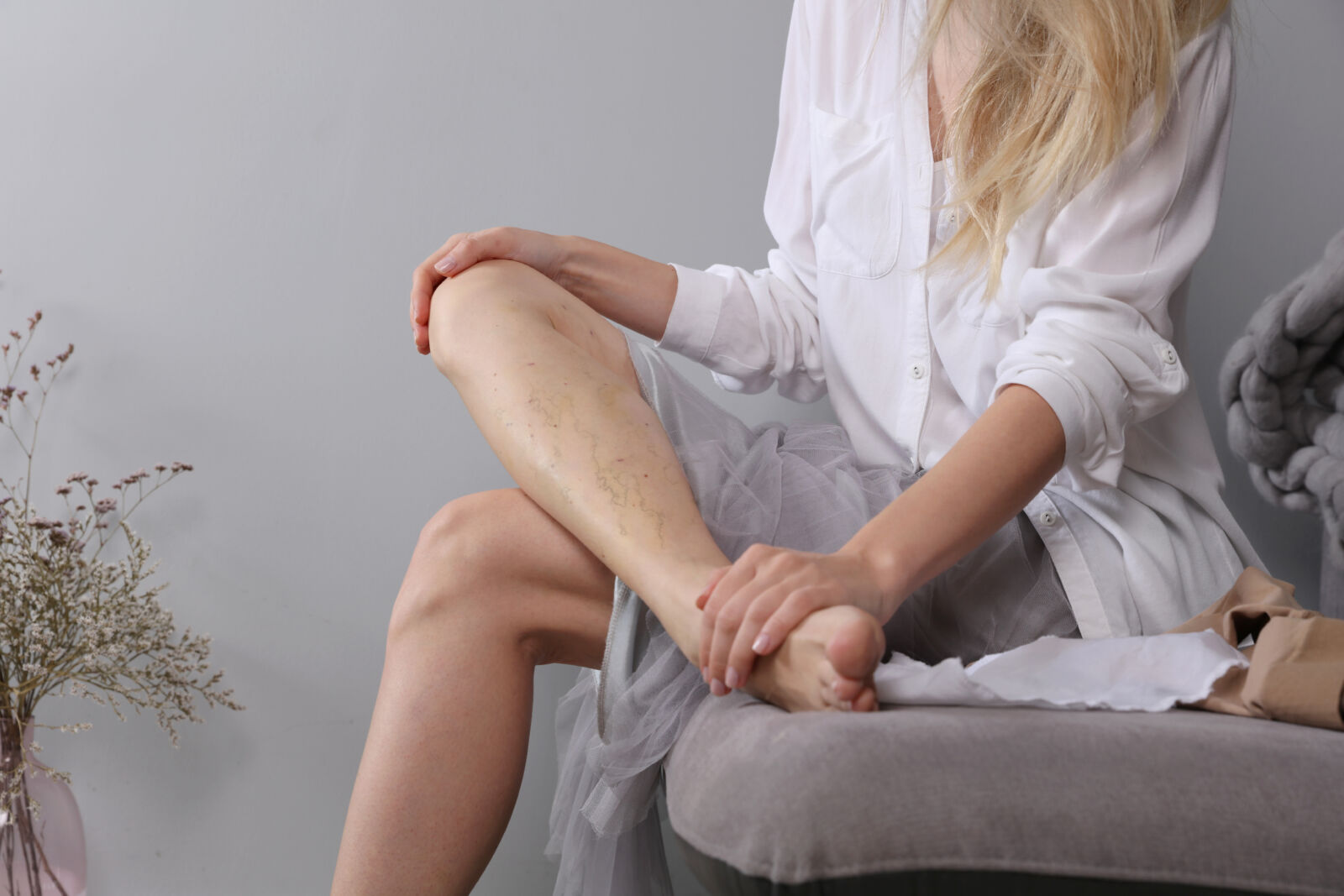
Spider veins are more than just a cosmetic concern: they can affect self-esteem and overall confidence. Visiting a specialized vein clinic can help individuals understand what causes these intricate web-like formations and guide them to appropriate treatment options. Fortunately, advances in medical technology offer effective solutions for those seeking smooth, clear legs. This article explores these treatments, alongside helpful lifestyle adjustments that can enhance results and prevent recurrences.
Understanding Spider Veins: Causes and Symptoms
Spider veins are tiny, dilated blood vessels that appear near the surface of the skin, often resembling a web or tree-like branches. Commonly found on the legs and face, these veins are typically red, blue, or purple and can be a source of embarrassment for many, which is why a vein treatment clinic in New York can help.
Causes of Spider Veins
Several factors contribute to the formation of spider veins. Genetic predisposition plays a significant role: if one or both parents had spider veins, there’s a higher likelihood of developing them. Other contributing factors include:
- Hormonal Changes: Fluctuations in hormones during pregnancy, menstruation, or menopause can weaken vein walls, leading to spider veins.
- Sun Exposure: Prolonged sun exposure may weaken collagen and elastin, causing the skin to lose its firmness and allowing veins to become more visible.
- Obesity: Excessive weight increases pressure on the veins, making them more likely to bulge and form spider veins.
- Age: As the body ages, veins lose elasticity, contributing further to the appearance of spider veins.
- Prolonged Standing or Sitting: Occupations or lifestyles that require extended periods of standing or sitting can hinder blood flow, increasing the risk of spider vein formation.
Overview of Treatment Options
Fortunately, several advanced treatment options are available for spider veins, each designed to target the issue effectively.
Laser Therapy: An Effective Solution
Laser therapy has gained popularity due to its precision and effectiveness. This treatment uses concentrated light beams to target and seal off problem veins without damaging surrounding tissue. The procedure is quick, often requiring only a few sessions to achieve desired results. Most patients experience minimal discomfort, and the recovery time is usually swift.
Sclerotherapy: What You Need to Know
Sclerotherapy is another established treatment for spider veins. During this procedure, a sclerosant solution is injected directly into the affected veins, causing them to collapse and eventually fade away. This treatment is highly regarded for its effectiveness and is typically well-tolerated by patients. While results are often visible soon after treatment, optimal outcomes may take several weeks as the body gradually absorbs the treated veins.
Lifestyle Changes to Enhance Treatment Outcomes
Plus to professional treatments, making certain lifestyle changes can significantly improve results and speed recovery.
- Regular Exercise: Engaging in regular physical activity, especially activities that promote leg circulation like walking or swimming, can bolster treatment effectiveness and help maintain healthy veins.
- Healthy Diet: A diet rich in fiber, antioxidants, and hydration supports overall vascular health. Foods such as leafy greens, berries, and whole grains can promote good circulation and strengthen blood vessel integrity.
- Compression Garments: Wearing compression stockings can enhance venous return and decrease the buildup of blood in the legs, an especially advised practice during recovery.
Preventing the Return of Spider Veins
Once spider veins have been treated, implementing preventive measures is crucial to avoid their return. This includes:
- Weight Management: Maintaining a healthy weight can alleviate excess pressure on the veins.
- Active Lifestyle Choices: Integrating daily activities and exercises that promote leg movement will help prevent stagnation in blood flow.
- Avoiding Long Periods of Inactivity: Taking breaks to walk or stretch when sitting for extended hours can minimize the risk of new spider veins forming.
- Protecting Skin from the Sun: Using sunscreen and wearing protective clothing can help to safeguard skin health and reduce the risk of sun-induced weakening of veins.
Conclusion
Advanced spider vein treatments provide individuals with the opportunity to regain confidence and enjoy smooth, clear legs. By understanding the causes of spider veins and exploring effective treatment options like laser therapy and sclerotherapy, along with implementing lifestyle adjustments, individuals can enhance treatment outcomes and minimize the likelihood of recurrences. Seeking advice from a trained medical professional ensures the best personalized treatment plan, leading to optimal results.