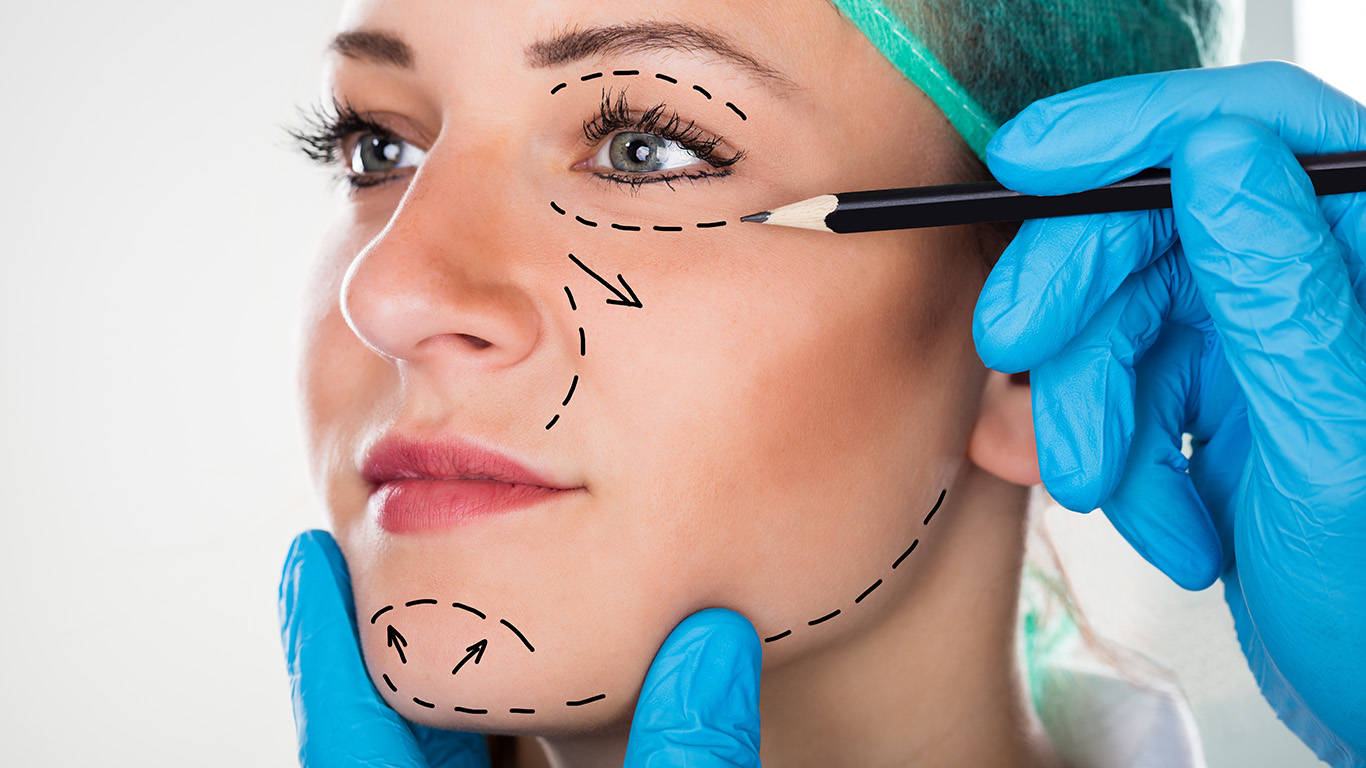
I’ve been writing in this field for eleven years. Sat in on a lot of consultations. And the thing that predicts a happy patient isn’t the surgeon’s name on the door — it’s whether that person could describe what bothered them before they named a procedure.
They can’t, usually. They arrive having diagnosed themselves off Instagram. They want a specific operation and they want it by name, and maybe half the time it’s the wrong tool. The woman convinced she needs a facelift has lost volume, and fat grafting would serve her better. The man unhappy with his nose is actually looking at a chin that sits too far back, throwing the whole profile off. Describe what you see and dislike. Let the surgeon reason backwards. If they agree with your self-diagnosis straight away, without poking at any alternatives, you’ve just learned something useful about how that office runs.
Check the Credentials. It Takes a Minute.
Royal College certification in Plastic Surgery. That’s the one in Canada, and the register’s public. “Cosmetic surgeon” is a phrase anyone can print on a business card.
A family doctor can do a short course and start injecting, and some of them run better websites than the properly trained people do. Hospital privileges are the other filter worth checking, quietly, because a hospital vets surgeons in ways a private clinic has no obligation to bother with. Before you look at a single before-and-after on any plastic surgery clinic site, run the name through the register. Costs nothing. Rules out more candidates than you’d expect.
Know What Each Thing Can’t Do
Body work is where expectations come apart.
Fat removal isn’t weight loss. Never was, never will be. The liposuction Toronto patients ask about most does its best work on stubborn pockets in someone already near a stable weight, and it does absolutely nothing for loose skin. If the elasticity’s gone, taking the fat out from underneath often leaves things looking worse than when you started — which is why a decent surgeon will sometimes point you toward a tummy tuck instead and walk away from the easier sale.
Above the neck, same principle. Botox softens lines that movement makes. It will not touch sun damage, texture, or pigment. That’s resurfacing territory, or lasers. Match the treatment to the actual problem in the tissue and you’ve solved most of this.
DEEPER DIVE: Here are Arizona’s Most Admired Companies of 2026
The Consultation Is an Interview. You’re Conducting It.
Write your questions down beforehand and don’t let anyone charm you out of asking them.
How many of these do you do a year? What’s your complication rate? If I’m the complication, who answers the phone at two in the morning on a Saturday? Is a revision covered, and under what exact circumstances? Someone with genuine volume behind them answers flatly, no defensiveness, because they’ve had this conversation several hundred times.
A discount that expires today. Vague breezy reassurance about recovery. A consultant doing the talking while the surgeon appears for four minutes at the end. Any of those and I’d leave. Also: ask to see photographs of people who started roughly where you’re starting. Not the three best results in the folder.
Nobody Budgets for the Recovery
Everyone budgets for the surgery. The fortnight afterward catches people out every time.
Sort childcare. Book more time off than you think you need, then add a few days. Line up someone to drive you. Swelling after body work takes three to six months to properly settle, which means whatever you’re staring at in the mirror at week two isn’t the result — it just feels like it is at the time.
Wear the compression garment. All of it, as long as they say. Follow the dull instructions precisely. Nearly every disappointing outcome I’ve come across traces back to someone who felt fine on day ten and went back to the gym.