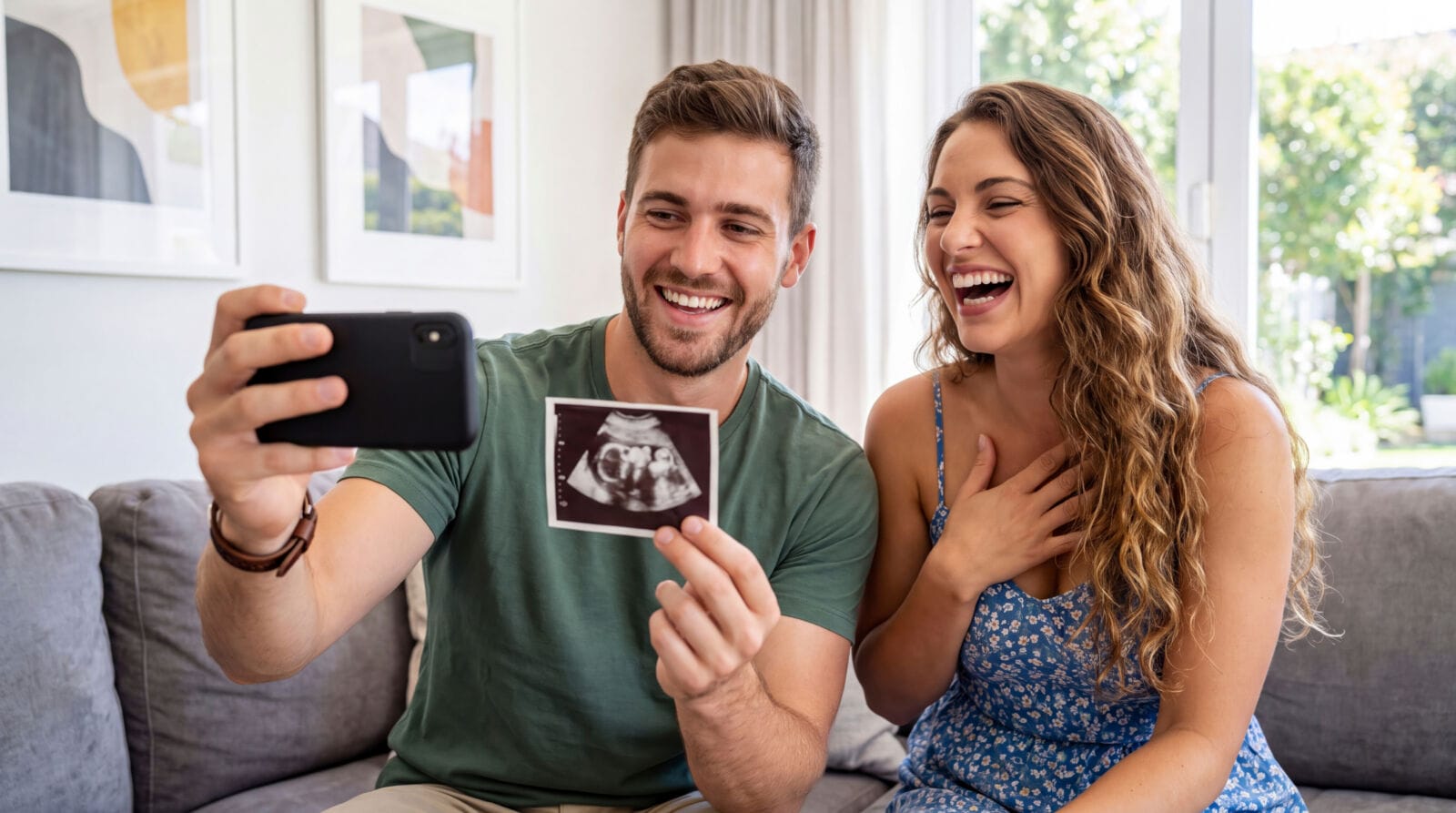
If you are researching IVF in Ukraine cost, you probably want to know more than the number on a treatment page. You want to know what actually happens after you decide to use donor eggs. Who chooses the donor? When are the eggs retrieved? How are embryos created? And when can you expect an embryo transfer?
For intended parents considering egg donation in Ukraine, understanding the sequence can make the process feel much less complicated. Here is what the journey with the Embryon Family can look like.
How the Egg Donation Journey Works, Step by Step:
Step 1: Start With a Medical Consultation
The first stage of planning IVF in Ukraine is understanding your individual treatment needs. Your medical history, previous fertility treatment, test results, and reproductive goals are reviewed to determine whether donor eggs are appropriate.
This is also when you can ask about donor options, treatment timing, embryo transfer, and what your quotation includes.
Step 2: Review the Egg Donor Profiles
Once donor eggs are recommended, you can begin reviewing available profiles from our ukrainian egg donor database. The Embryon Family’s database includes information such as physical characteristics, education, medical and reproductive history, and family and genetic background. The clinic currently offers both fresh and frozen donor oocytes.
The goal is not simply to find a donor who looks right. Medical suitability and screening matter just as much.
Step 3: Choose Your Egg Donor
Choosing a donor can feel very personal. You may have particular physical characteristics in mind, or you may place greater importance on medical history, education, or genetic background.
At the Embryon Family, once you select a donor, the donor confirmation process can begin. The clinic states that egg retrieval can happen within 30 days after a match is confirmed, although your individual timeline may vary.
Step 4: Donor Screening and Stimulation
Before retrieval, the donor undergoes medical evaluation and screening. The American Society for Reproductive Medicine (ASRM) — a U.S. professional body — recommends medical history review, physical examination, infectious-disease testing, genetic evaluation, and psychological counseling as part of donor assessment. Donor screening in Ukraine is governed by Ukraine’s own national regulations; ASRM guidance is referenced here for context, not as the applicable legal standard.
The donor then receives fertility medication to stimulate the ovaries, so multiple mature eggs can develop. The response is monitored before retrieval.
Step 5: Egg Retrieval
When the follicles are ready, the donor undergoes an egg retrieval procedure. The mature eggs are collected and prepared for fertilization.
This is an important point when comparing IVF in Ukraine cost. Ask whether donor screening, medication, retrieval, donor compensation, and laboratory services are included in your quoted program.
Step 6: Fertilization and Embryo Development
The retrieved eggs are fertilized with sperm to create embryos. The Embryon Family’s donor egg programs use IVF with ICSI, followed by embryo cultivation in the laboratory.
Not every retrieved egg will become an embryo, and not every embryo will develop into a blastocyst. This is a normal part of the process, not a sign that anything has gone wrong. The embryology team monitors development and determines which embryos are suitable for transfer or cryopreservation.
Step 7: Prepare for Embryo Transfer
While the embryos are developing, the recipient prepares the uterine lining for transfer. The Embryon Family currently estimates approximately two weeks for pre-transfer medical testing and two to three weeks for endometrial preparation.
This means the egg donation Ukraine timeline depends on both donor availability and the recipient’s preparation.
Step 8: Embryo Transfer and What Comes Next
Once the uterus is ready and an embryo is selected, the embryo is transferred. The procedure itself is brief, but the waiting period afterward can feel much longer.
Your fertility team will tell you when to take a pregnancy test and what follow-up is required.
Travel & Safety Considerations:
Before you begin: treatment traditionally takes place in Kyiv, and Ukraine remains affected by the ongoing war. Several governments currently advise against travel to Kyiv and other parts of the country. To help intended parents avoid this, The Embryon Family also offers arrangements through a partner clinic in a country near Ukraine’s border, so you do not need to travel into Kyiv or elsewhere in Ukraine to complete treatment. Please check your government’s latest travel advisory before planning any trip, and speak with The Embryon Family about current logistics, location options, and safety arrangements.
How Much Does IVF With Donor Eggs Cost in Ukraine?
The IVF in Ukraine cost depends on the program and what it includes. The Embryon Family currently lists donor egg plans that vary according to the number of oocytes and embryo transfers, with additional services such as PGT available separately.
When comparing IVF in Ukraine cost, ask whether donor matching, screening, medication, retrieval, fertilization, embryo culture, transfer, and cryopreservation are included.
What Should You Expect From the Journey?
The most useful way to think about IVF in Ukraine is not as a single number, but as part of a complete treatment pathway. You are moving through several carefully coordinated stages, from donor selection and screening to embryo creation and transfer.
If you are considering egg donation in Ukraine, ask the practical questions early: Who will guide me? What is included? What happens if I need another transfer? How long should each stage take?
At the Embryon Family, understanding those answers before treatment begins can help you approach the journey with greater clarity and confidence. And that is often much more useful than knowing a price alone.
Disclaimer: This article is for informational purposes only and does not constitute medical advice. Treatment suitability, risks, and expected outcomes vary by individual and should be discussed directly with a qualified fertility specialist.