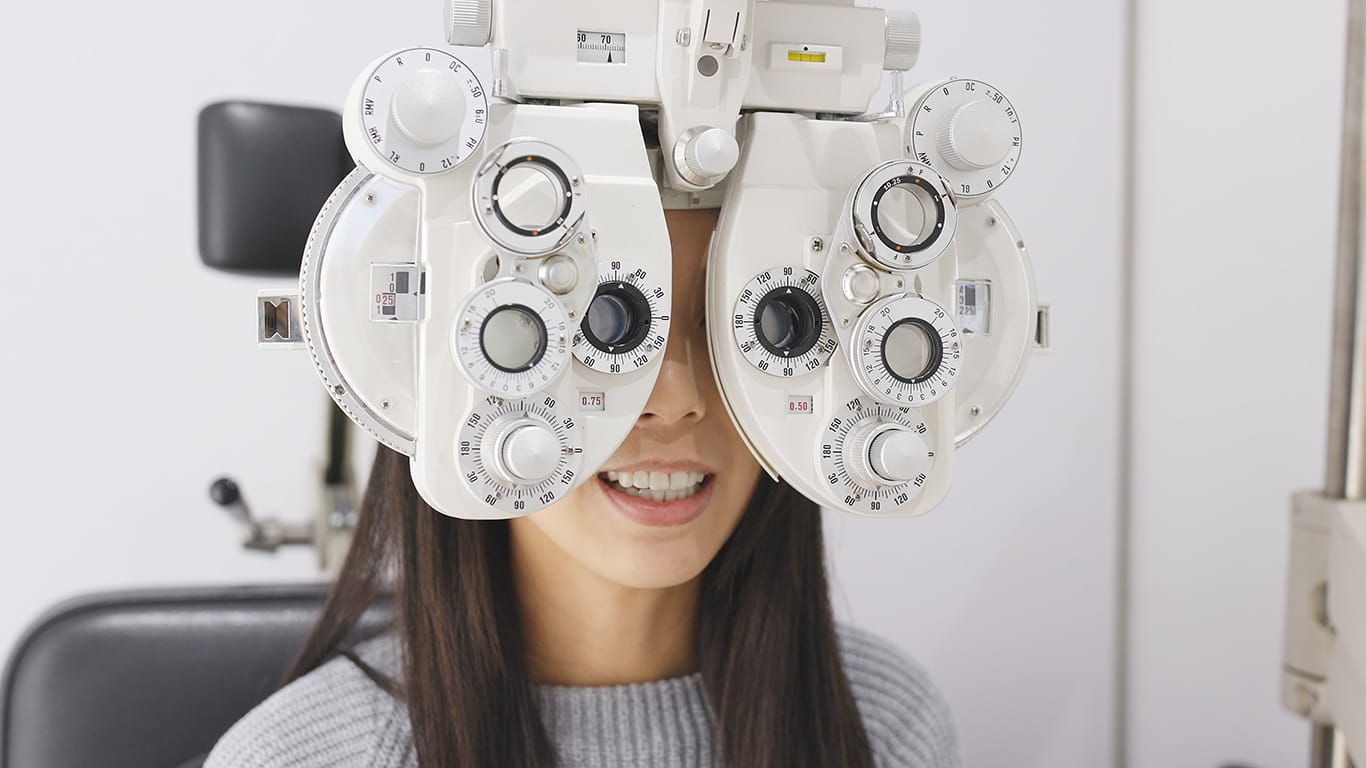
Upgrading diagnostic equipment can be one of the biggest investments an eye clinic makes. New technology may promise faster testing, greater accuracy, and a smoother patient experience, but that does not necessarily mean every new device is the right fit for every practice.
Before committing to an upgrade, clinics need to look beyond the headline features and consider how new equipment will actually fit into their day-to-day operations, clinical goals, and long-term plans.
Start With Your Clinical Needs
The first question should be simple: what problem are you trying to solve?
Perhaps your current equipment is becoming unreliable, testing takes too long, or your clinic is expanding into new services. In other cases, an upgrade may be driven by a desire to improve diagnostic confidence or provide more comprehensive care.
Understanding the reason behind the purchase helps prevent clinics from investing in technology simply because it is newer. A highly advanced device is only worthwhile if its features support the procedures and patient needs you regularly encounter.
Look Closely at Accuracy and Repeatability
Diagnostic technology needs to produce results clinicians can trust. Accuracy is obviously important, but repeatability matters too. Measurements should remain consistent when tests are repeated under similar conditions.
This is particularly relevant for clinics carrying out cataract assessments and surgical planning. When comparing optical biometry devices, for example, practices may want to consider not only measurement capabilities but also how each system supports existing cataract workflows.
Product demonstrations and clinical data can help teams understand how different systems perform before making a final decision.
Consider Workflow, Not Just Features
A device can be clinically impressive and still create operational headaches.
Think about how easily equipment can be incorporated into your existing patient journey. Does it reduce the number of steps staff need to complete? Can results be reviewed quickly? Does information transfer easily into other systems used by the clinic?
Even relatively small workflow improvements can add up over hundreds or thousands of appointments each year. Conversely, technology that requires constant manual intervention could slow down the very processes it was purchased to improve.
Factor in Staff Training
New equipment is only useful when staff feel confident using it.
Ask what training is included in the purchase and whether ongoing support is available. Clinics should also consider how long it may take for technicians, optometrists, and ophthalmologists to become comfortable with the system.
An intuitive interface can make adoption significantly easier, particularly in busy clinics where lengthy training periods are difficult to accommodate.
Think Beyond the Purchase Price
Cost should be considered over the entire lifespan of the device rather than focusing solely on the initial price.
Maintenance contracts, software updates, consumables, servicing, and potential repairs can all affect the true cost of ownership. It is also worth asking about expected equipment lifespan and whether future software or hardware upgrades will be available.
Plan for the Future
Finally, think about where your clinic is heading.
A smaller practice expecting significant growth may benefit from equipment that can handle higher patient volumes or additional diagnostic applications later. Choosing technology with some room to grow can reduce the likelihood of needing another major upgrade sooner than expected.
The best diagnostic equipment investment is not necessarily the newest or most expensive option. It is the one that improves clinical decision-making, fits naturally into existing workflows, and continues supporting the clinic as its needs evolve.