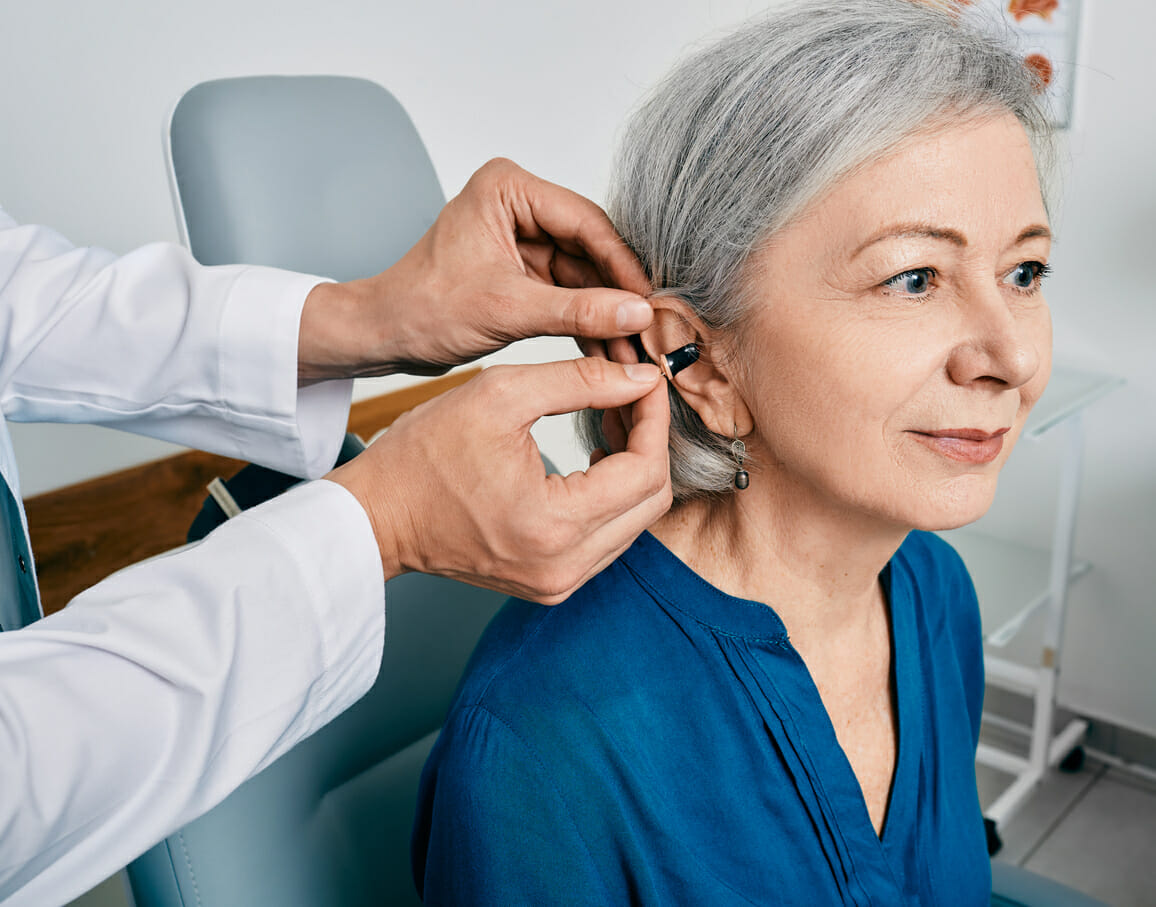
Hearing health often sits quietly in the background of healthcare conversations. Vision gets checked. Blood pressure gets monitored. Cholesterol numbers are discussed in detail. Hearing, however, is frequently treated as optional until a problem becomes impossible to ignore. That delay matters more than most people realize.
Hearing is not only about the ears. It is closely tied to how the brain processes information, how people stay socially connected, and how safely they move through daily life. When hearing changes go unaddressed, the effects can ripple into emotional wellbeing, cognitive health, and overall quality of life.
Understanding how hearing fits into the larger healthcare picture helps people make earlier and more confident decisions. It also reframes hearing care as a proactive step, not a reactive one.
Why Hearing Health Deserves a Place in Preventive Care
Preventive care focuses on identifying changes early, before they lead to larger health challenges. Hearing belongs squarely in this category.
Age related hearing changes often develop gradually. Because the brain adapts, many people are unaware of the shift until communication becomes strained. Missed words turn into misunderstandings. Conversations in noisy rooms become exhausting. Social activities feel less enjoyable.
Research increasingly links untreated hearing loss with broader health concerns. A large scale study from Johns Hopkins Medicine found that hearing loss is associated with an increased risk of cognitive decline and dementia, with risk rising alongside the severity of hearing loss. You can explore this research in detail here
https://www.hopkinsmedicine.org/news/articles/hearing-loss-and-dementia
This connection does not mean hearing loss causes dementia. It highlights how sensory input supports brain health. When the brain works harder to decode sound, fewer resources remain for memory and thinking.
Preventive hearing checks help identify changes early, when interventions are often simpler and more effective.
Hearing and Communication Across the Lifespan
Hearing supports communication at every stage of life, but its role becomes especially important as people age.
Clear hearing allows for natural conversation flow. Tone, emotion, and subtle cues all depend on sound clarity. When hearing is reduced, people may withdraw from conversations not because they want to, but because listening feels tiring or frustrating.
This withdrawal can slowly lead to social isolation. Studies from the National Institute on Aging highlight that social isolation is linked with increased risks of depression, anxiety, and cognitive decline. More information on social isolation and aging can be found here
https://www.nia.nih.gov/health/social-isolation-and-loneliness-older-people
By supporting hearing health, individuals support their ability to stay connected with family, friends, and community.
The Brain Hearing Connection
Hearing is not a passive sense. The ears collect sound, but the brain does the real work.
Every sound must be filtered, prioritized, and interpreted. Background noise is suppressed while speech is amplified. Familiar voices are recognized. Meaning is extracted in real time.
When hearing input is reduced, the brain receives less clear information. Over time, this can change how the brain allocates resources. Neuroplasticity means the brain adapts, but not always in ways that serve long term cognitive health.
Supporting hearing health helps keep these auditory pathways active and engaged. This is one reason hearing care is increasingly viewed as part of brain health rather than a standalone service.
When to Pay Attention to Subtle Signs
Many people expect hearing loss to be obvious. In reality, the early signs are often subtle and easy to dismiss.
Common indicators include:
- Frequently asking others to repeat themselves
- Difficulty following conversations in groups
- Turning up the television volume higher than others prefer
- Feeling mentally drained after social interactions
- Trouble hearing children or higher pitched voices
These signs do not always mean hearing loss, but they do signal that a hearing evaluation could be helpful.
Seeking guidance from a qualified provider, such as a local hearing clinic in Waterloo, can clarify what is happening and provide peace of mind. A professional assessment offers objective insight that self testing cannot replace.
Hearing Care as Part of Holistic Health Management
Healthcare works best when it is integrated. Hearing should be considered alongside vision, mobility, mental health, and chronic condition management.
For individuals managing diabetes or cardiovascular disease, hearing health becomes even more relevant. Vascular health influences blood flow to the inner ear. Some medications can also affect hearing. Coordinated care ensures these factors are considered together rather than in isolation.
Caregivers and family members also play an important role. Often, loved ones notice changes before the individual does. Open and supportive conversations help reduce stigma and encourage timely action.
Technology and Modern Hearing Solutions
Hearing care today looks very different than it did even a decade ago. Modern hearing technology focuses on comfort, clarity, and adaptability.
Advancements include:
- Improved speech processing in noisy environments
- Wireless connectivity with phones and televisions
- Rechargeable batteries for easier daily use
- Custom fitting based on individual hearing profiles
Technology alone is not the solution. Proper assessment, fitting, and follow up care are what make these tools effective. Education and ongoing support ensure that devices are used comfortably and consistently.
Emotional Wellbeing and Hearing Health
Hearing changes can affect confidence and self identity. Some people feel embarrassed asking for repetition or worry about appearing inattentive. Over time, this can affect self esteem.
Addressing hearing health often brings emotional relief. Many people report feeling more present, more engaged, and less fatigued once communication becomes easier.
This emotional benefit extends beyond the individual. Relationships improve when conversations flow naturally again. Misunderstandings decrease. Shared moments feel richer.
Taking the First Step Without Pressure
One of the most important messages in hearing healthcare is that an evaluation does not commit anyone to treatment. It is simply an information gathering step.
Knowing where hearing stands allows people to make informed decisions at their own pace. Some may benefit from monitoring changes over time. Others may explore strategies to support listening in challenging environments. Some may choose technology.
The key is empowerment through knowledge rather than waiting for frustration to drive action.
A Broader View of Healthy Aging
Healthy aging is about maintaining independence, connection, and quality of life. Hearing plays a meaningful role in all three.
By treating hearing health as part of routine care rather than an afterthought, individuals support not only their ears but their minds, relationships, and overall wellbeing.
Healthcare works best when it addresses the whole person. Hearing deserves its place in that conversation.