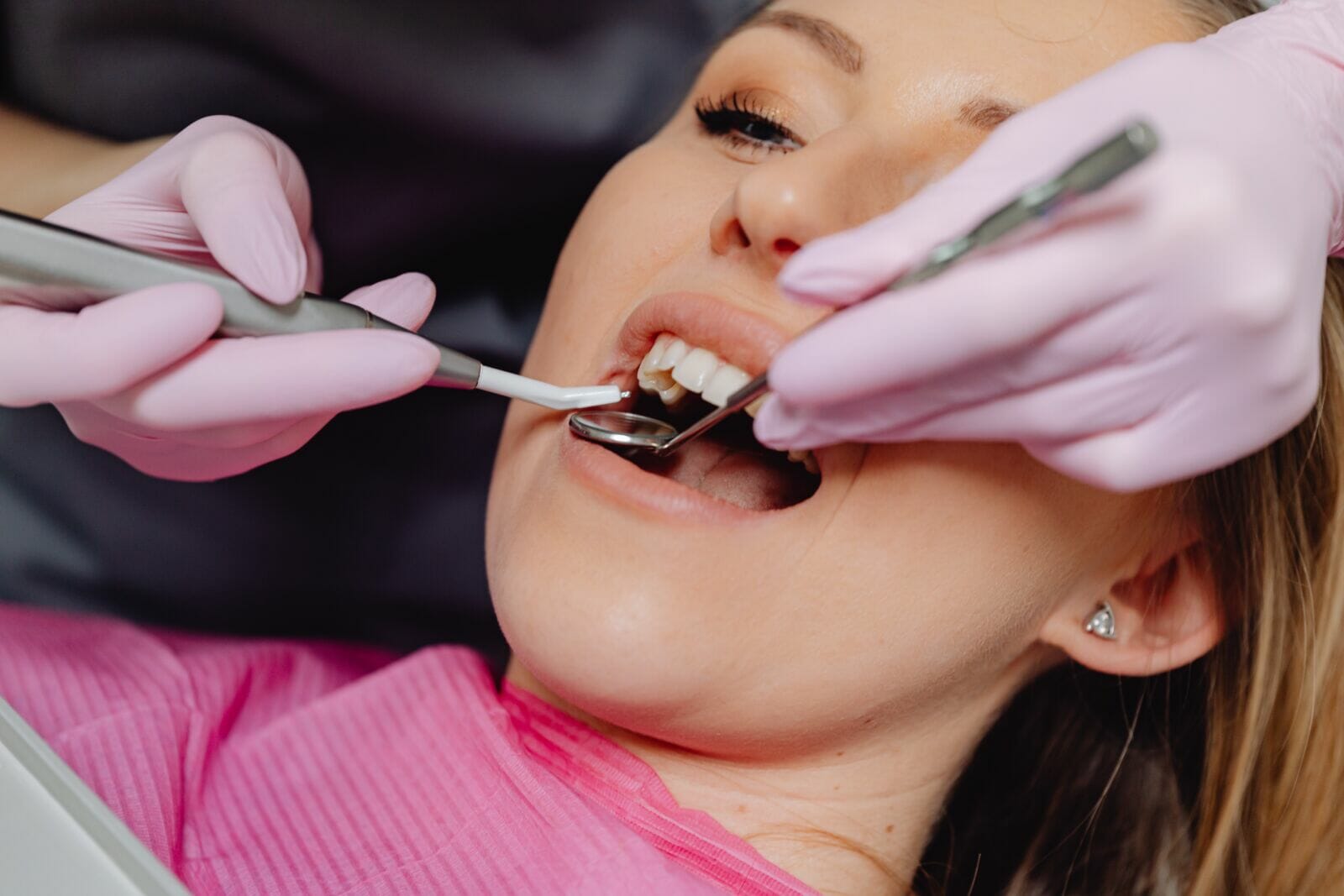
Clear communication is a fundamental part of our daily lives, and the ability to speak distinctly often depends on more than just language skills. The intricate process of forming words, known as articulation, involves a precise coordination of the tongue, lips, and teeth. When dental problems arise, they can disrupt this delicate balance, leading to noticeable changes in speech patterns.
Many people are unaware of the direct link between their oral health and their ability to communicate effectively. Understanding how certain dental conditions affect speech is the first step toward identifying the root cause of an issue and finding a proper solution. This article explores the common dental problems that can impact speech and what you can do about them.
The Role of Teeth in Articulation
Your teeth serve as a crucial barrier and point of contact for the tongue and lips to produce specific sounds. They help control airflow and allow for the precise movements needed to form consonants. For example, sounds like “th” (as in “think”) require the tongue to touch the back of the upper front teeth. Sibilant sounds, such as “s” and “z,” are created by directing a stream of air over the sharp edges of the teeth.
When the structure of the teeth is compromised, this entire system can be thrown off, making it difficult to produce these sounds correctly.
MORE NEWS: Phoenix bucket list: 25 things you must do
INDUSTRY INSIGHTS: Want more news like this? Get our free newsletter here
Misaligned Teeth and Malocclusion
One of the most common culprits behind speech difficulties is tooth misalignment, also known as malocclusion. Conditions like overbites, underbites, crossbites, and open bites alter the natural resting position of the jaw and the relationship between the upper and lower teeth.
This misalignment can lead to:
- Lisps: An open bite, where the front teeth don’t meet, can cause the tongue to push forward, resulting in a lisp when making “s” or “z” sounds.
- Whistling: Gaps or crowding can cause air to escape improperly during speech, creating a whistling sound.
- Slurring: When teeth are not aligned correctly, the tongue may not have enough space to move freely, causing slurred or muffled speech.
Orthodontic treatments can often correct these alignment issues, which may in turn improve speech clarity.
Gaps from Missing Teeth
Losing one or more teeth creates significant gaps that directly affect speech. The absence of teeth removes the physical structure that the tongue uses to form certain sounds. A person with missing front teeth may find it challenging to pronounce letters like “f,” “v,” “s,” and “th.”
The impact of missing teeth is not just limited to individual sounds. A significant gap can alter the overall resonance and flow of speech, making it sound less distinct. Solutions for missing teeth range from bridges and partial dentures to more permanent options. For those missing many teeth in an arch, a procedure like getting full arch dental implants in New Market, VA or a similar solution locally can restore the structure needed for clear articulation.
Dentures and Other Dental Appliances
While dentures are designed to replace missing teeth and restore function, they can also introduce new speech challenges, especially during the initial adjustment period. Ill-fitting or loose dentures can slip while talking, causing clicking noises, slurring, or mumbling.
It takes time for the tongue and facial muscles to adapt to the presence of a new dental appliance. Practicing speaking by reading aloud can help speed up this adjustment process. If speech problems persist, it may be a sign that the dentures need to be refitted or adjusted by a dental professional to ensure they are stable and comfortable.
When to Seek Professional Help
If you notice a change in your speech or that of a loved one, it is important to consider the potential underlying causes. While some speech impediments are developmental, new issues that appear in adulthood often have a physical origin, and dental problems are a common factor.
Start by scheduling an appointment with your dentist. A thorough oral examination can identify any issues like misaligned teeth, significant gaps, or gum disease that could be contributing to the problem. Your dentist can recommend appropriate treatments, whether it’s orthodontics, restorative work, or adjusting an existing dental appliance. In some cases, they may also suggest consulting with a speech-language pathologist who can provide targeted exercises to help retrain your tongue and lips.
Addressing dental issues is not just about maintaining a healthy smile; it’s about preserving your overall quality of life, including your ability to communicate with confidence.