Understanding how good faith exams work is one of the most important parts of running a med spa. A Good Faith Exam (GFE) is the medical evaluation that confirms a patient is a safe candidate for treatments like Botox, dermal fillers, chemical peels, or laser services. Without it, a practice is providing medical care without a proper medical basis.
For med spa owners, the GFE is more than paperwork. It is the clinical foundation of every aesthetic treatment. This guide explains what the exam is, who can perform it, how each step works, and how telehealth has changed the process.
What Is a Good Faith Exam?
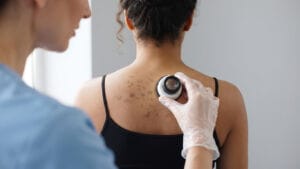
A Good Faith Exam is an assessment a licensed healthcare provider performs before a patient receives a medical aesthetic treatment. The provider reviews the patient’s health history, discusses their goals, and decides whether the treatment is appropriate.
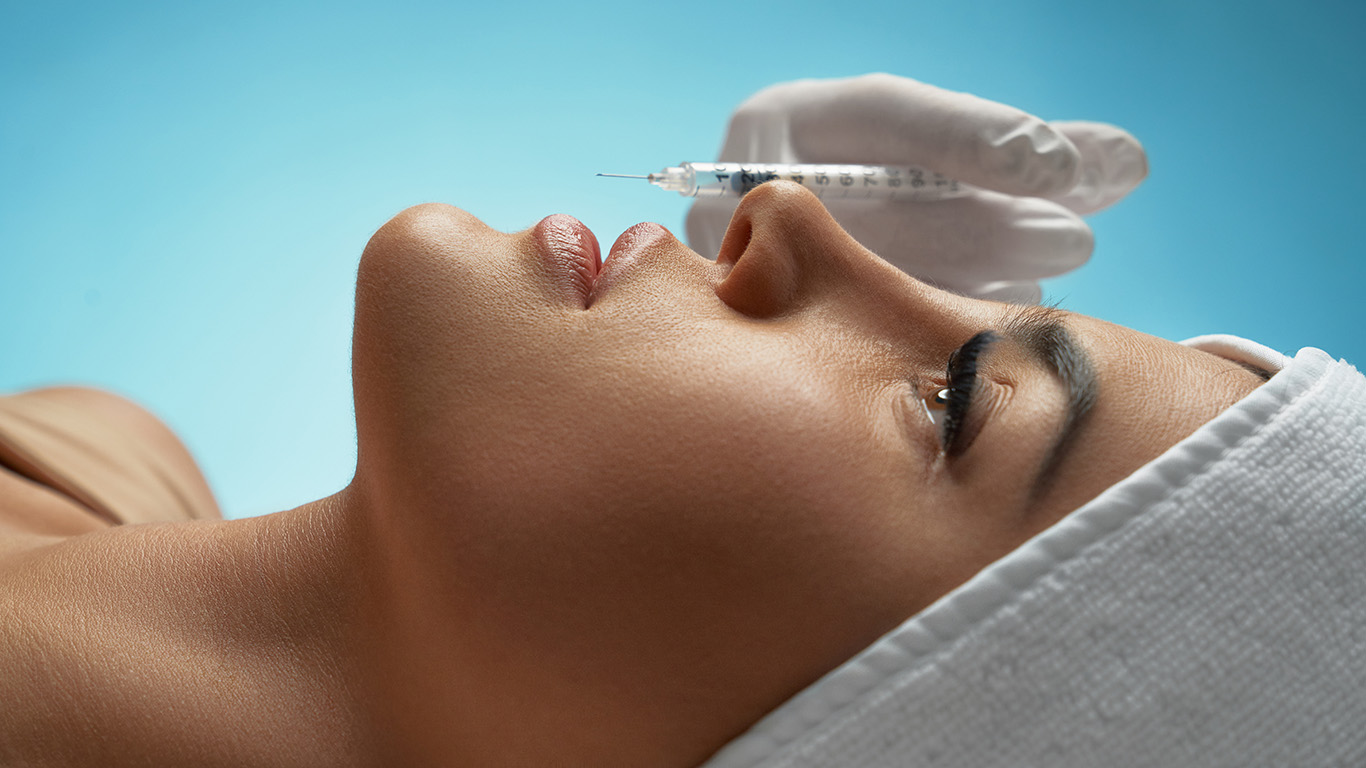
Many aesthetic services involve prescription products or devices. Botox and dermal fillers, for example, are prescription treatments regulated by the FDA. That means a qualified provider must establish a legitimate medical relationship with the patient before treatment begins.
The stakes keep growing. According to the American Society of Plastic Surgeons, neuromodulator injections topped 9 million procedures in the U.S. in 2023, making them the most popular minimally invasive treatment. Each procedure depends on a proper clinical evaluation.
Who Can Perform a Good Faith Exam?
The answer depends on state law, but a GFE is typically performed by:
- Physicians (MD or DO), who can perform exams in every state
- Nurse practitioners (NPs), who are permitted in many states, sometimes with physician collaboration
- Physician assistants (PAs), who can usually perform exams under physician supervision or collaboration
Registered nurses and aestheticians generally cannot perform a GFE. They may administer treatments once a qualified provider has cleared the patient and issued an order, depending on state rules.
What Are the Rules of a GFE?
There is no single national rulebook for Good Faith Exams. Each state’s medical and nursing boards set their own requirements. Still, most states share several common principles.
- An exam must come before treatment. A patient should never receive a prescription aesthetic treatment before clearance.
- Only licensed providers can clear patients. The examiner must hold a license that permits diagnosis and prescribing in that state.
- The provider must be licensed where the patient is located. This matters especially for telehealth exams.
- Documentation is mandatory. The exam, findings, and treatment plan must be recorded in the patient’s medical file.
- Exams must be updated. Many practices renew the GFE annually or whenever a patient’s health, medications, or treatment plan changes.
- Informed consent must be obtained. Patients should understand the risks, benefits, and alternatives before agreeing to treatment.
Because rules vary, med spa owners should review their state board guidelines regularly and work closely with their medical director.
How Good Faith Exams Work: Step by Step
A strong GFE follows a consistent process. Here is how it typically unfolds.
Step 1: Patient Intake
The process begins when the patient completes intake forms. These collect personal details, contact information, treatment interests, and consent to evaluation. Digital intake forms help reduce errors and give the provider information before the exam starts.
Step 2: Medical History Review
Next, the provider reviews the patient’s health background. This includes current medications, allergies, past cosmetic procedures, chronic conditions, pregnancy status, and any history of adverse reactions.
For example, a patient taking blood thinners may face a higher bruising risk with fillers. A patient with a neuromuscular disorder may not be a safe candidate for neuromodulators at all.
Step 3: Provider Evaluation
The provider then speaks directly with the patient. They discuss treatment goals, set realistic expectations, and assess the treatment area. This conversation is where clinical judgment matters most.
Step 4: Identifying Contraindications
A contraindication is any condition that makes a treatment unsafe or inadvisable. Common examples include active skin infections, pregnancy or breastfeeding, certain autoimmune conditions, and known allergies to treatment ingredients.
Step 5: Treatment Clearance
If the patient is a suitable candidate, the provider approves the treatment and documents any specific instructions. If not, the provider may recommend an alternative, delay treatment, or refer the patient to a specialist.
The Telemedicine Good Faith Exam Process
Telehealth has changed how many practices handle GFEs. In a telemedicine good faith exam process, a licensed provider evaluates the patient through a secure video platform instead of in person.
The conclusion goes back to its original wording, without a link:
Practices that treat the GFE as a genuine clinical conversation, rather than a box to check, tend to build deeper patient trust over time. The real question for every owner is simple: if a state board reviewed your patient files tomorrow, would your exam process tell the story of a practice that puts safety first?
Benefits of an Online GFE
An online GFE offers several practical advantages for aesthetic practices:
- Faster access to licensed providers, even in rural areas
- Fewer scheduling delays and same-day treatment availability
- Digital records that are easier to store, retrieve, and audit
- Coverage during evenings and weekends when on-site providers are unavailable
Consider a small med spa in a rural town with no full-time nurse practitioner. Before telehealth, patients might wait days for an on-site provider. With a remote exam, the patient can be evaluated and cleared during the same visit.
Limitations of Telehealth Exams
Telehealth is not perfect. Owners should keep these limitations in mind:
- Some states place restrictions on telehealth for certain treatments
- Visual assessment can be limited by camera quality or lighting
- Providers must be licensed in the patient’s state
- Platforms must meet HIPAA security standards to protect patient data
Why Documentation Protects Your Practice
Accurate records are your strongest defense during an audit, complaint, or legal claim. If an adverse event occurs, documentation shows that a qualified provider evaluated the patient and approved the treatment.
This matters in a crowded industry. The American Med Spa Association reports that the U.S. has more than 10,000 med spas, with industry revenue exceeding $17 billion. As the sector grows, regulators and state boards are paying closer attention to how practices handle medical oversight.
Good GFE records should include the provider’s name and credentials, the date and method of the exam, the patient’s history, identified risks, the approved treatment plan, and signed consent.
Common GFE Compliance Mistakes
Even well-run practices can slip into risky habits. Watch for these common mistakes:
- Skipping exams for returning patients. Health changes over time, so exams need regular updates.
- Keeping incomplete records. Missing signatures or vague notes weaken your legal protection.
- Letting unqualified staff clear patients. Only licensed providers should approve treatment.
- Ignoring state-specific rules. What works in one state may violate rules in another.
- Treating the GFE as a formality. A rushed exam defeats the purpose of patient safety.
Practical Steps to Build a Strong GFE Process
- Create a standard intake and exam protocol for every patient
- Schedule regular GFE renewals and flag changes in health history
- Use secure, HIPAA-compliant systems for storing records
- Review state board requirements at least once a year
- Train staff so everyone understands their role in the process
Key Insights
- A GFE is the medical foundation of every aesthetic treatment
- Rules vary by state, so local compliance knowledge is essential
- Telehealth makes exams faster without changing clinical standards
- Consistent documentation reduces liability and builds patient trust
Conclusion
Knowing how good faith exams work gives med spa owners a clear framework for safe, compliant care. Every step, from intake to clearance, exists to protect both the patient and the practice. Telehealth has made the process more accessible, but the core principles of careful evaluation and proper documentation remain unchanged.
Practices that treat the GFE as a genuine clinical conversation, rather than a box to check, tend to build deeper patient trust over time. The real question for every owner is simple: if a state board reviewed your patient files tomorrow, would your exam process tell the story of a practice that puts safety first?