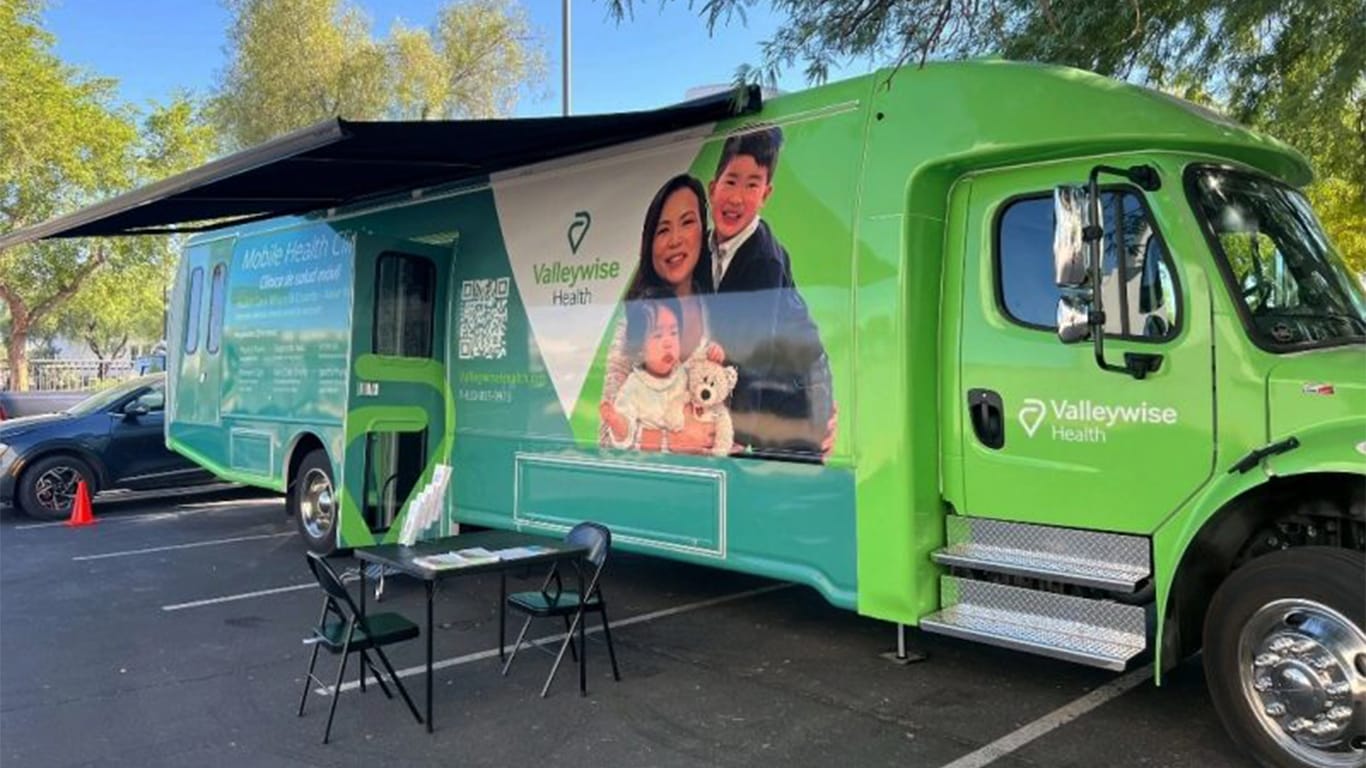
Healthcare is no longer confined to large hospital buildings or permanent medical centers. Around the world, systems are adapting to growing populations, geographic challenges, and uneven access to care. One of the most effective responses to these challenges has been the rise of mobile clinics—self-contained medical units designed to bring healthcare directly to people rather than requiring people to travel long distances for treatment.
These mobile solutions are not simply vehicles with basic equipment. They represent a sophisticated blend of engineering, design, and medical functionality. Behind every successful mobile clinic lies a carefully fabricated structure that supports healthcare professionals in delivering safe, efficient, and high-quality services in virtually any environment.
The Growing Importance of Mobile Clinics in Modern Healthcare
Mobile clinics are playing an increasingly vital role in bridging healthcare gaps, especially in underserved and remote areas. From routine checkups and vaccinations to diagnostic services and chronic disease management, these units provide essential care where traditional infrastructure is limited or unavailable.
In densely populated cities, mobile clinics serve a different yet equally important purpose. They help reduce patient overload in hospitals by offering localized services within communities. This targeted approach allows providers to focus on specific health concerns while improving overall system efficiency.
A deeper look at how these clinics are transforming access to care can be found in mobile clinics improving healthcare access in underserved communities , highlighting their real-world impact.
Engineering Mobile Clinics for Real-World Performance
Structural Strength and Reliability
Mobile clinics must operate in a wide range of conditions—from smooth urban roads to rugged rural terrain. This requires a durable structural design capable of handling constant movement without compromising the integrity of sensitive medical equipment.
Engineers carefully plan load distribution, suspension systems, and material selection to ensure long-term reliability. The goal is to create a stable clinical environment where healthcare professionals can work with confidence, regardless of location.
Maximizing Limited Space
Space constraints present one of the biggest design challenges. Every inch inside a mobile clinic must be optimized to support medical workflows while maintaining patient comfort and safety.
This involves strategic placement of equipment, efficient storage solutions, and well-defined patient areas. Designers collaborate closely with healthcare providers to ensure that the layout supports real-world usage, allowing for smooth operations even in compact environments.
The Role of Industrial Fabrication in Mobile Medical Units
At the core of every high-functioning mobile clinic is advanced fabrication. These units are not assembled like ordinary vehicles—they are engineered systems that integrate medical technology, climate control, electrical infrastructure, and structural stability into a single cohesive design.
Specialized providers offering mobile medical vehicle fabrication services focus on precision and customization. Each unit is built to meet specific healthcare needs while complying with strict safety and regulatory standards.
This level of customization ensures that mobile clinics can support a wide range of services, from primary care to specialized diagnostics, making them versatile tools in modern healthcare delivery.
Strategic Deployment and Operational Planning
Building a mobile clinic is only part of the equation. Effective deployment requires careful planning and coordination. Healthcare organizations must determine where these units will have the greatest impact, taking into account factors such as population density, transportation access, and regional health priorities.
Well-planned deployment strategies allow mobile clinics to reach communities that need them most while maximizing efficiency and resource utilization. This strategic approach ensures that services are both accessible and sustainable over time.
Technology Enhancing Mobile Healthcare Delivery
Modern mobile clinics are increasingly equipped with advanced technologies that extend their capabilities far beyond basic care. Telemedicine systems allow patients to connect with specialists remotely, while digital health records enable seamless data sharing across healthcare networks.
Diagnostic tools, real-time monitoring systems, and integrated communication platforms all contribute to a more comprehensive care experience. These innovations make it possible to deliver high-quality healthcare even in locations far from traditional facilities.
The broader concept of combining vehicles with advanced technology for community benefit is explored in vehicle-based innovation supporting local communities , showcasing how mobility and technology can work together to solve real-world problems.
Challenges in Expanding Mobile Healthcare Solutions
Despite their many advantages, scaling mobile healthcare programs comes with challenges. Regulatory requirements can vary across regions, requiring careful compliance to ensure safe operation. Additionally, ongoing maintenance is critical, as mobile units experience wear and tear from frequent use and travel.
Financial considerations also play a significant role. Organizations must balance the initial investment in fabrication and equipment with long-term operational costs. Sustainable funding models are essential to ensure that services remain accessible without compromising quality.
The Future of Mobile Clinic Engineering
The next generation of mobile clinics is expected to benefit from advancements in materials and energy systems. Lightweight composites can improve fuel efficiency, while renewable energy solutions such as solar power may reduce environmental impact and extend operational capabilities.
Improved connectivity will also enhance integration with broader healthcare systems. As data sharing and remote diagnostics continue to evolve, mobile clinics may function as fully connected extensions of hospitals, rather than standalone units.
Conclusion
Mobile clinics are reshaping how healthcare is delivered by prioritizing accessibility, flexibility, and innovation. Through advanced engineering and thoughtful design, these units make it possible to provide essential medical services wherever they are needed most.
As technology and fabrication techniques continue to advance, mobile clinics will play an even greater role in building inclusive and responsive healthcare systems. What began as a solution to limited access is quickly becoming a cornerstone of modern healthcare strategy—bringing care closer to communities and redefining what healthcare delivery can look like.