As interest increases in at-home brain stimulation devices promising relief from depression, clinical experts are warning patients to understand the difference between consumer technology and medically supervised care.
While at-home devices focus on convenience, experts at American TMS Clinics in Scottsdale emphasize that brain stimulation is a form of medical care, not a wellness experiment. Outcomes rely on accurate diagnosis, continuous measurement, and physician-guided adjustments throughout treatment.
DEEPER DIVE: Read all the Ranking Arizona Top 10 lists here
INDUSTRY INSIGHTS: Want more news like this? Get our free newsletter here
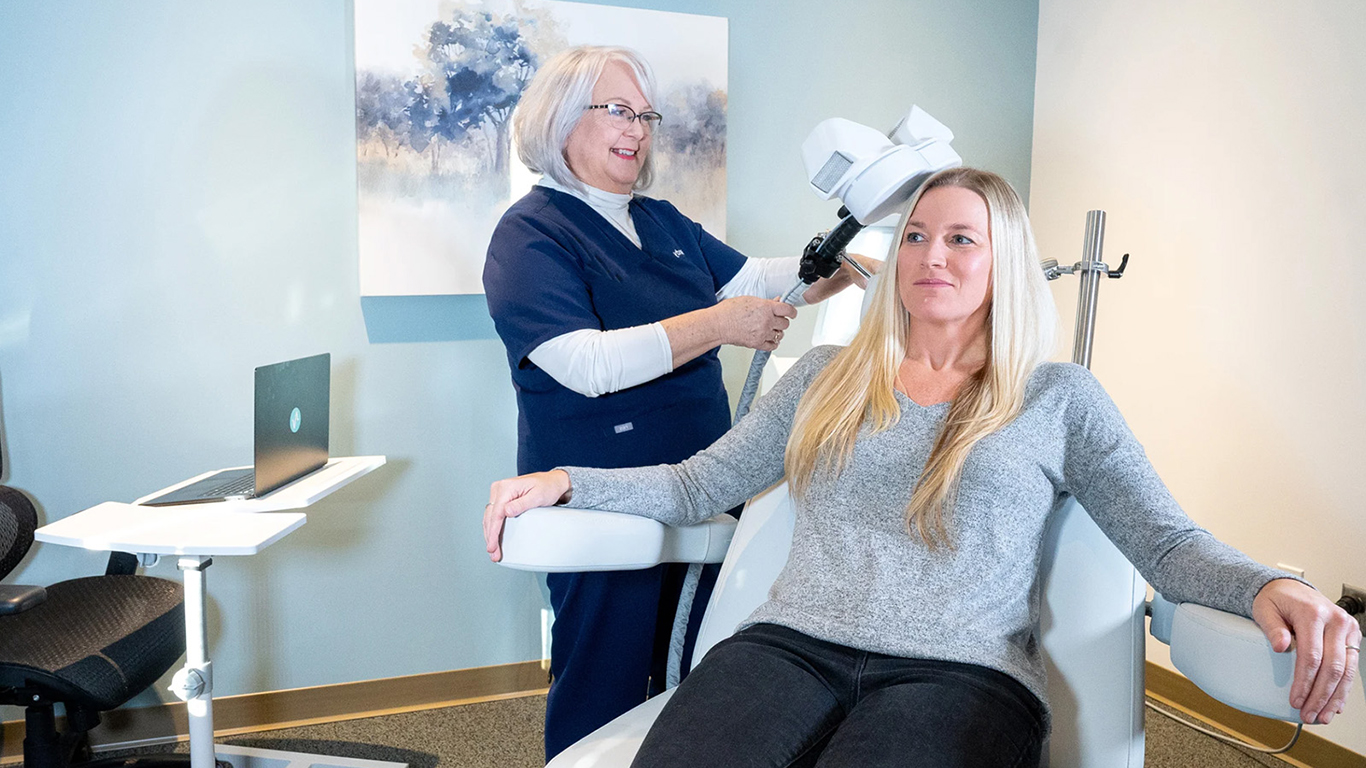
Transcranial magnetic stimulation, or TMS, is a non-invasive treatment that uses magnetic pulses to activate underactive parts of the brain involved in regulating mood. Without understanding what is happening in the brain and how it responds over time, treatment becomes guesswork rather than effective care.
“Brain stimulation should never be a one-size-fits-all solution,” said Dr. Houshang Aminian, MD, medical director at American TMS Clinics. “When you’re treating depression, anxiety, or complex neuropsychiatric conditions, you need to understand exactly what the brain is doing and how it’s responding. That’s how recovery becomes reliable and lasting.”
Every patient at American TMS Clinics starts care with a 20-channel qEEG brain scan that creates a visual map of brain activity linked directly to symptoms. During treatment, patients can see measurable changes in their brain’s function as unhealthy patterns normalize. Instead of wondering whether therapy is effective, progress becomes visible, trackable and clear.
The clinic also combines TMS with neurofeedback, allowing patients to actively engage their brains during a heightened state of neuroplasticity. This integrated approach helps patients retrain mood, focus, and thought patterns while stimulation accelerates the brain’s ability to change.
“We don’t believe in passive care,” said Juliane Popelka, CEO of American TMS Clinics. “Our patients aren’t just showing up and hoping for the best. They’re seeing their brain data, learning how their minds work, and participating in their own recovery. That sense of agency makes a real difference.”
Care is directly overseen by a double-board-certified child and adult psychiatrist licensed in Arizona, a distinction that separates American TMS Clinics from providers who depend on remote or out-of-state physicians. Treatment plans follow an outcome-based approach, with multiple reassessments using both EEG data and clinical self-reporting to ensure each patient remains on course and protocols are adjusted as necessary.
With more than 30,000 treatments delivered, American TMS Clinics reports a success rate exceeding 90%, defined as a 50% or greater reduction in symptoms, with many patients achieving complete symptom resolution. Extensive experience has also led to a lower-than-average side effect rate, including fewer headaches, a common concern with TMS.
What sets American TMS Clinics apart:
Brain imaging. Every patient receives a 20-channel qEEG brain scan to visualize and track changes in brain physiology throughout treatment.
Combined therapies. TMS is paired with neurofeedback to maximize neuroplasticity and help patients actively retrain mood, focus, and thought patterns.
Physician oversight. Care is provided face-to-face by a double board-certified child and adult psychiatrist licensed to practice in Arizona.
Outcome tracking. Treatment plans are guided by repeated reassessments using qEEG data and clinical self-reporting to ensure progress.
Proven results: over 30,000 treatments performed with a success rate exceeding 90%, and many patients experiencing complete symptom relief.
Faster sessions. FDA-approved iTBS provides an 18-minute treatment in only 3 minutes, giving patients more of their day back.
Adolescent care. FDA-cleared treatment is available for patients as young as 15 under the supervision of a board-certified child psychiatrist.
Expanded conditions. The clinic treats depression as well as OCD, autism, PTSD, ADHD, and anxiety using a combined brain-based approach.
Flexible access. Evening hours and Saturday appointments accommodate working professionals and families.
Financial equity. Guaranteed $0 treatment is available for federal employees, U.S. Postal Service workers, and Medicare subscribers.
As new technologies bring attention to brain-based mental health care, Dr. Aminian said clarity matters. “Interest is a good thing. But lasting recovery comes from treatment that is personalized, measurable and medically supervised. That’s where science and compassion meet.”
American TMS Clinics is located at 5020 E. Shea Blvd., Suite 120, Scottsdale. For more information, visit americantmsclinics.com.