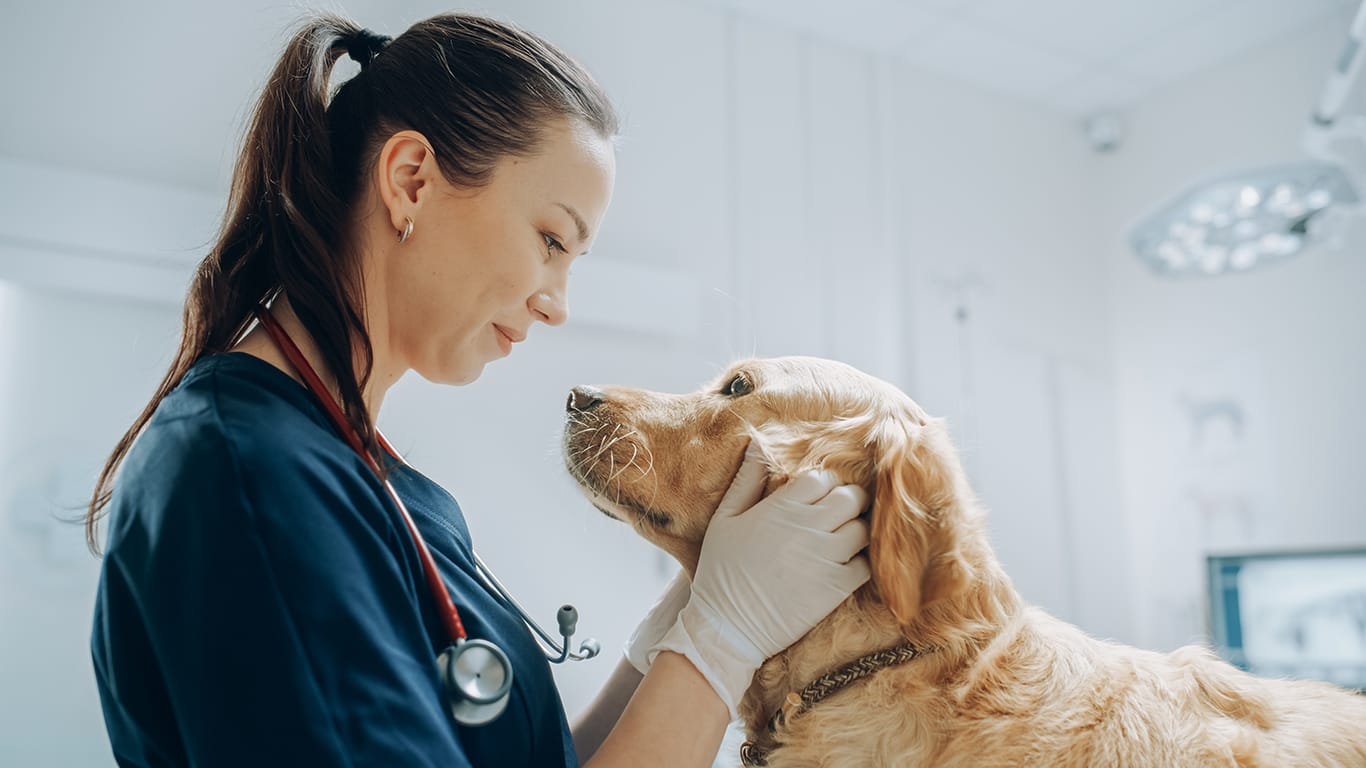
As a vet, you see people and pets when they are going through some of their toughest times. While not every vet visit is unfortunate, it’s still a reality that many of your clients will be saying goodbye to a beloved pet or waiting to hear how a surgical procedure went. As such, it’s up to you to create a more compassionate client experience, and that involves thinking about your environment and communication methods.
A Place of Hardship, Grief, and Hope
A veterinary practice needs to offer a compassionate space because it’s a place of hardship, grief, and hope. A client learning that their pet has a terminal illness will likely leave them feeling distraught. At the same time, a vet can offer hope to clients, offering medical solutions that may help their pets live longer or feel less pain.
A Gesture Like a Sympathy Card Goes a Very Long Way
Less experienced veterinarians might assume that they need to go above and beyond when a client experiences the loss of a pet. However, offering gift baskets and many words of sympathy can actually have a negative effect. Not only is it not sustainable, but people often need space to deal with their grief.
That’s why something as simple as a card goes a very long way. All you need to do is purchase pet sympathy cards in bulk and write a small message inside when a client has to say goodbye to their animal friend. It might seem like a small effort on your part, but the client will appreciate that you are thinking of them. It shows that you not only provide professional pet care, but also personal care, and they will understand that their pet was more than just another appointment.
Learning How to Communicate in Upsetting Times
Some of the biggest lessons you learn in veterinary school include things like spotting common symptoms and knowing how to perform surgery. On top of that, there’s the side that goes into how to communicate.
Communication is an absolutely vital skill when working in a clinical setting. The best vets do the following:
- Use the pet’s name in conversation
- Pay close attention to body language, specifically looking for signs of anxiety
- Set crystal-clear expectations
- Actively listen
- Tailor communication and explanations to the specific client
- Pause for questions
- Validate all kinds of emotions and responses
Creating a Safe, Comfortable Environment for Both Pets and Humans
Vets need to create an environment that is both clinical and comfortable. Yes, it’s difficult, but it’s an important aim, as the space is not just about receiving a diagnosis or medical treatment, but also an environment where potentially bad news is delivered.
Having a separate space for grieving clients is always a good idea; just make sure to include positive décor that calms the spirit. Also think about the environment for the pet client, too. You need enough space for large dogs, for example. Also provide elevated areas where cats can jump up if they want to. Also, pay close attention to sound and acoustics, as loud noises can cause anxiety in pets.