
Arizona’s cannabis market has officially entered a new era of maturity. The wild, fast-paced “gold rush” of early legalization has settled into a highly professional marketplace. Today, success is no longer measured by getting big fast. Now, it’s about smart operations, smooth supply chains, and strict compliance.
DEEPER DIVE: 5 years of Arizona cannabis: Here’s how industry is growing
INDUSTRY INSIGHTS: Want more news like this? Get our free newsletter here
To celebrate the leaders successfully navigating this high-stakes shift, a distinguished group of industry trailblazers recently gathered at Paradise Valley’s historic El Chorro Lodge. The exclusive, invitation-only evening recognized the regional cohort of the 2026 Arizona Influential Executives of Cannabis (IEC) Awards.
Presented by a powerhouse alliance, national PR and marketing communications firm Proven Media, and the elite executive network CannaPac and RW Navis & Associates, the IEC awards focus entirely on business merit rather than popularity. Instead of a standard vote, a panel of experts selected the honorees based on real market impact, operational excellence, and long-term stewardship.
The executives recognized at the IEC Awards represent true cannabis legends. These foundational power players built the state’s billion-dollar market from the ground up. As the industry heads into the second half of 2026, the big takeaway from this award-winning group is a deep sense of optimism. Even while dealing with tough state rules and federal uncertainty, these leaders are fiercely hopeful about what’s next as cannabis secures its spot in the mainstream business world.
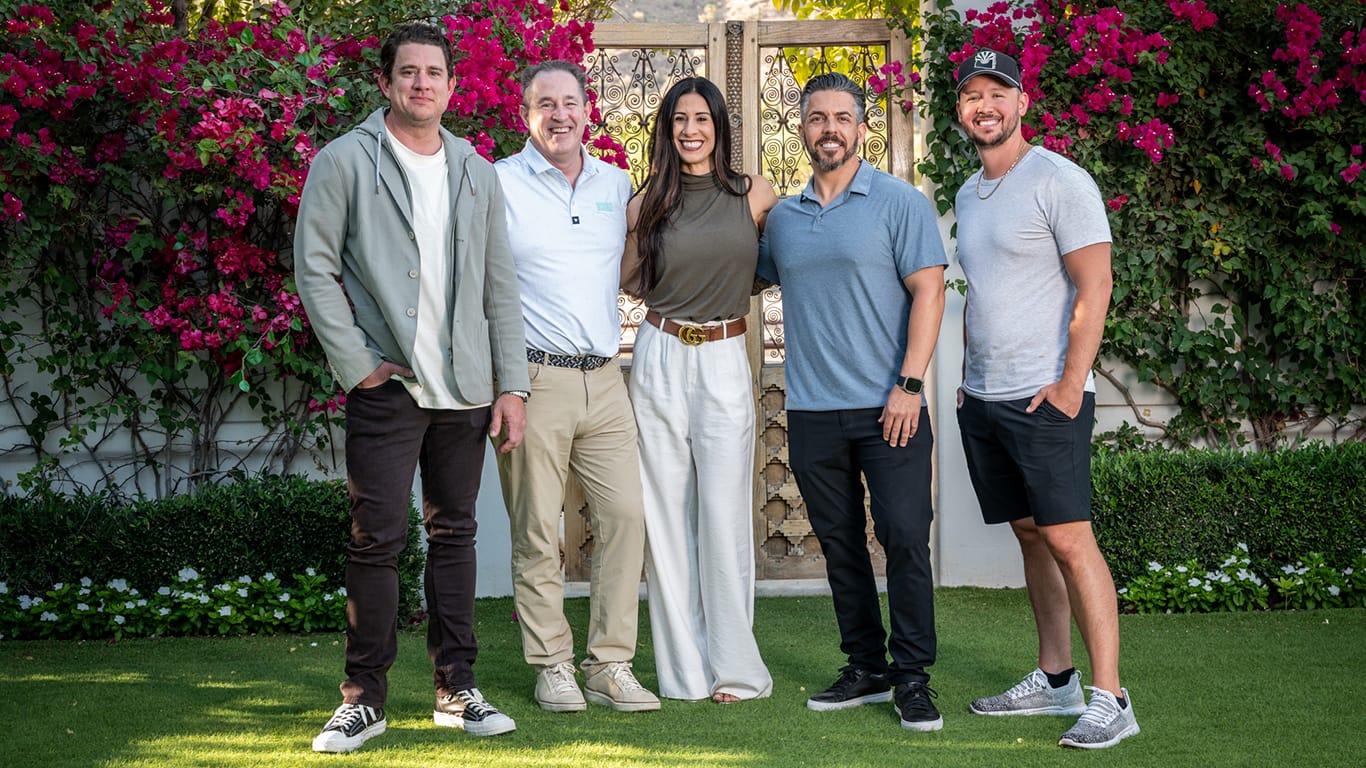
Unlocking Capital and Legitimacy
The Paradise Valley event comes at a major turning point for the industry. With federal hearings scheduled for this June to look at moving cannabis from Schedule I to Schedule III, Arizona executives are already reshaping their long-term plans. For businesses that have struggled for years with banking limits and high costs, the biggest immediate win will be relief from IRS Section 280E, the tax rule that currently stops cannabis companies from taking normal business tax deductions.
For Bran Noonan, CEO of OGeez!, federal rescheduling is one of the most important moments the industry has ever seen. Noonan points out that the current tax system puts immense pressure on state-licensed operators by eating into their cash flow. “Rescheduling should help improve cash flow, reduce margin strain, and gradually expand access to more traditional financing and institutional capital,” Noonan explains. He adds that the broader significance is simple normalization, noting that the federal shift “further validates cannabis as a legitimate consumer product category rather than a fringe industry. That shift in perception matters — not only for consumers, but also for investors, retailers, and strategic partners.”
Thomas Rimbach, Founder and CEO of Baked Bros™, agrees, calling this a watershed moment where the federal government is finally catching up to the reality of state markets. Rimbach notes that the policy shift “signals that the federal government is finally catching up to what consumers and state markets have known for years.” He believes reclassification will fundamentally shift the narrative from illicit to legitimate in the minds of mainstream consumers and retail partners, ultimately rewarding serious operators who invest in quality and transparency over short-term wins.
This normalization also shines a direct light on the industry’s medical and wellness roots. Veteran advocate and actor Vernell “Poppa Snoop” Varnado knows the human side of this shift firsthand. Through his work with seniors and military veterans dealing with trauma, he has seen how social stigma can keep vulnerable people from seeking alternative care. Varnado emphasizes that federal progress will allow medical professionals to speak openly. “We are able to talk more freely about Veterans, plant medicine, and medical marijuana without being subjected to scrutiny,” Varnado states, highlighting that under a validated Schedule III framework, “medical doctors for the first time will be more free to speak about the benefits of medical MJ for PTSD and other forms of suffering for Veterans and seniors instead of turning to opioids.”
From a big-picture business perspective, Eivan Shahara, Co-Founder and CEO of Mint Cannabis, views the end of Section 280E as an immediate boost for local economies. Shahara explains that the real value of rescheduling is that companies can keep more of their hard-earned money, allowing operators to reinvest capital directly back into operations, innovation, and patient care.
This tax relief is poised to completely change how investors look at the industry. Jason Vedadi, Founder and CEO of Story Cannabis, notes that cannabis businesses have survived under some of the toughest financial constraints in corporate history. With federal rules leveling out, Vedadi says operators who built lean, resilient infrastructure are primed for unprecedented growth. “We are seeing a transition from what some considered a high-risk gamble to a legitimate, long-term asset class for institutional investors who require regulatory certainty before deploying capital,” Vedadi explains.
The global impact also excites biochemist Susan Hwang, Founder and CEO of BEST Dispensary. Hwang believes the policy shift marks the moment medical cannabis becomes a globally respected, science-driven sector. She anticipates that steadier capital markets will speed up scientific research and position top operators to pursue future international opportunities, including exporting products and expertise to markets around the world as policies evolve.
Still, as federal changes invite big new players into the space, some industry veterans urge smart caution. Kathy Senseman, Principal of Policy Development Group, offers a warning to operators looking to scale too quickly in response to the news, noting that rushing can lead to mistakes. “I think there are going to be some that want to step on the gas and dramatically expand the industry,” Senseman warns. “But I would caution that we need to be thoughtful and meaningful in how we respond to these changes federally. Going too fast with reckless abandon never ends well in any industry.” For Senseman, lasting success simply means staying rooted in core tenets like safety, quality products, and a strong regulatory environment.
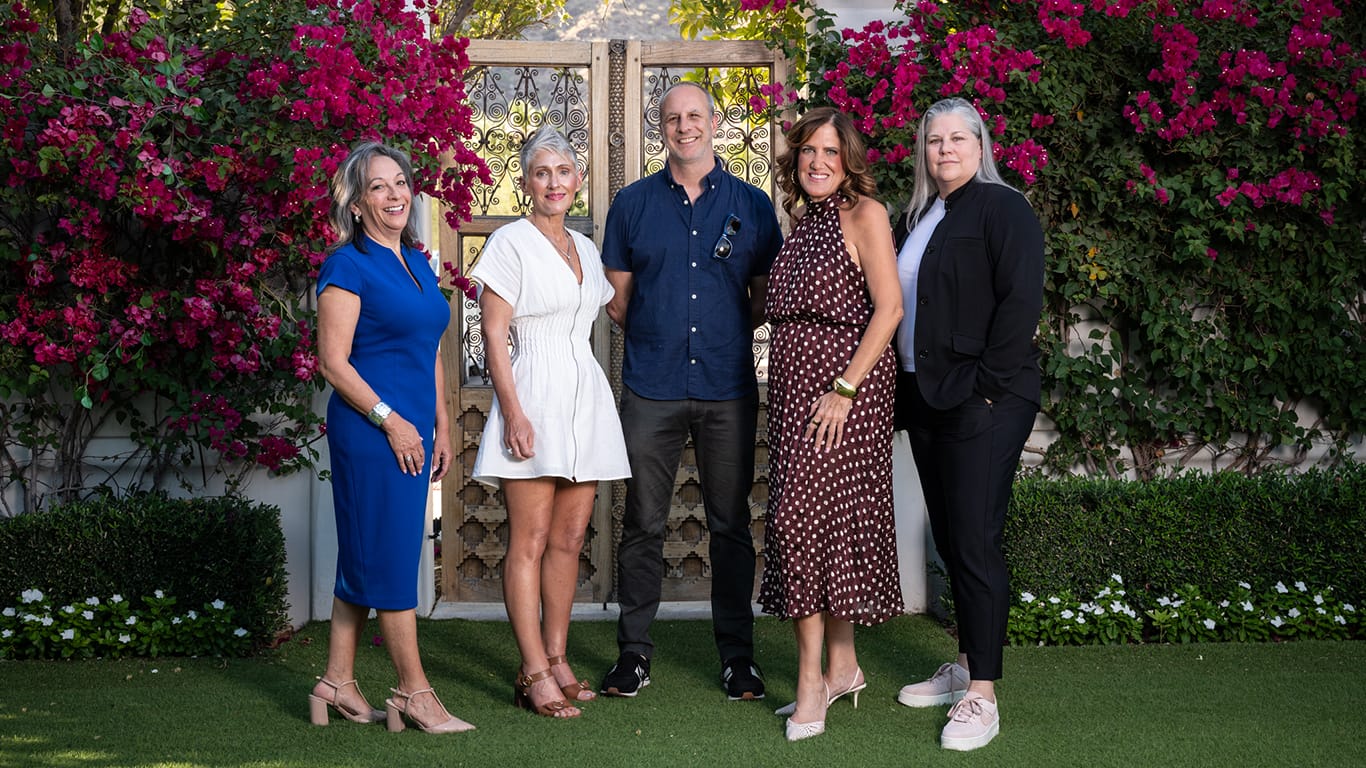
Maneuvering Market Maturation
As the adult-use market evolves across the Southwest, Arizona has become a highly sophisticated ecosystem. The days of easy, automatic growth have turned into a stable phase defined by tough competition and tighter margins. In this environment, winning is about running a tight ship, managing cash well, and building real brand loyalty.
John Haugh, CEO of The Pharm and Sunday Goods, sums up this new reality perfectly: “It’s not the big that eat the small, it’s the fast that eat the slow.” Haugh notes that long-term survival required his company to evolve from a pure wholesale grower into a balanced retail and wholesale brand. Today, Haugh focuses on the best biomass in the market and on brands that consumers view as differentiated, reliable, and a good overall value.
This strategic pivot toward lean operations is exactly why Caroline Riggs, Executive Vice President of Retail & Marketing at Copperstate Farms, is so optimistic about Arizona’s future. Riggs looks at the current market tightening as a healthy correction that clears out volatile operations and rewards stable businesses. “The strongest reason for optimism is that the market seems to be learning how to mature: less about rapid expansion, more about real demand, better operations, and broader access,” Riggs explains. “That combination is often what turns a volatile industry into a durable one for stakeholders.”
This push for better operations has turned Arizona into a compliance model for the rest of the country. Raul Molina, Co-Founder and COO of Mint Cannabis, attributes his brand’s multi-state expansion to the strict operational baselines they built right here in Arizona. Molina believes a mature market forces companies to create better customer experiences, like drive-thrus and community partnerships, allowing responsible operators to innovate, create jobs, and help shape a normalized future for the industry overall.
This stabilization is consolidating the market around operators built for the long haul. Sara Gullickson, Founder and CEO of The Cannabis Business Advisors, tracks this shift as a sign of a market getting honest with itself. “What makes Arizona compelling right now is that the initial hype-driven gold rush has cleared out, leaving a sophisticated, consolidated marketplace,” Gullickson notes. She explains that federal cannabis reform will create significant opportunities for license holders by improving access to capital, reducing operational stigma, and increasing investor confidence. “It will reward operators who are strategically positioned for expansion, compliance, and long-term scalability,” Gullickson says.
This focus on quality directly matches what shoppers want. Andrew Meister, Co-Owner of Bud’s Glass Joint and producer of Buds-A-Palooza, notes that Arizona’s educated consumer base looks past flashy marketing. Meister states that consumers are shopping with real intent, choosing to pay attention to quality, transparency, community involvement, and the actual values behind the brands they choose to support.
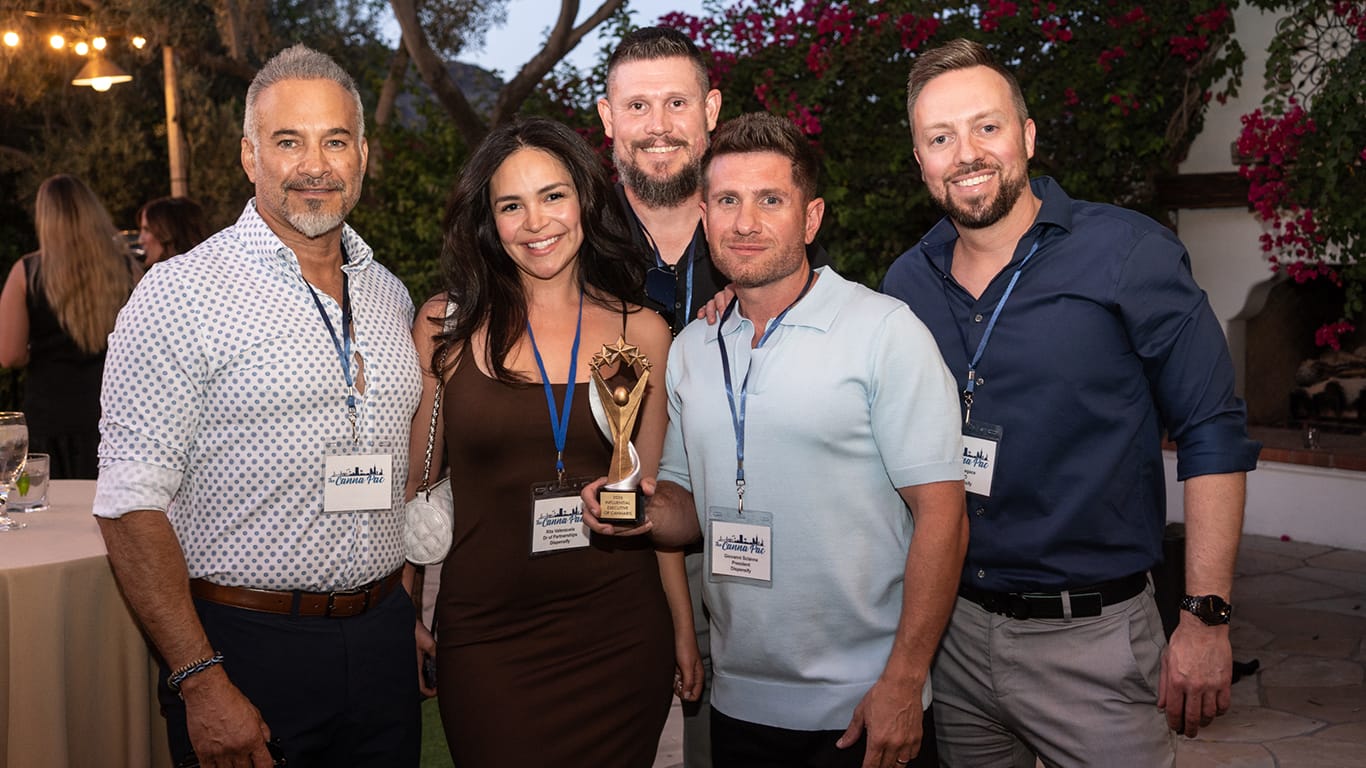
The Power of Transparent Leadership
Running a cannabis company requires a tough leadership style. These local legends have shaped their philosophies in high-pressure situations, proving that true executive integrity shows up clearest when times get tough.
Laura Bianchi, Co-Founding Partner at Bianchi & Brandt, emphasizes that how you lead during difficult moments matters far more than how you lead when everything is going well. In this industry, Bianchi keeps her teams aligned through clear, steady guidance and open communication. “We are living through incredibly unprecedented times in the cannabis industry… At times, it can feel chaotic, but despite the twists and turns, the industry continues to move forward,” Bianchi notes, adding that in high-pressure environments, people want honesty, decisiveness, and steady leadership.
To survive these constant industry shifts, Ann Torrez, Executive Director of the Arizona Dispensaries Association, reiterates that operational discipline and integrity are absolute requirements. Torrez notes that motivating a team through changing goals relies entirely on being transparent and building camaraderie. “The industry is entering a defining moment that will demand refined, disciplined business strategies and unwavering compliance,” Torrez says. She believes that true leadership is achieved by creating an open environment where people feel informed, supported, and safe asking questions as they navigate challenges together.
This focus on internal teamwork is echoed by Justin Brandt, Co-Founder and Partner at Bianchi & Brandt, who advises corporate executives to lead by example and build an adaptable workforce. Brandt notes that in a business where you must constantly keep your head on a swivel, a unified team is what keeps a company from fracturing when unexpected roadblocks appear.
To keep teams motivated when goals are shifting, Ryan Lagace, CEO of Dispensify, anchors his employees directly to the underlying company purpose. Lagace finds that the best way to maintain morale is to celebrate small operational wins and give young professionals real responsibility. “When people believe in the purpose and see momentum, they can push through almost anything,” Lagace remarks.
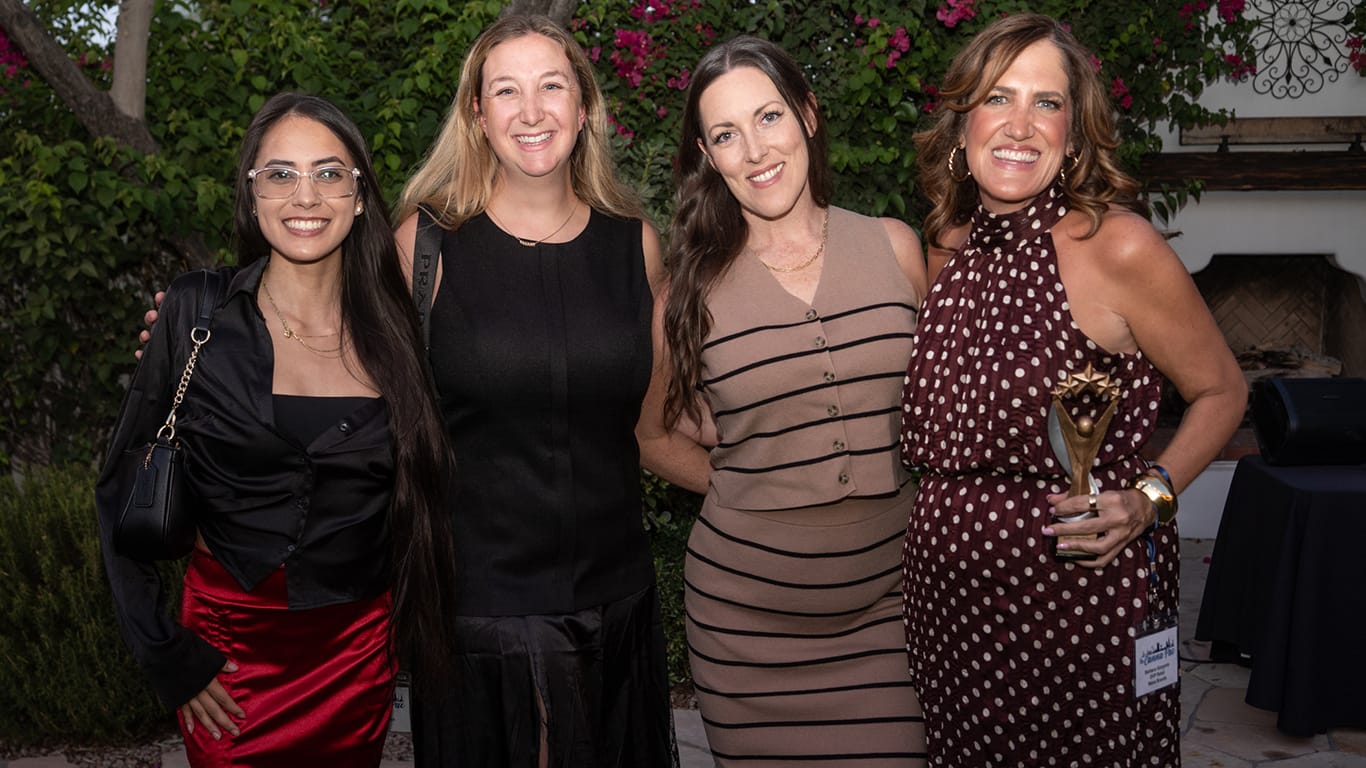
Mentoring the Future C-Suite
For Arizona’s established leaders, “responsible stewardship” means protecting consumers, safeguarding the hard-won integrity of the local market, and responsibly shaping the next generation of executives to build stable, ethical businesses.
Sara Presler, General Counsel and Partner at Mohave Cannabis Co., views corporate stewardship through the lens of personal alignment, fair workplaces, and local community contributions. Presler maintains that an executive’s ethics should be uncompromised across both professional and personal spaces. “I am the same person of integrity when volunteering for my kids’ school as I am at work. Being consistent and having integrity is everything,” Presler asserts. In practice, she defines stewardship as treating employees with profound fairness, offering competitive pay and excellent benefits, and keeping an open-door communication policy.
This commitment to a community-focused business model is shared by Marie Saloum, Owner and Founder of Green Pharms Dispensaries, who has watched the local culture shift since she entered the market in 2017. Saloum shares that her corporate strategy successfully moved from a purely technical operational focus to a community-driven retail model that prioritizes consumer education over simple sales volume. “The most profound lesson I’ve learned is that vulnerability is actually a leader’s greatest strength,” Saloum reflects, adding that watching everyday Arizonans shake off decades of judgment to find genuine comfort is deeply moving to witness.
Safeguarding the core market from purely transactional corporate mindsets remains a critical focus for established operators. Josh Kesselman, Founder of RAW and Publisher of High Times, emphasizes that authentic market leadership means staying dedicated to the culture that built the industry, rather than just chasing a quick profit. Kesselman believes that long-term success is rooted in being a caregiver for the culture, not just a corporate executive chasing a fast exit. “True stewardship is protecting the plant, supporting the community that built this industry, and ensuring that as we succeed, we lift everyone up with us,” Kesselman says.


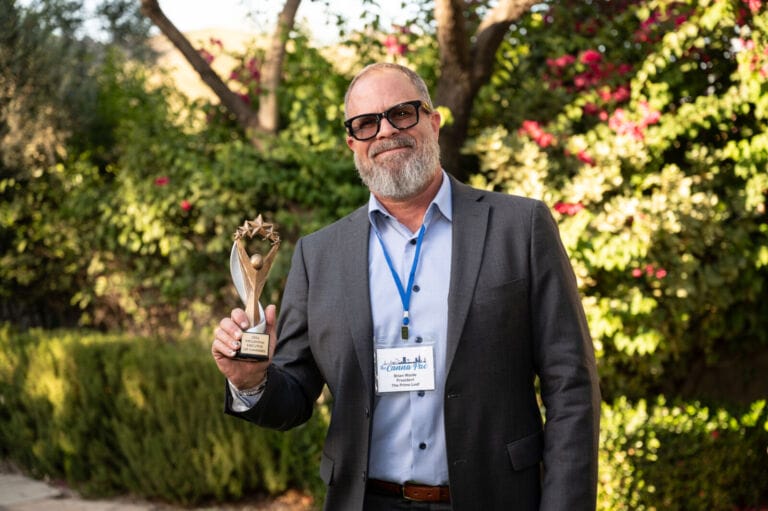



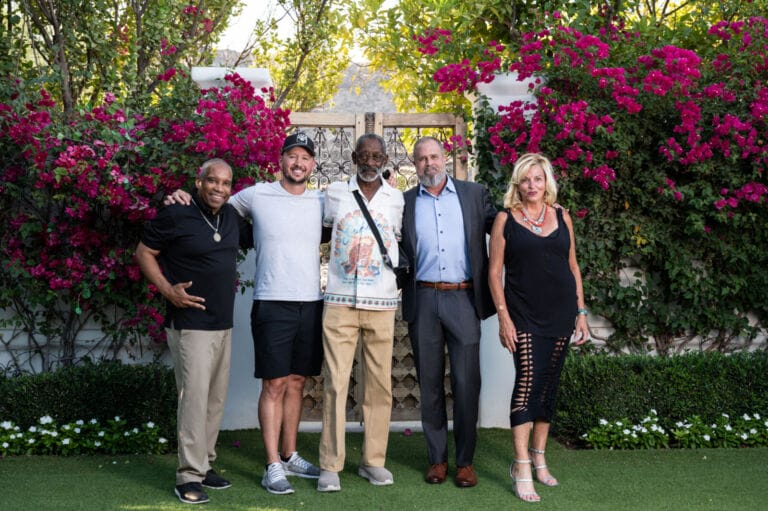
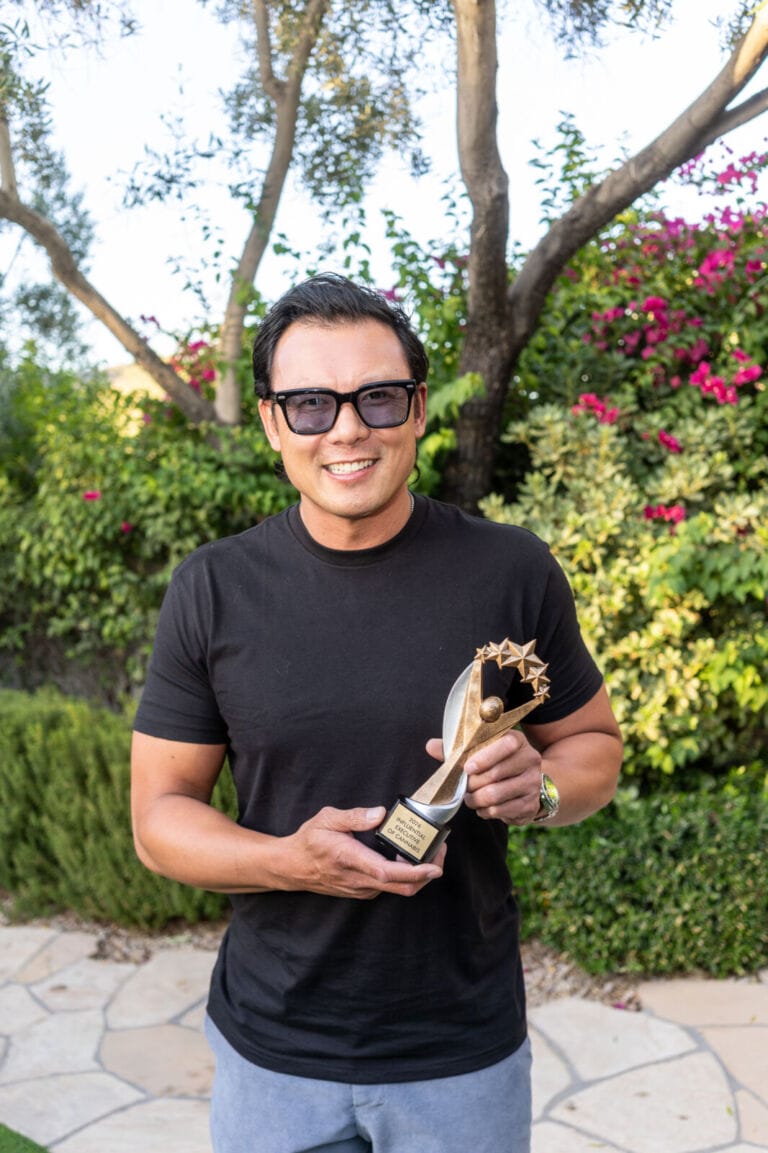
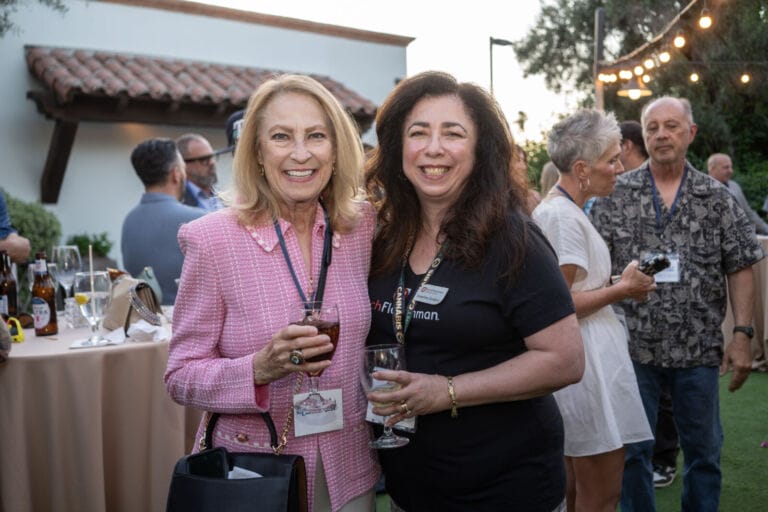
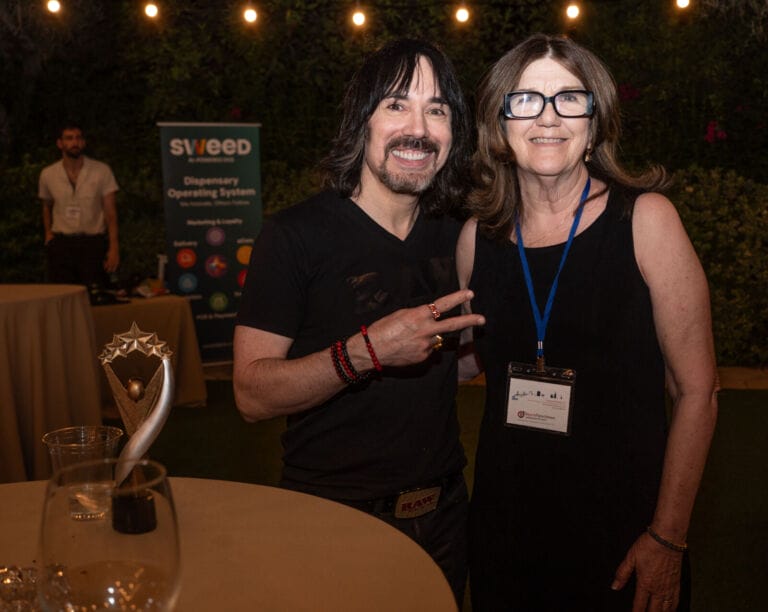
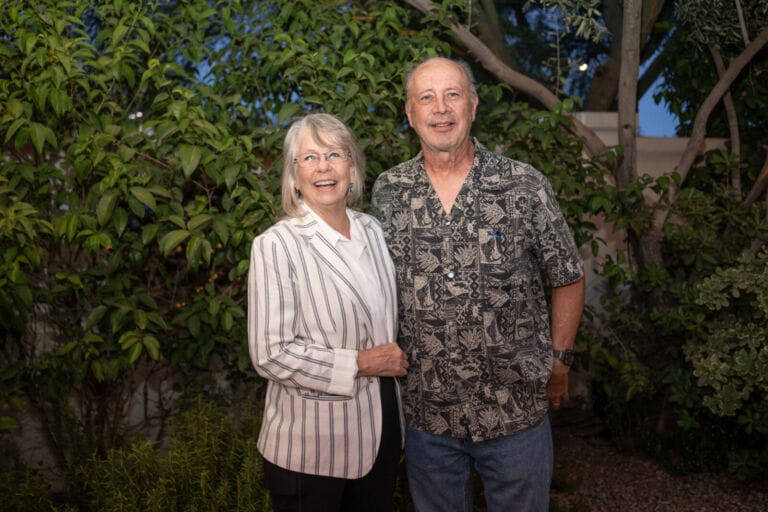
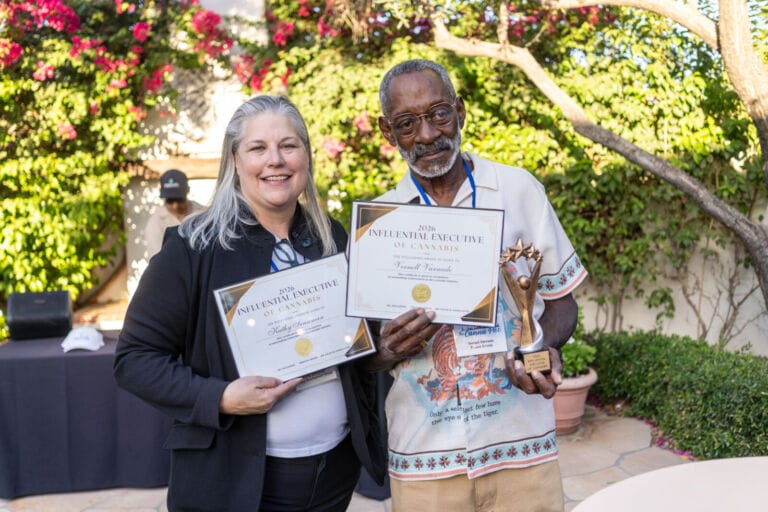
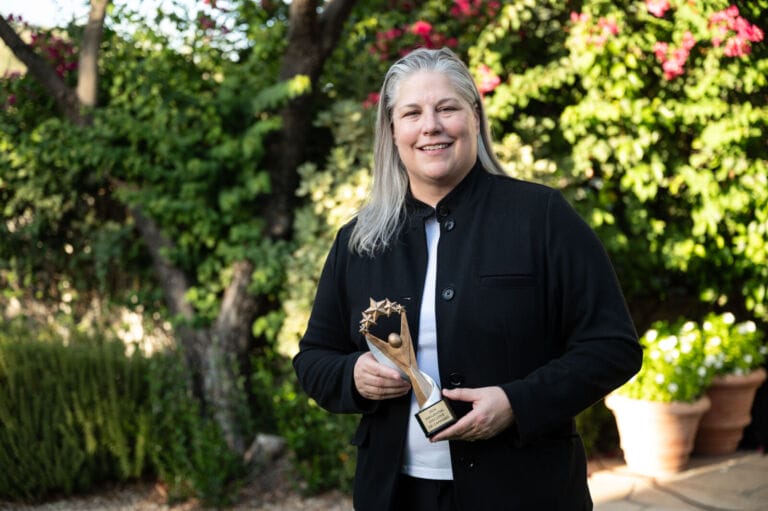

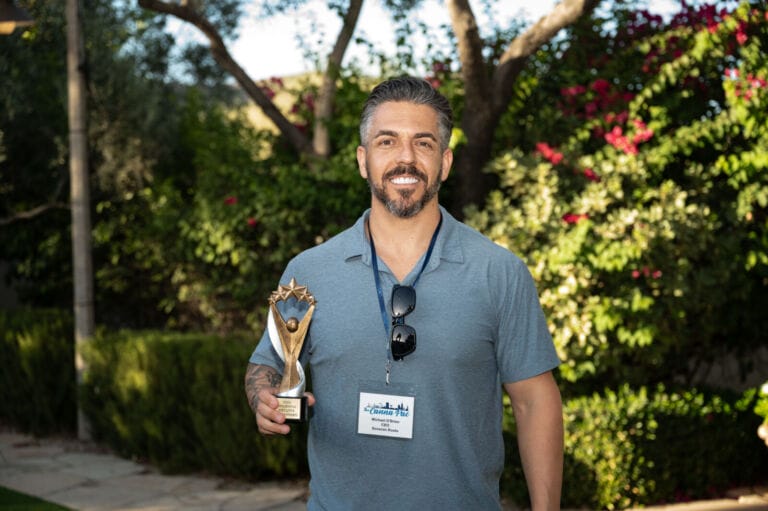
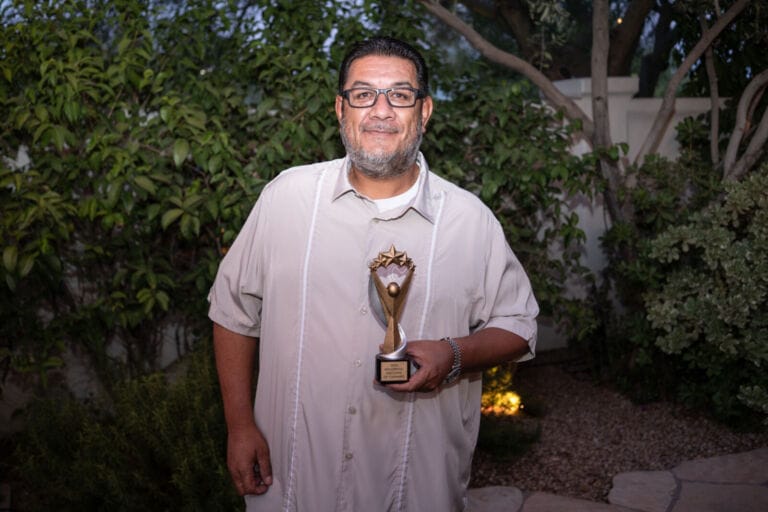
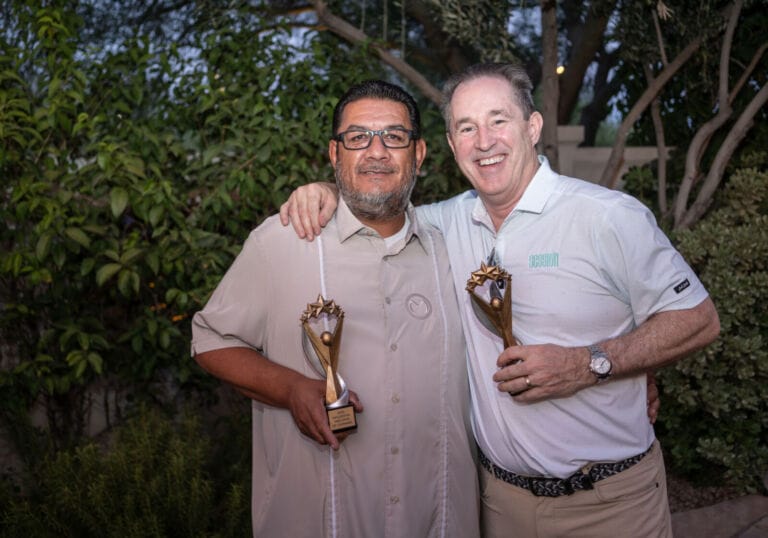
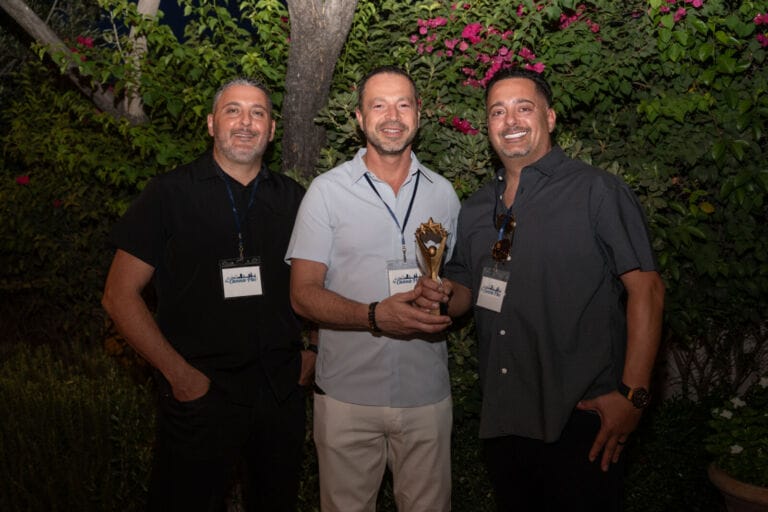

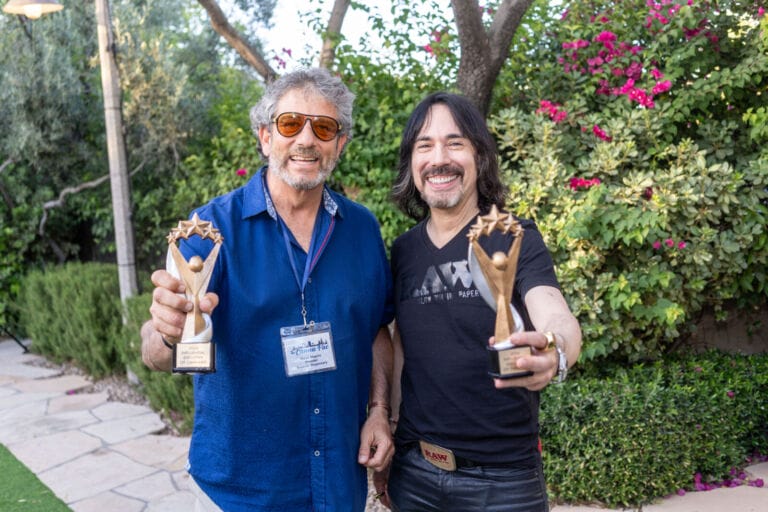

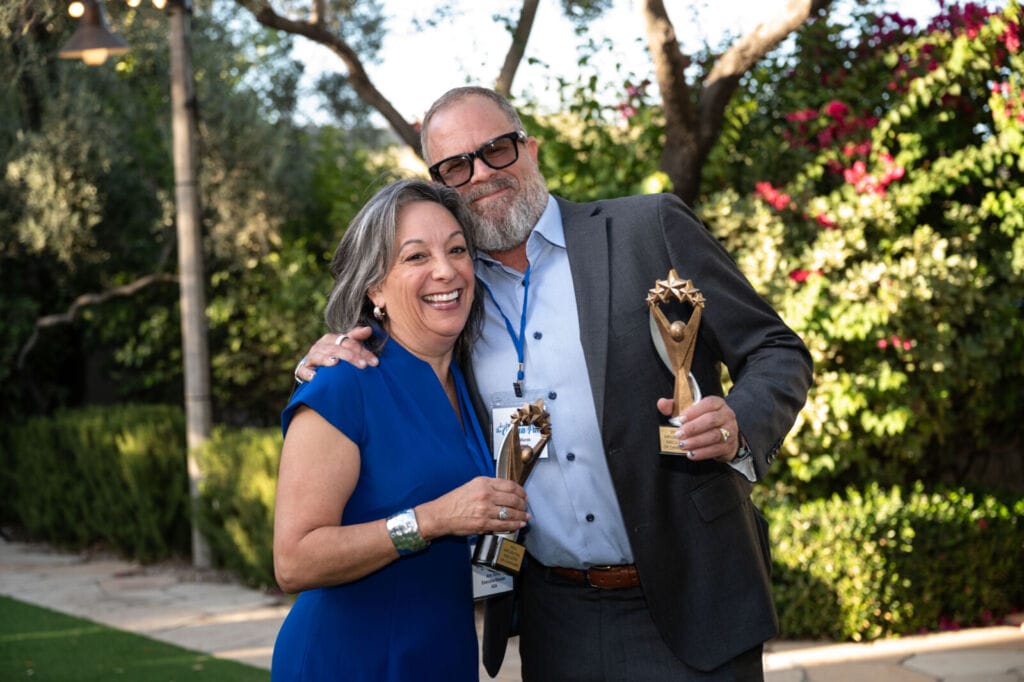




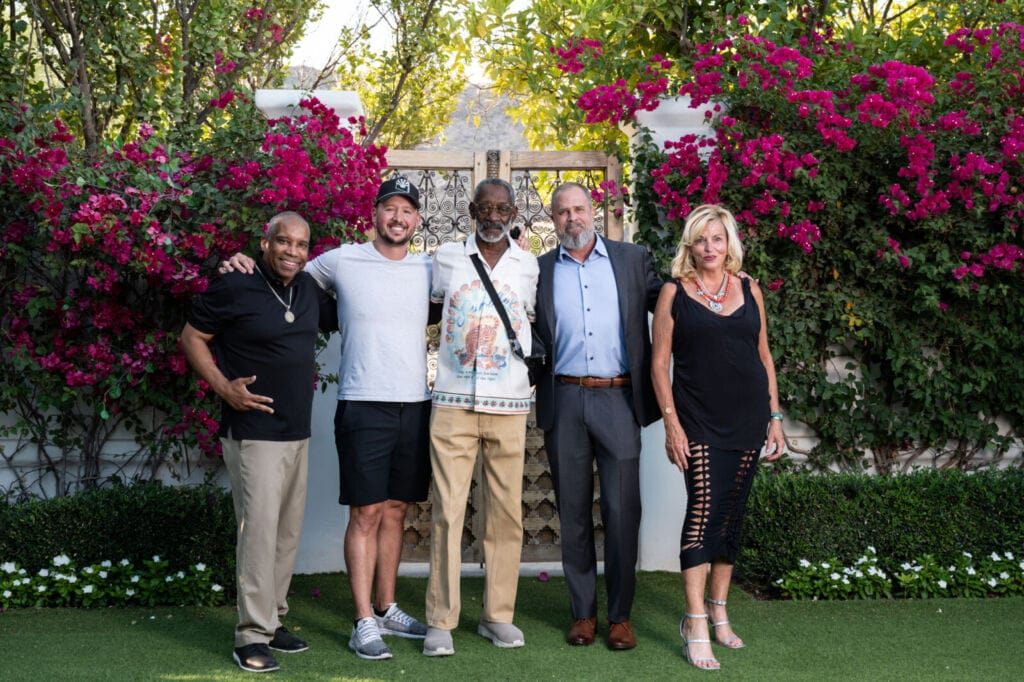

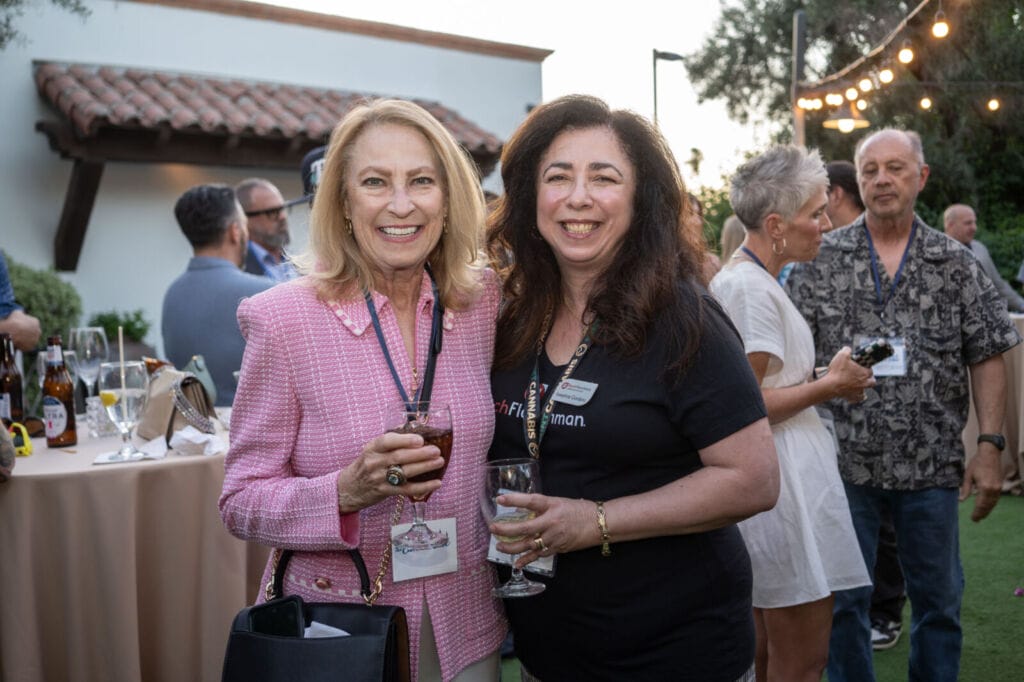
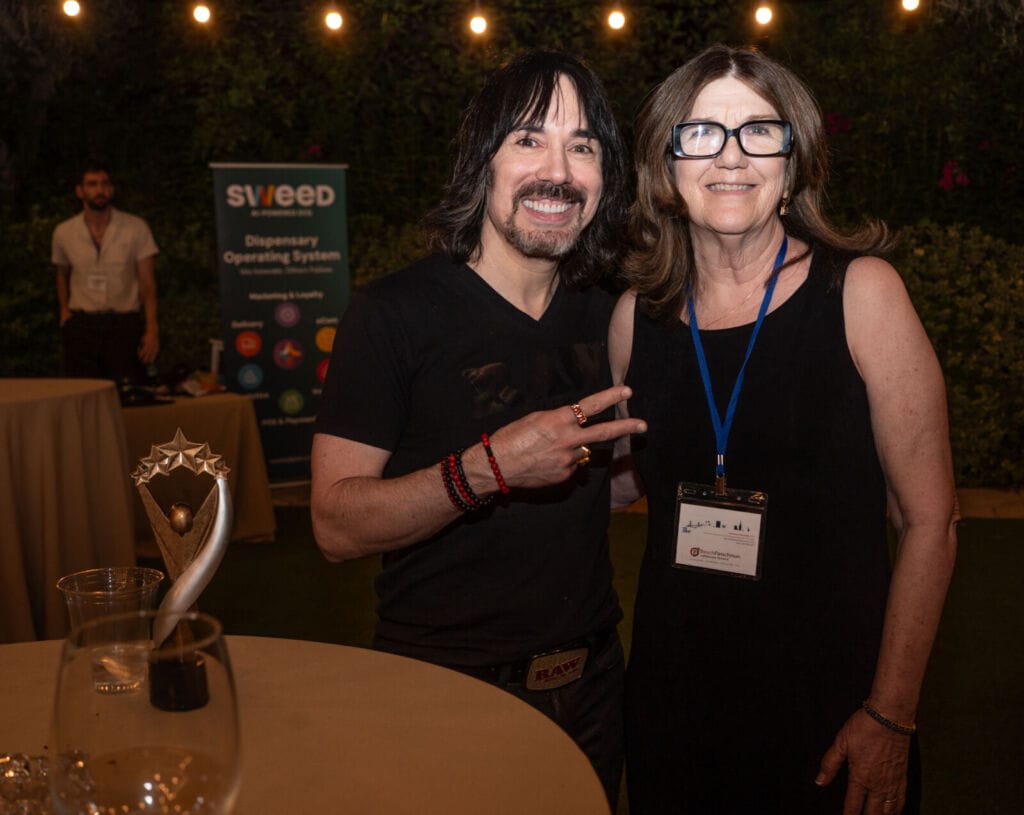

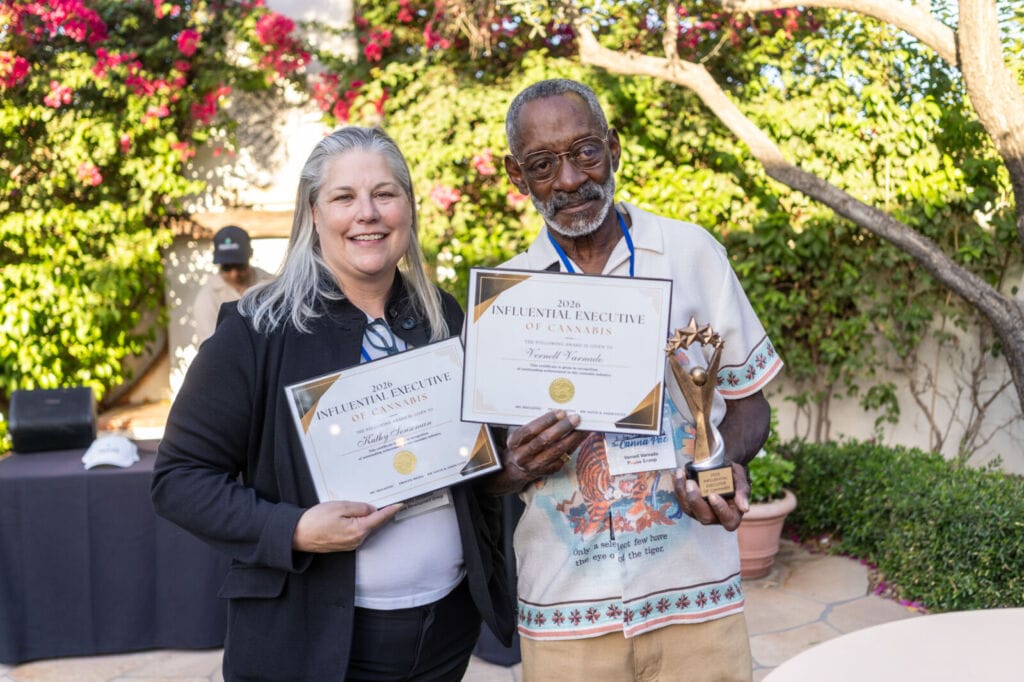
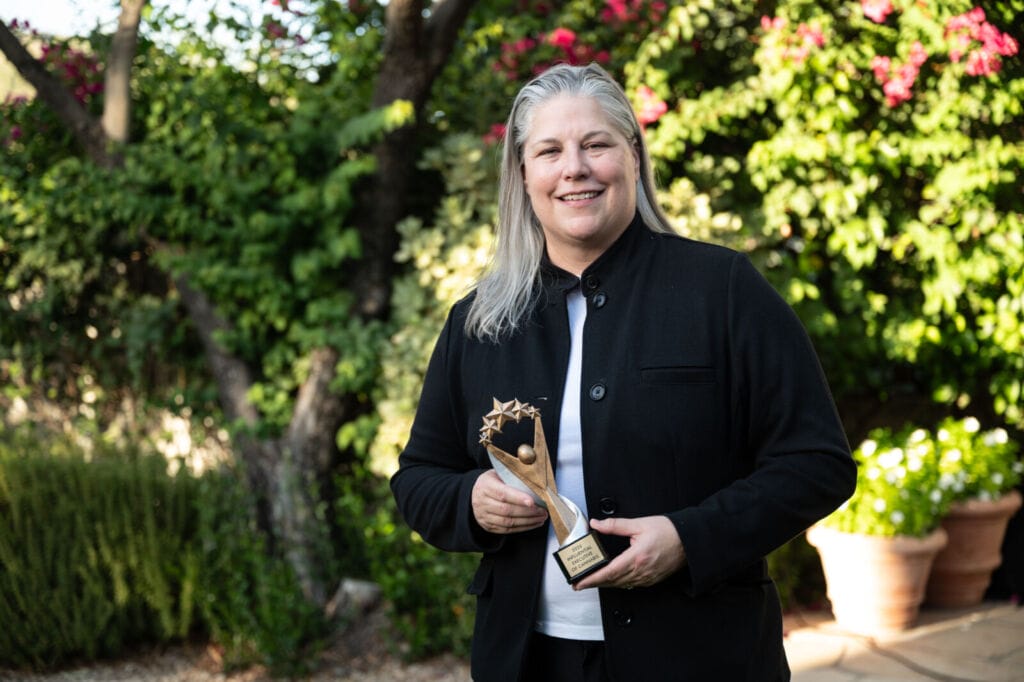

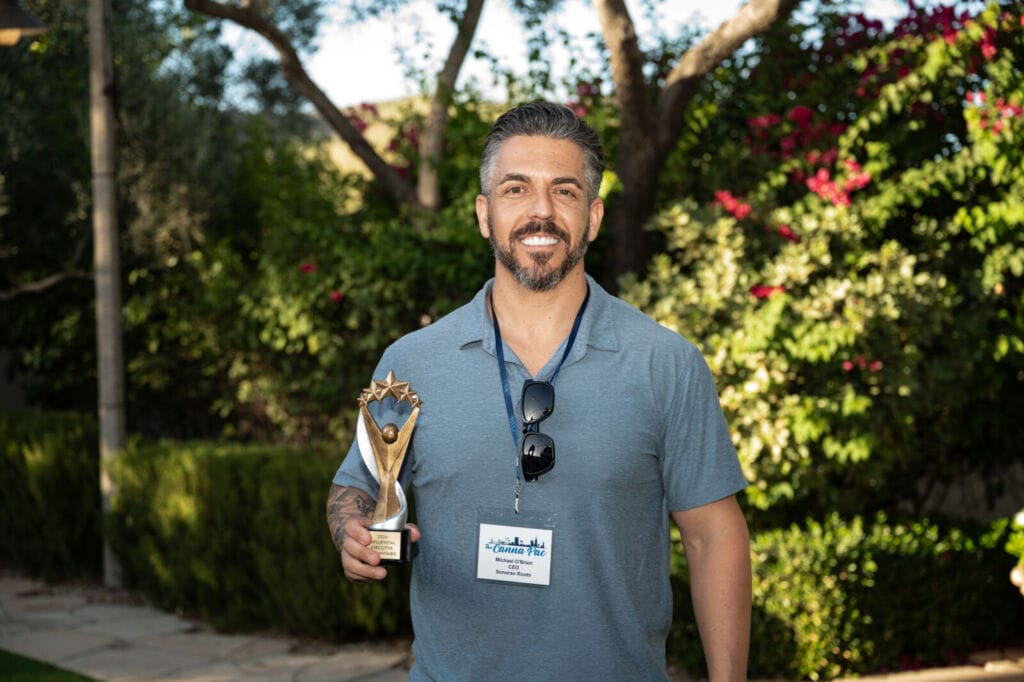
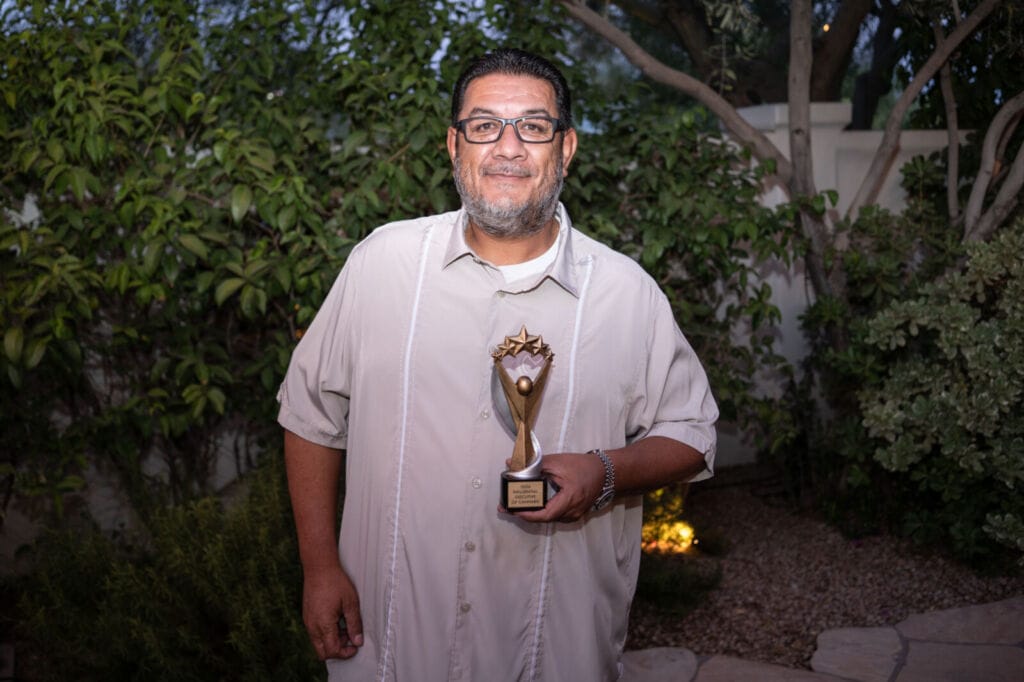
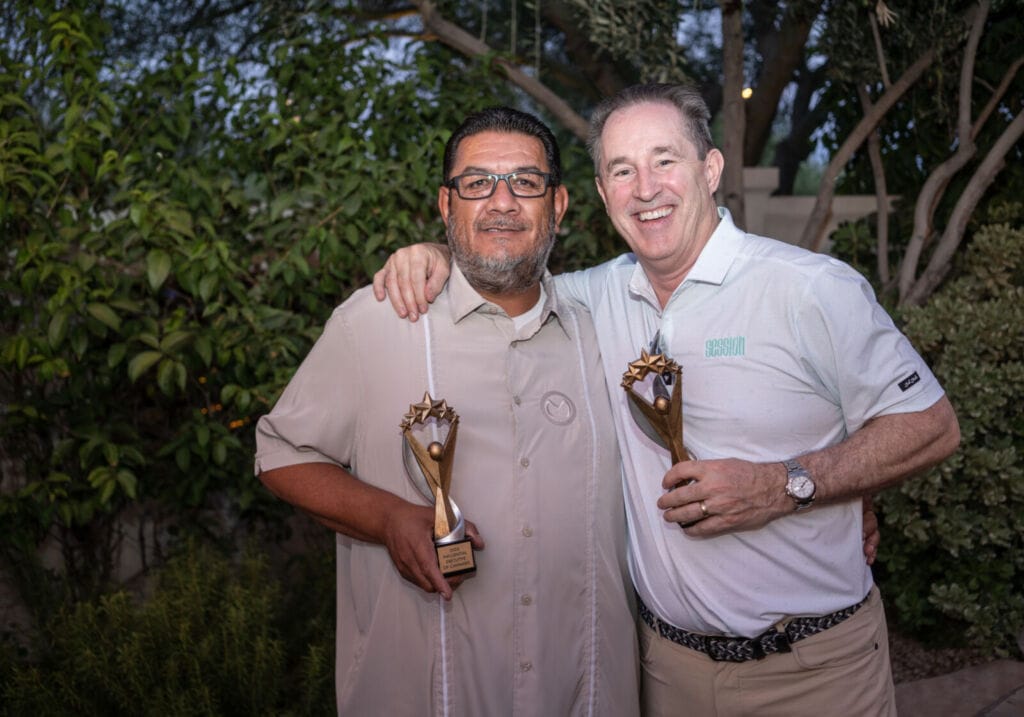
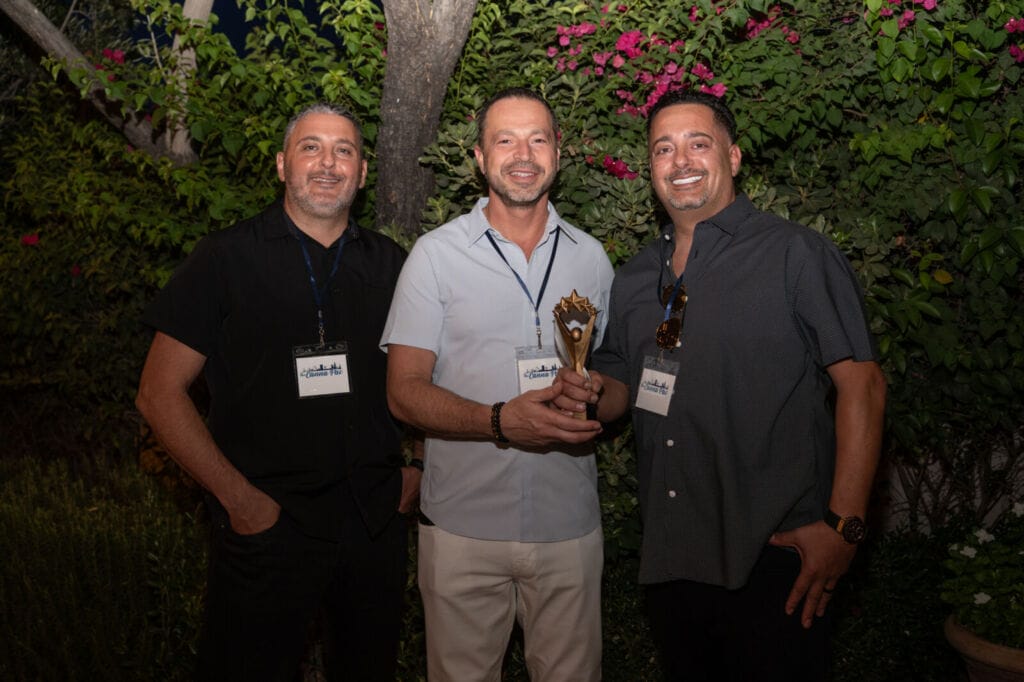

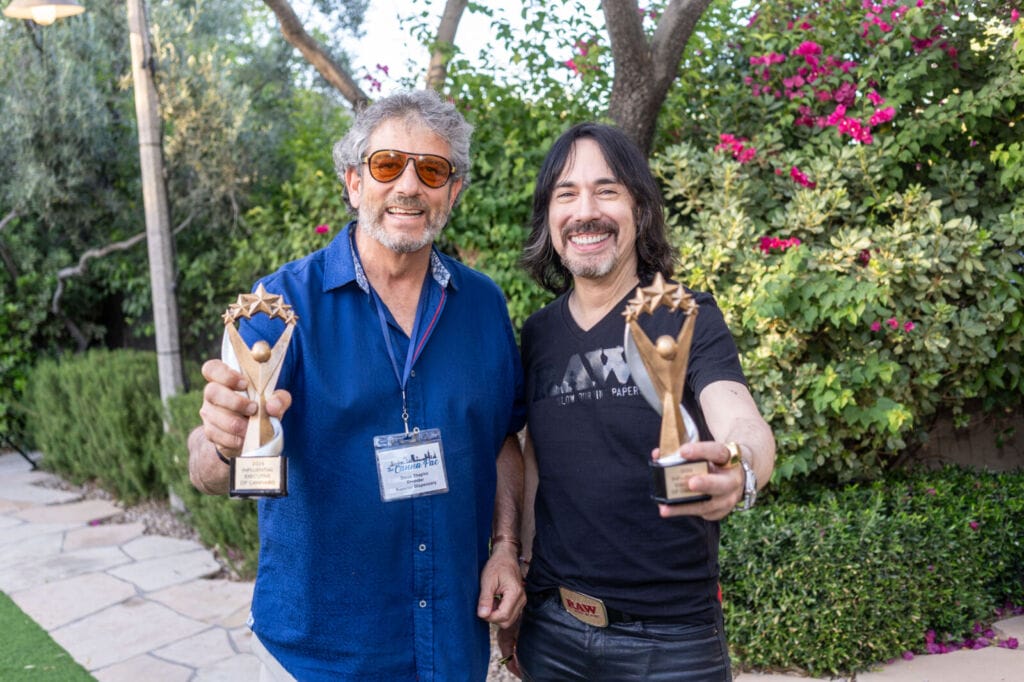
Photo by Carl Schultz.
The 2026 Arizona / Southwest IEC Honorees
The following executives represent the gold standard of professional leadership, strict compliance, and strategic vision in the Southwest cannabis sector:
- Laura Bianchi, Bianchi & Brandt
- Justin Brandt, Bianchi & Brandt
- Demitri Downing, MITA
- Adelia Fakhri, EventHi & Blunt Brunch
- Barbara Garganta, Wana Brands
- Sara Gullickson, Cannabis Business Advisors
- John Haugh, The Pharm / Sunday Goods
- Ryan Hermansky, Noble Herb
- Lori Hicks, Arizona Natural Concepts Marijuana Dispensary
- Susan Hwang, BEST Dispensary
- Ronnie Kassab, JARS Cannabis
- Josh Kesselman, RAW & High Times
- Ryan Legace, Dispensify
- Andrew Meister, Bud’s Glass Joint / Buds-A-Palooza
- Raul Molina, Mint Cannabis
- Bran Noonan, OGeez!
- Michael O’Brien, Sonoran Roots and Ponderosa Dispensaries
- Sara Presler, JARS / Mohave Cannabis Co.
- Kim Prince, Proven Media
- Parisa Rad, Blunt Brunch / IMA Financial Group
- Caroline Riggs, Copperstate Farms
- Thomas Rimbach, Baked Bros™
- Arvin Saloum, Green Pharms Dispensaries
- Marie Saloum, Green Pharms Dispensaries / Trap Culture
- Kathy Senseman, Policy Development Group
- Eivan Shahara, Mint Cannabis
- Revan Shahara, Mint Cannabis
- Steve Shapiro, Superior Dispensary
- George Thimsen, Timeless
- Ann Torrez, Arizona Dispensaries Association
- Jason Vedadi, Story Cannabis
- Vernell Varnado, AKA “Poppa Snoop,” Veteran Advocate & Actor
- Brian Warde, The Prime Leaf
- Sarah Warraich, Nirvana
Setting the Standard for What’s Next
One thing is perfectly clear: Arizona’s cannabis industry has outgrown its trial phase. By trading short-term gambles for disciplined business models, clear internal transparency, and community-first values, these award-winning professionals are doing far more than just waiting for the rules of the game to level out. They are actively building a sustainable blueprint, ensuring that the state’s legal ecosystem remains a powerful, reliable driver of the economy for years to come.