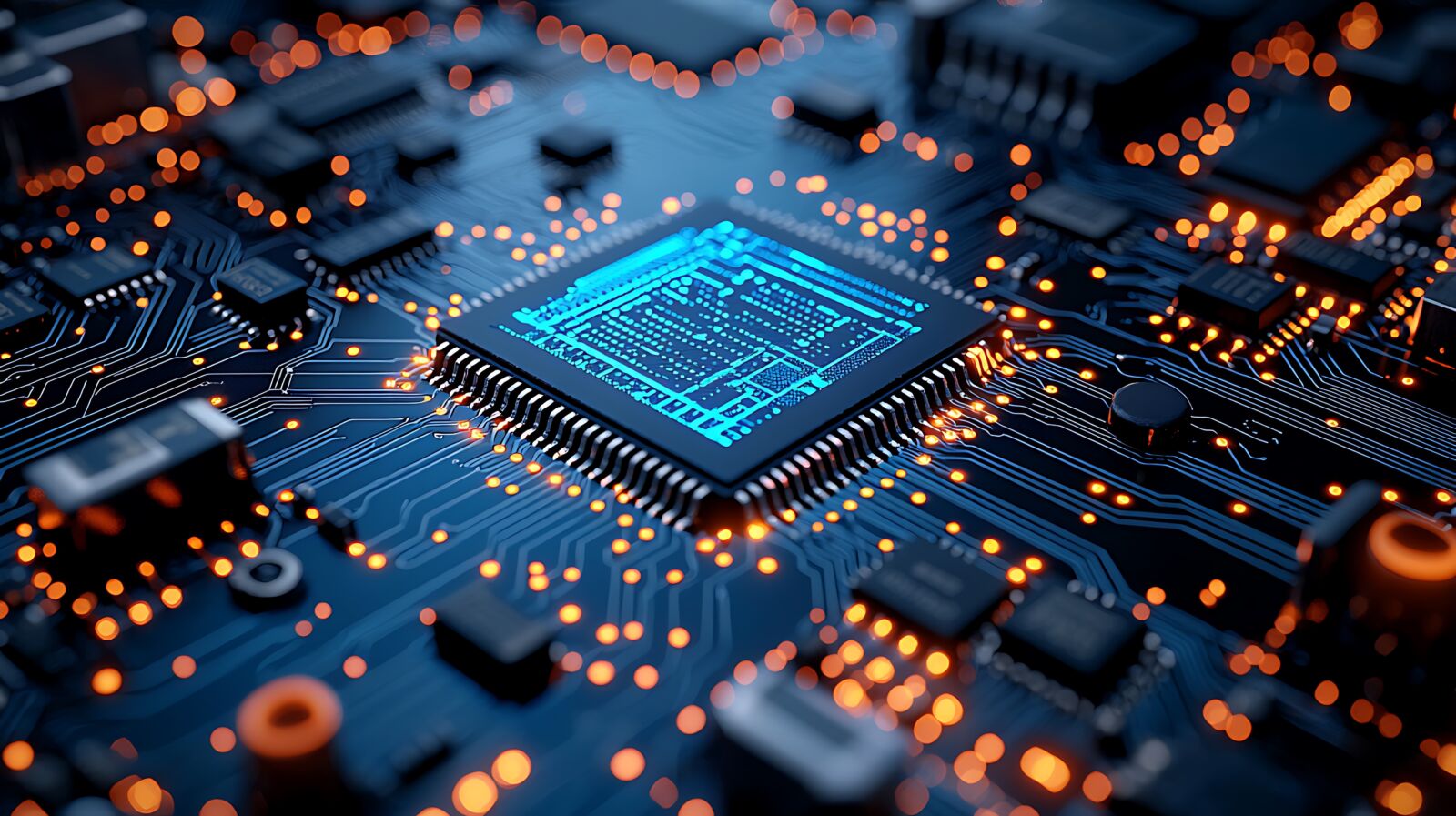
Printed Circuit Board: A PCB could be defined as a non-conductive board that provides mechanical support and connects all electronic components with the help of a conductive pathway. It might also happen from copper. You can find them in almost all possible electronic devices, resulting in a trustworthy and planned way to ascend wire components. Here, it encompasses all simple remote control devices, as well as various types of challenging medical equipment and computers.
Things to Consider When Buying A PCB
Sometimes what sounds simple may require your attention. The same goes when you decide to buy a PCB. There are lots of things that you should consider before deciding to include one in your batch. You should start by checking:
- Layer count
- Manufacturibility
- Component placement possibilities
- Material quality
- Quality control process utilised
- Manufacturer’s certification
Besides these, checking the OSP, HASL, or other surface finish also helps in making a decision. Do not miss to double check if the components used are of good standards and are sourced from a reliable, ongoing supply chain.
LOCAL NEWS: Phoenix housing market outpaces national trends again in 2025
INDUSTRY INSIGHTS: Want more news like this? Get our free newsletter here
PCB Design
People may assume that buying a PCB is simple, and indeed it is, but only when you are careful from the start. Check these things before, and you will never end up buying something unsatisfactory.
- Layer count: Here, both your budget and requirements play an important role, as with every higher layer, the price shoots up.
- Trace spacing and width: Check with the manufacturer to see if they provide the trace space with the desired width you want. If you want to go for tight spacing, remember that it will increase the cost, so it is advisable to opt for straight line segments rather than sharp bends, as they are reliable and budget friendly.
Board thickness: Always look for the board thickness as per your requirements, as both thick and thin boards have their advantages. A thick board is more strong, whereas a thin board offers better space constrained designs.
Component Placement: Presently, several components are there on the market in which components are placed tightly or very near to the board’s edge. Sometimes they are placed too close to each other. In both cases, it may add problems in testing and manufacturing.
Final Surface Finish: You can choose from several surface finish options like OSP, ENIG, or HASL, which might fit ideally in your needs. Remember, immersion finish is costlier than HASL.
Certifications and Materials
RoHS Certifications: Only choose manufacturers who are certified to AS9100D and ISO 9001. Additionally, board standards, such as RoHS or others, should be thoroughly checked to prohibit the use of hazardous substances.
Traceability: Nowadays, the market is packed with PCB manufacturers, but only a few of them provide traceability for all the components used in their products. Remember, it is essential to check the authenticity of the material.
Material Quality: You must be wondering why this has to be checked after complying with so many things! Here, it is essential to note that adherence to and compliance with safety and quality standards play a compulsory role in maintaining safety when using PCB.
Components and Supply Chain
Supply Chain Flow: Always check if the components are readily available throughout or not. In case of any supply chain issues, it becomes tough to use it in the long run.
Choosing the Component: Never opt for the components that come with the tag EOL ( End of Life) or NRND ( Not Recommended for New Designs)
Battle of Cost and Performance: First, start by checking the total cost, which should include all types of potential redesigns, while you decide to evaluate components. If you investigate properly, you will learn that in the long run, higher spec components can save more money.
Quality Control and Compulsory Testing
Quality Testing: Always buy from manufacturers who follow strict quality control channels when it comes to monitoring and measurements. The SMT assembly process should also be checked to gain better results.
Testing: While you look for the right PCB, never miss to check the manufacturers who ensure electrical testing, other testing to control possibilities of errors, and Automated Optical Inspection.
More About PCB
Before you decide to buy a printed circuit board, you need to understand several factors. To start with, you should know about the different types of available PCB components and their corresponding features. You should also know the technical specifications you need to deal with, in addition to intellectual sourcing strategies, which can end up saving your money, time, and unnecessary effort. Also, check with the right supplier and remember to check things that you should not avoid.
The process is easy and can be more simple when you understand exactly what you want to buy.
Understanding PCB Component Types
Buying PCB components may sound like a simple process, but it is a challenging process, as not all components are the same. You should know the difference between them so that you can save yourself from those extra efforts and assembly disasters. Knowledge of things like PCB assembly and other components is important.
Three Important Categories of Components
Most of the components here come under three categories.
Active Components
Diodes, ICs (Integrated Circuits), and transistors fall under this category, which may fall under the label of muscles and brains of any circuit. They are responsible for processing signals, executing logic, and controlling the flow of current.
Passive Components
To start with, it includes inductors, resistors, and capacitors. The best part is that it doesn’t amplify or ever switch signals, but to your surprise, you should know that it laid the foundation for filtering, storing, and shaping energy.
Electromechanical Components
It is responsible for creating physical interaction between the board and the outer world through switches, relays, and connectors.
Before selecting a manufacturer or company from which you wish to buy printed circuit board components, one more thing you need to take proper care of is the way you attach them to the board.
Through Hole vs Surface Mount
You should know by now that there are two ways to attach any component to any board. What you choose here will have a direct effect on your choices.
SMT OR Surface Mount
They are smaller in shape and surprisingly faster when it comes to assembling. They can be considered challenging when working manually.
Through Hole
It is considered easy for prototyping and highly handy in any stressful environment.
To be precise, surface mount is extremely sleek, quite handy, and fast to operate for machines, whereas through hole might be bulky but can be handy.
Finally, never show loyalty towards old parts just because they lasted for a longer, as they no more be supported in today’s world.
Once you understand what you should buy, you should switch to what you should buy. Here are three simple pieces of advice that might help you make a purchase that never fails when it comes to action.
Technical Things to Know Before You Buy a PCB
By now, one thing must be clear to you: specifications really matter. One wrong selection might disturb the work and the budget simultaneously. Do the groundwork properly before buying them.
Electrical Ratings- Something That Matters The Most
Start with the basic steps. Make sure that no component should fail to fit in the electrical demands of the circuit. Here, you should check how it works in the real world instead of what is mentioned about it in the paper. Check these things before proceedings:
Present Capacity: Here, you need to check the continuous current experience it offers, not just its peak tolerances.
Voltage Rating: The expected voltage performance should be greater by at least 20% of any selected components.
Power rating: Resistors, inductors, and all other parts are supposed to behave while dissipating the quantity of heat they generate.
Tolerance: Close enough is something which you should never consider while choosing a PCB. Tight tolerance can be supportive or destructive in analogue and RF applications.
Underrated components can never be as good as they initially function well, but under pressure, they may fail to perform effectively. In an adverse situation, you may end up replacing more than one part.
Durability and Heat- Something Essential For The Real World
Real components behave is not assumed only on their actions when they are non active, it is more for how they are functioning. If you experience that your board is generating more heat, or sits outdoors, you can expect the parts of it to wear out more quickly than normal.
To surpass your selection, check the thermal considerations through thermal resistance or RθJA or RθJC values. You must be looking for components that dissipate heat effectively, especially when it comes to power supply sections or even near processors.
Major strategies that include thermal and mechanical resilience are as follows:
- Using open copper areas or thermal vias to help when it is about heat dissipation.
- Spacing out completely high draw components.
- Selecting the right industrial-grade component for use in environments exposed to temperature, vibration, and impact.
Sometimes, you may find consumer-grade parts at significantly lower rates than those available on the market, but if they fail to meet your requirements, you may end up paying a higher price than the component itself to repair it.
Lifecycle and Compliance- Don’t Fall For Off-Guard
Some lifecycle issues might erupt if you fail to use it correctly. You need to ensure that your components work in the long run, and hence take care of the following things.
- Check the compliance of the component with REACH, RoHS, and any other applicable standards.
- Do not buy parts that are tagged as EOL or End of Life and NRND or Not Recommended for New Designs.
- Using Octopart or other manufacturing tools to confirm the supply chain and availability stability.
Learning that IC is not functioning properly can be disheartening and might restrict production. Stick to the component that matches your layout, design, fits the field, and lasts in the long run.
How to Select the Right PCB Component Supplier?
Selecting a PCB components vendor may be challenging, but it can be helpful if you know these factors:
- The vendor should provide authentic and complete datasheets with the lifecycle information of it.
- They have strong stock visibility with transparent lead times.
- They have good inventory and offer guarantees and return policies.
Completely avoid unclear branding and too cheap offers. Choose one that might handle the real time stances.
Plan For A Long Term
Practice these habits, which will help to make these components more efficient.
- Keep a detailed bill of purchase that includes every detail, such as product number, pricing, guarantee card, sourcing notes, alternatives, and more.
- Choose a reliable source to buy from.
Wrapping Up- Offering Simple Steps for Selecting the Right PCB
If you know what kind of product might be helpful for you, you can go for the right vendor. Remember, this selection may be very important as it might make or break the entire function. You should never miss durability, long term viability, and ultimate performance, which are delivered by it for better results.