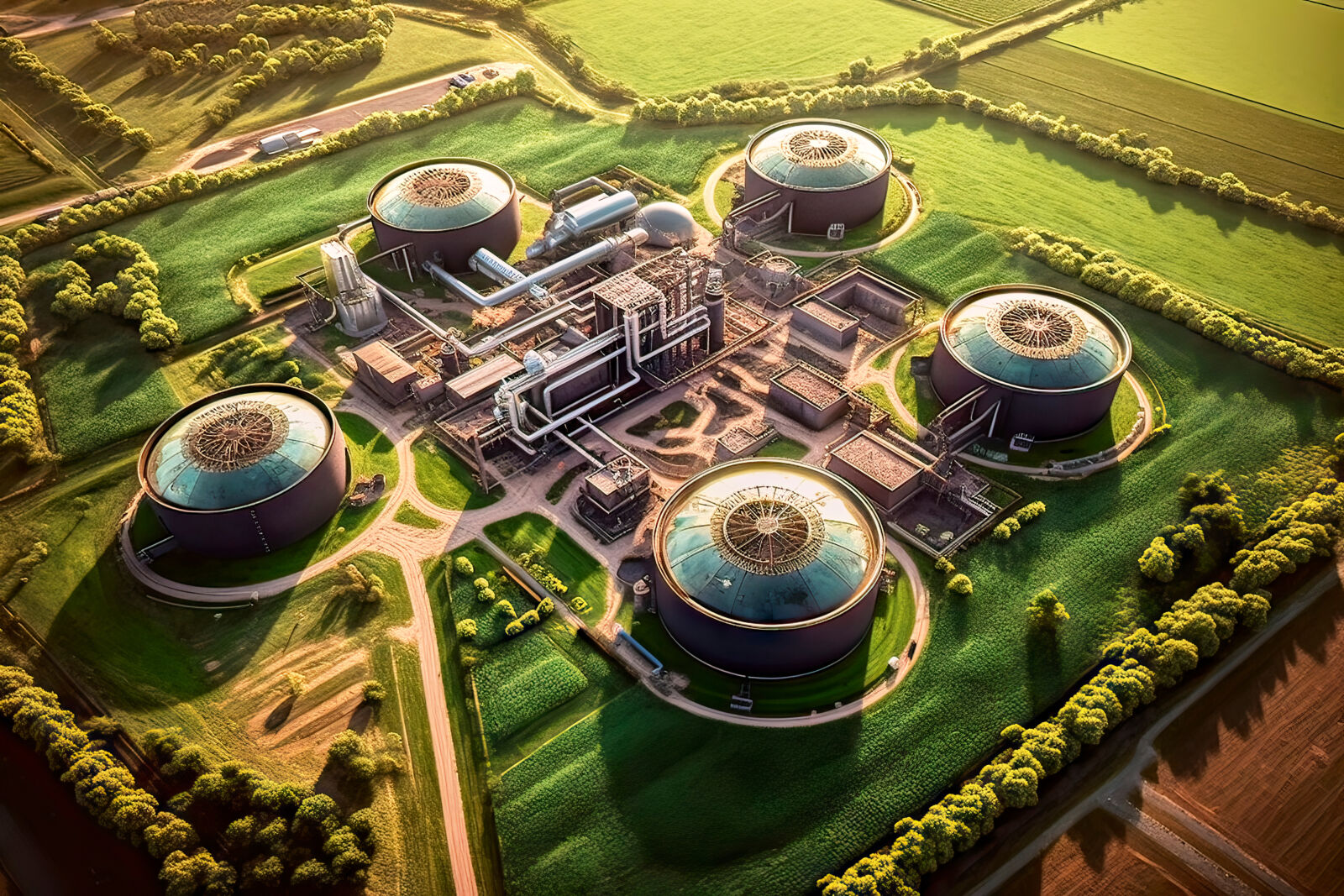
Biogas digesters have always been a great asset for producing clean and sustainable energy. They turn daily-life wastes into useful energy, reducing waste management concerns.
They are used in a range of areas, including agricultural operations, municipalities, industrial facilities, local communities, and households with no access to conventional energy.
If you’re not familiar with biogas digesters, how they convert organic waste into usable energy, or their benefits, this piece will share it all.
What is a Biogas Digester?
A biogas digester is a sealed system with a controlled environment where organic materials are broken down.
The procedure happens in the absence of oxygen, thus called anaerobic digestion. In this, natural microorganisms turn waste into biogas and nutrient-rich byproducts.
Since the system is sealed, methane can’t escape into the atmosphere. Instead, it’s captured and utilized in other areas.
The most common organic materials biogas digesters can process are:
- Agricultural waste (straw, crop residue, manure)
- Food scraps from domestic and commercial kitchens
- Sewage sludge
- Animal manure
The materials with the most fats, proteins, and carbohydrates generate maximum biogas.
The Anaerobic Digestion
The biogas digester first begins anaerobic digestion. This happens in 4 consecutive stages.
In the first stage, hydrolysis, carbohydrates, proteins, fats, and other complex organic materials are broken down into simple compounds like amino acids, fatty acids, and sugar.
In the second stage, acidogenesis, the simple compounds are converted into alcohols, organic acids, carbon dioxide, and hydrogen.
It’s followed by acetogenesis when organic acids are converted into acetic acid, carbon dioxide, and hydrogen. This stage develops the perfect environment to support microbes that produce methane.
The last stage is methanogenesis, when methanogenic bacteria create methane-packed biogas from acetic acid and hydrogen.
DEEPER DIVE: How to utilize philanthropic efforts to boost your bottom line
LOCAL NEWS: 100 best places to work and live in Arizona for 2025
Biogas Collection and Storage
While the organic waste at the bottom of the digester undergoes all four stages of anaerobic digestion, it produces biogas, accumulating it towards the top. This is primarily a mixture of methane and carbon dioxide with some trace amounts of other gases.
The sealed digester ensures the gas doesn’t leak out into the atmosphere. It collects the biogas and stores it temporarily in gas holders. Certain places have the setup to transfer the gas to energy systems. Biogas must be stored under ideal pressure to use it efficiently and safely.
Biogas to Reusable Energy
After collecting biogas, it is converted into more useful forms of energy listed below:
- As a replacement for traditional fuels: Used in direct combustion for heating and cooking in rural and agricultural areas and for industrial activities.
- To generate electricity: Combined heat and power systems use biogas to produce electricity and heat, offering high energy efficiency.
- To produce biomethane: When purified further, biogas forms biomethane, a gas with a much higher methane concentration. It can be used as vehicle fuel or injected into natural gas grids.
Usefulness of the Byproduct
After the anaerobic digestion, biogas digesters form a byproduct called digestate. The material is packed with nutrients, like phosphorus, potassium, and nitrogen, and serves as a brilliant fertilizer.
Digestate can replenish the health of agricultural soil that has been stripped of its nutrients. Thus, it diminishes dependence on chemical fertilizers.
By using digestate for this instead of dumping it, it also makes waste management easier and supports agricultural sustainability.
Benefits of Biogas Digesters
1. Reduced Methane Content in the Atmosphere
Instead of using a biogas digester, if you dump all wastes in the open or in a random container, methane will enter the atmosphere.
Biogas digesters effectively capture toxic methane and prevent it from reaching the open environment. Methane is much more harmful than carbon dioxide. The powerful greenhouse gas can severely impact the Earth’s environment.
2. Minimal Landfill Waste and Odour Issue
If you let industrial wastes and agricultural manure degrade in the open landfills, it creates unbearable odour, making the surrounding space uninhabitable. Inhaling the gases can cause serious health concerns. Further, the wastes can even seep into the soil and nearby water sources, contaminating everything.
But if you install a biogas digester, you will have a dedicated space to dump waste. The odour will be minimized. There will be much lower chances of water and soil contamination.
3. Renewable Form of Energy and Minimal Energy Cost
You can produce renewable forms of energy from biogas on the site for the entire community. This reduces dependency on fossil fuels.
It also saves money on buying fuel, which is becoming more expensive each passing day. You can sell the excess energy to the grid, adding new revenue streams.
Conclusion
Biogas digesters give you access to renewable energy, improve waste management, offer chemical-free fertilizers, and protect the environment from toxins. So, consider investing in one and enjoy its benefits.