A family-owned plumbing company in High Point, North Carolina competes with private equity rollups by doing what a spreadsheet cannot: answering its own phone 24/7, keeping the same technicians on the same streets for years, and backing every job with a no-fix, no-pay promise. Speed, trust and accountability beat marketing budgets at the local level.
Few companies show this better than All-Star Plumbing of the Triad, a father-and-son shop that has served Guilford County since 2007. Readers who want to see how the business runs day to day can look up All Star Plumbing on North Main Street in High Point, where the company has built its reputation one service call at a time.
Key Takeaways
- Private equity firms have bought roughly 800 HVAC, plumbing and electrical companies across the U.S. since 2022.
- Most home services businesses are still independent, so the local battle is far from over.
- Family-owned shops win on response time, technician continuity and direct owner accountability.
- A clear guarantee builds more trust than a large ad budget.
- Arizona trade owners facing the same buyout wave can use the same playbook.
What Is a Private Equity Rollup in Home Services?
A rollup is a buy-and-build strategy. An investment firm buys one large “platform” company, then adds dozens of smaller local businesses to it. The goal is scale: shared call centers, shared marketing and one set of back-office systems.
Home services became a prime target because the industry is so fragmented. Thousands of small plumbers, HVAC techs and electricians serve their own towns, and each one is a possible add-on.
| Data point | Figure | Source |
|---|---|---|
| Trade companies bought by PE since 2022 | About 800 (HVAC, plumbing, electrical) | Wall Street Journal and PitchBook |
| Add-ons by one platform in 2025 | About 60, bringing it to nearly 300 businesses | CT Acquisitions |
| Share of PE-backed deals in HVAC services | About half, up from roughly a third a year earlier | Capstone Partners |
Arizona readers know this pattern well. Several of the largest platforms operate heavily across the Sun Belt and the Southwest, where population growth keeps service demand high.
Why Are Investors Buying Plumbing Companies Right Now?
Plumbing work does not disappear in a slow economy. Water heaters fail, drains clog and sewer lines crack whether interest rates are up or down. That steady, repeat demand is exactly what investors want.
Three factors drive the buying spree:
- Recurring revenue. Maintenance plans and repeat customers make income predictable.
- Cross-selling. A platform with HVAC, plumbing and electrical under one brand can sell a customer three services instead of one.
- Retiring owners. Many founders who started shops in the 1980s and 1990s are ready to exit, and a buyer with cash is waiting.
For a founder with no successor, selling can be the right call. The question for everyone else is how to stay independent and still grow.
How Does a Rollup Change Things for Homeowners?
Not every change is bad. Platform ownership can bring newer trucks, better software and more training budget. But homeowners often notice a shift in how the company feels.
| Area | Typical rollup platform | Family-owned local shop |
|---|---|---|
| Who answers the phone | Central call center, often out of state | Local staff or the owners |
| Who shows up | Rotating technicians across a metro | Same small crew, same neighborhoods |
| Decision-making | Corporate policy and sales targets | Owner judgment on each job |
| Accountability | Regional manager or support ticket | The family name on the truck |
| Brand history | Local name kept, ownership changed | Same owners since day one |
The biggest difference is who carries the risk of a bad job. In a family shop, a poor repair lands directly on the owner’s reputation in their own town.
What Does a Family-Owned Plumber in High Point Do Differently?
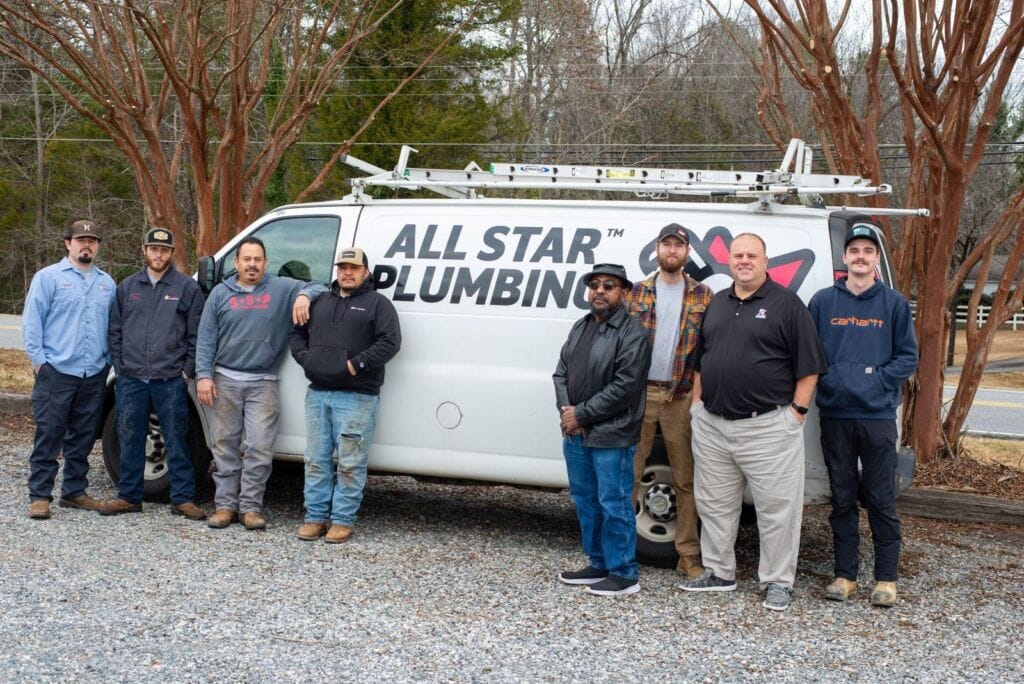
All-Star Plumbing is a useful case study because it competes in the Piedmont Triad, a region with fast growth and plenty of well-funded competition. Its model rests on a few simple commitments.
- A real person answers 24/7. Calls do not route to a voicemail tree or a remote center.
- Same-day service is the goal. The team aims to reach customers the day they call.
- Upfront recommendations. Customers hear what the problem is and what the options are before work starts.
- Written warranties. Repairs and replacements come with warranties in writing.
- A no-fix, no-pay promise. If the crew cannot fix it, the customer does not pay.
The company is licensed, bonded and insured, and its father-and-son team brings more than 100 years of combined experience. None of these commitments requires outside capital. They require discipline and owners who stay close to the work.
Can a Small Shop Match a Platform on Speed?
Speed is where independents often win outright. A platform may have more trucks across a metro, but dispatch runs through layers of scheduling software and call scripts.
A local shop that knows its territory can move faster. When the owners know which streets have older cast iron sewer lines or which subdivisions share the same water heater models, diagnosis starts before the truck even arrives.
Emergency plumbing proves the point. A burst pipe at 2 a.m. is not a sales opportunity to a family business. It is a neighbor with a flooded kitchen, and the response reflects that.
Why Do Guarantees Beat Marketing Budgets?
Platforms can outspend independents on ads, and they usually do. But paid clicks only bring a customer to the door once. What brings them back is whether the job held up.
A strong guarantee does three jobs at once:
- It lowers the customer’s risk of trying a smaller company.
- It forces the business to do the work right the first time.
- It turns satisfied customers into referrals and reviews.
For a family-owned plumber, reviews and word of mouth work like compound interest. Every good job in High Point, Jamestown or Archdale makes the next call easier to win, without a new ad dollar spent.
How Do Independents Hire and Keep Technicians?
Labor is the hardest part of the trades right now. Platforms can offer signing bonuses and big benefits packages, which puts pressure on smaller shops.
Family businesses compete differently. They offer stability, a direct line to the owner and a clear path to mastering the craft. Technicians who want to learn from experienced plumbers, not just hit a daily ticket quota, often choose the smaller shop.
Continuity also helps customers. When the same technician returns to the same home year after year, they already know the plumbing layout, the past repairs and the homeowner’s preferences.
What Can Arizona Business Owners Learn From the High Point Model?
Arizona’s trade owners are fielding the same buyer calls. Phoenix, Tucson and the fast-growing East Valley suburbs are active markets for rollup platforms. The High Point approach offers a practical checklist for owners who want to stay independent:
- Own your phone line. Make sure a real person answers, day and night.
- Put the guarantee in writing. Specific promises beat vague claims.
- Stay local on purpose. Serve a defined area well instead of chasing every ZIP code.
- Invest in the crew. Retention is cheaper than recruiting.
- Keep the family name visible. Accountability is a selling point, not a weakness.
Staying independent is not about refusing to change. It is about choosing which advantages to keep.
Frequently Asked Questions
Why are private equity firms buying plumbing companies?
Plumbing offers steady, repeat demand that holds up in most economic conditions. Investors also value the ability to combine plumbing with HVAC and electrical services under one brand. The industry is fragmented, so there are many small companies available to acquire.
Is a private equity-owned plumber worse than a family-owned one?
Not always. Platforms can bring better equipment and training. The difference homeowners usually notice is who answers the phone, who shows up and who is accountable when something goes wrong.
How can I tell if a local plumbing company is still family-owned?
Check the company’s About page and its state license record. Look for named owners who have run the business for many years. You can also simply ask when you call.
What should homeowners look for when choosing a plumber?
Look for a valid state license, proof of insurance, written warranties and a clear guarantee. Reviews that mention the same technicians by name are a good sign of a stable, local team.
Independence Is a Strategy, Not a Holdout
The rollup wave will keep moving through the trades. But the companies that stay independent are not simply the ones nobody bought. They are the ones that built something a buyer cannot easily copy: local trust, fast response and owners who answer for every job.
About All Star Plumbing
All-Star Plumbing of the Triad is a family-owned, father-and-son plumbing company serving High Point and the Piedmont Triad 24/7. The team handles leaks, drains, water heaters, well pumps, gas lines and sewer lines, and stands behind its work with written warranties.
- Business name: All Star Plumbing
- Address: 4003 North Main Street, High Point, NC 27265
- Phone: (336) 462-1080
- Website: https://allstarplumbing.co/
- Email: josh@allstarplumbing.co
- Hours: Open 24 hours, 7 days a week
- Owner: Joshua Davis
- NC plumbing license: 15130
- In business since: 2007
- Google Business Profile: https://share.google/tLQDDEoOrJJy5wj6i
- Service areas: High Point, Advance, Archdale, Bermuda Run, Burlington, Clemmons, Colfax, Elon, Gibsonville, Graham, Greensboro, Jamestown, Kernersville, Lewisville, McLeansville, Oak Ridge, Pfafftown, Stokesdale, Summerfield, Trinity, Wallburg, Whitsett and Winston-Salem