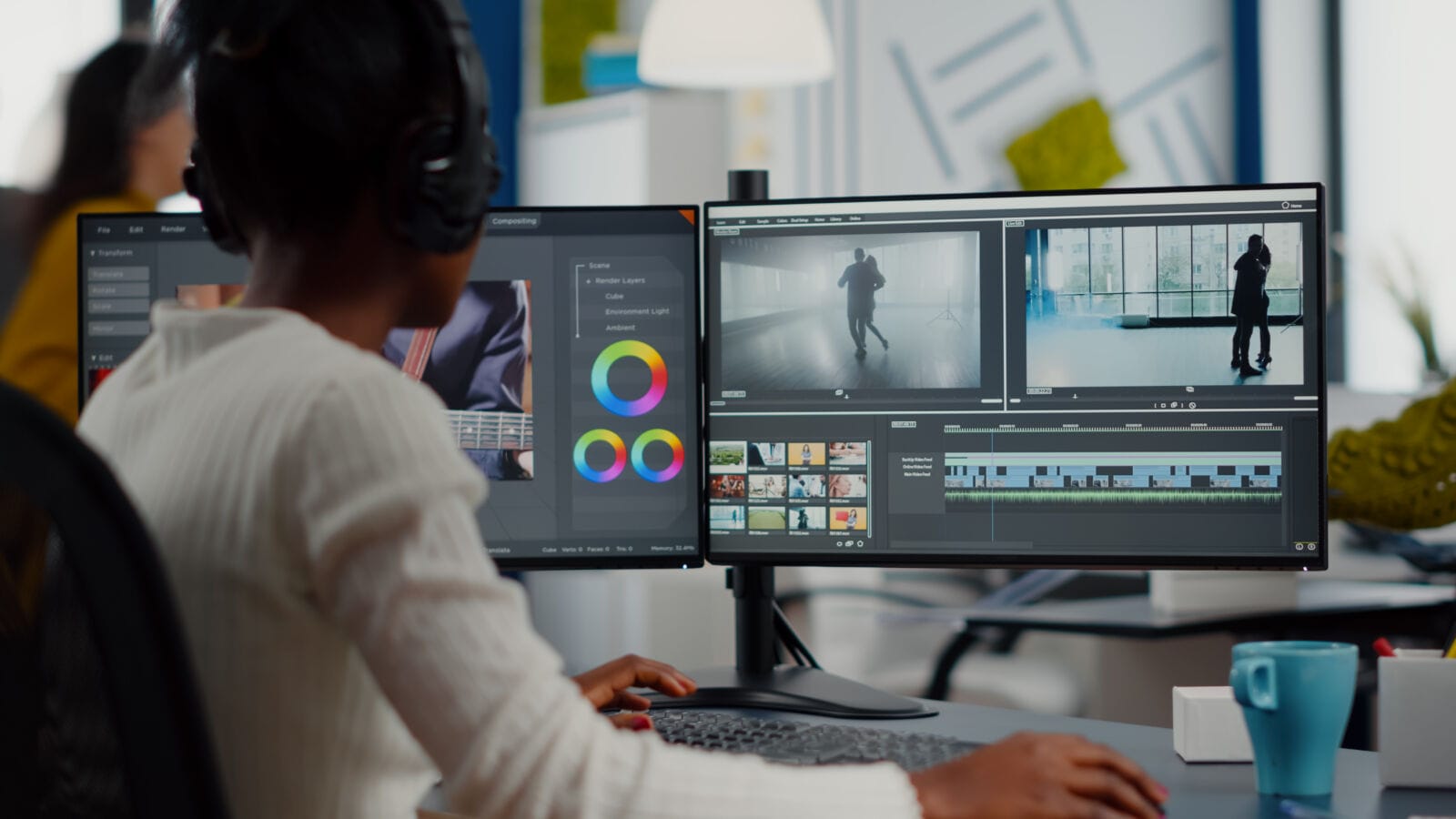
For small businesses, video marketing presents both an opportunity and a challenge. Short-form videos can introduce products, demonstrate services and help brands connect with customers, but producing a steady stream of original content requires time, creative resources and careful planning.
AI video cloning is emerging as an alternative for businesses that want to experiment with different creative concepts without rebuilding every video from the ground up. By adapting selected visual elements while preserving aspects of an original clip’s movement and timing, these tools can help marketing teams explore new ways to present products and ideas.
Platforms such as CloneCut AI, a viral video cloning tool, allow users to recreate video concepts by replacing people, products, objects or backgrounds while retaining the reference video’s motion and timing. For advertising-focused projects, AI Ad Maker offers an ad clone video feature that supports the adaptation of existing advertising concepts.
For small businesses and growing brands, the real opportunity is not simply generating more videos. It is developing a repeatable creative process that balances production efficiency, audience relevance and responsible use of AI.
Why Video Repurposing Matters for Business Growth
Many businesses face the same production challenge: one video is rarely enough to support every marketing objective.
A product demonstration may work well on a website but need a different visual approach for a social media campaign. A retailer may want to present the same product in several settings, while a startup may need multiple creative concepts before deciding which direction best communicates its value proposition.
Traditional video editing can address these needs, but creating every variation manually can require additional filming, editing and coordination.
AI-assisted video cloning offers another option. Businesses can begin with suitable reference footage and explore selected changes to its visual presentation. Depending on the source material and the tool’s capabilities, this may reduce the effort involved in producing early creative variations.
The approach can be particularly useful for small marketing teams that need to test ideas before committing to a larger production project. However, the quality of the source video, the complexity of the scene and the accuracy of the generated output all influence the final result.
Three Ways Businesses Can Use AI Video Cloning
1. Test Different Product Presentations
E-commerce businesses often need to present the same product in different visual contexts. A home accessory, for example, might be shown in a minimalist interior, a family living space or a more premium setting.
Instead of producing entirely separate videos for every concept, marketers can explore whether an existing clip can serve as the foundation for alternative presentations.
CloneCut AI is designed for this type of visual transformation. Its workflow focuses on recreating video concepts while replacing selected elements and retaining the original movement and timing.
The resulting variations can help a team compare creative directions and determine which presentation best fits its target audience. Before publication, however, the business should verify that the product’s appearance, dimensions, colors and features remain accurate.
2. Explore Advertising Creative Variations
Advertising teams frequently need to develop new concepts for different products, campaigns and audiences. An existing advertisement can sometimes provide a useful structural reference, particularly when its pacing or visual sequence communicates an idea effectively.
AI Ad Maker includes an ad clone video feature for advertising-oriented workflows. This can give marketers another way to explore adaptations of existing video concepts rather than treating every campaign as a completely new production.
For example, a business launching a new consumer product might explore different visual presentations based on a suitable reference advertisement. The team can then evaluate whether the revised concept communicates the product’s benefits clearly and whether its creative direction matches the campaign objective.
The important distinction is that adapting a video concept does not guarantee better advertising performance. A successful campaign still depends on the product, offer, audience, message and distribution strategy.
3. Create More Flexible Social Media Content
Social media channels reward consistent publishing, but consistency should not mean repeatedly posting nearly identical videos.
Businesses can use AI-assisted transformations to explore different visual treatments for product introductions, demonstrations and promotional concepts. These variations may help a team develop content suited to different campaign themes without starting every project from a blank timeline.
For example, a small retailer could test several visual approaches for a seasonal promotion, while a service business might adapt a suitable reference clip to communicate different aspects of its offering.
Each version should have a clear purpose. Changing a background or object simply to create another video adds little value if the content does not answer a customer question or strengthen the marketing message.
How to Build a Practical AI Video Workflow
Businesses do not need to transform their entire production process at once. A structured workflow can help them assess whether AI video cloning is useful for their needs.
Start with a defined marketing goal. Decide whether the video should introduce a product, explain a feature, attract attention or encourage a purchase. The objective determines which visual elements are worth changing.
Choose suitable reference footage. Look for a clip with clear movement, a coherent subject and a visual structure that supports the intended message. Confirm that you have permission to use and modify the source material.
Make targeted changes. Begin with the elements that matter most to the concept, such as the featured object or background. Excessive transformations can make the result less coherent or introduce inconsistencies.
Review the generated video carefully. Check for distorted objects, unnatural movement, inconsistent lighting, visual artifacts and inaccurate product details. Pay particular attention to frames where the subject moves or interacts with other objects.
Test performance against a clear objective. Depending on the campaign, businesses might measure click-through rate, qualified leads, conversions or cost per acquisition. Where possible, compare creative variations under similar conditions to understand whether the change contributes to the intended outcome.
This approach allows businesses to evaluate AI video cloning as part of a broader marketing strategy rather than assuming that faster production automatically leads to better results.
Finding the Right Balance Between Automation and Creativity
AI video cloning is most useful when it supports a clear creative objective. It can help businesses explore visual alternatives, repurpose suitable footage and develop advertising concepts more efficiently, but it cannot replace an understanding of customer needs or a well-defined brand strategy.
CloneCut AI provides a video recreation workflow centered on transforming selected elements of reference videos. AI Ad Maker offers an advertising-oriented option through its ad clone video feature. Businesses evaluating either platform should consider their intended use case, output quality, available controls and usage terms before incorporating it into a regular production process.
Ultimately, effective video marketing is not about producing the largest possible number of clips. It is about creating content that communicates a genuine value proposition, earns audience attention and supports measurable business goals.
When paired with thoughtful creative decisions, careful quality control and responsible use of source material, AI video cloning can become a practical addition to the modern small-business marketing toolkit.