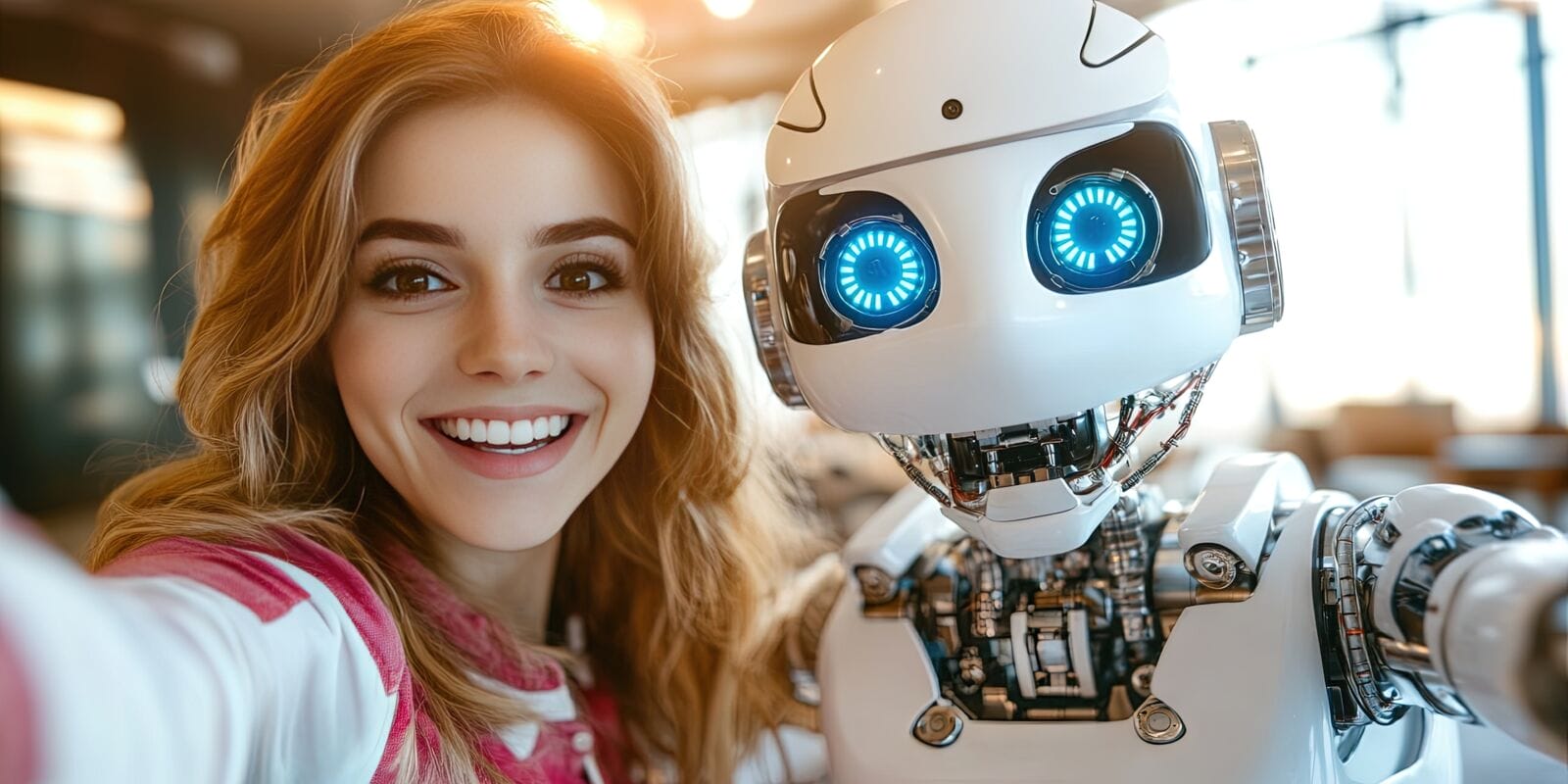
Digital celebrities are becoming an important part of online entertainment, social media, and brand communication. Artificial intelligence is changing how these virtual personalities are created, presented, and connected with audiences. Unlike traditional celebrities, digital personalities can maintain an online presence without depending on physical appearances or busy schedules. They can participate in promotional campaigns, publish engaging content, and interact with followers. As technology advances, artificial intelligence is shaping the future of digital celebrities by creating new opportunities for creators, businesses, and audiences across different digital platforms.
This article covers virtual celebrity creation, AI-powered personalities, audience engagement, brand partnerships, content production, and the future of digital entertainment.
Digital Celebrities Are Becoming a New Part of Online Culture
Social media has changed how people follow celebrities and interact with public personalities. Earlier, audiences mainly followed actors, musicians, models, and content creators. Today, virtual personalities are gaining attention through carefully designed appearances, fictional backgrounds, and regular social media activities.
These digital celebrities are created using artificial intelligence, computer-generated imagery, and character design technologies. Their personalities, appearances, voices, and communication styles can be developed according to a particular audience or content theme.
Unlike human influencers, virtual personalities can maintain consistent appearances across different campaigns. Their creators can also plan their online activities without coordinating physical photoshoots or recording sessions.
Similarly, digital celebrities can build recognizable identities through regular posts, audience conversations, and creative storytelling. This makes them an interesting addition to the modern entertainment industry.
AI Technology Is Changing How Virtual Personalities Are Created
Creating a digital celebrity once required advanced animation knowledge, professional design software, and considerable production resources. Artificial intelligence has made several parts of this process more accessible.
Modern creative tools can generate realistic faces, clothing styles, backgrounds, and visual scenes. Creators can also develop distinct personalities and communication styles to make their virtual characters more recognizable.
An AI influencer generator can help creators produce virtual personalities with specific visual characteristics and presentation styles. This gives content creators greater control over the appearance and identity of their digital celebrities.
Several elements contribute to creating a recognizable virtual personality:
- Visual identity: Facial features, hairstyles, clothing, and overall appearance establish a consistent image.
- Personality development: Communication style, interests, and fictional backgrounds give the character a distinct identity.
- Content planning: Regular posts and creative themes help maintain audience interest.
- Voice and communication: AI-generated voices and conversational systems can make interactions feel more natural.
Of course, a convincing digital celebrity requires more than an attractive appearance. Consistency, creativity, and a recognizable personality are equally important.
Virtual Celebrities Are Building Stronger Audience Connections
Audience engagement is an important part of every successful digital personality. People generally follow creators because they enjoy their content, communication style, and online presence.
AI-powered personalities can support this connection through interactive conversations and personalized responses. Their creators can develop communication patterns that match the character’s personality and intended audience.
Character-based conversations also give followers opportunities to participate in fictional situations and storytelling. For instance, character AI roleplay can create interactive experiences where users communicate with virtual personalities through imaginative conversations.
In comparison to traditional social media posts, these experiences offer more direct participation. Audiences are not simply watching content; they can also contribute to conversations and fictional scenarios.
However, genuine audience trust remains important. Digital celebrities should be presented transparently as virtual creations rather than misleading followers into believing that they are real people.
Brands Are Finding New Opportunities With AI Influencers
Businesses are also paying attention to virtual celebrities because they offer different possibilities for digital marketing. A virtual influencer can represent a fashion label, introduce a product, participate in a promotional campaign, or become the recognizable face of a brand.
Similarly, companies can maintain a consistent visual identity across multiple promotional activities. They can plan campaigns around a character’s personality and content theme without depending on the availability of a human spokesperson.
Some important opportunities for businesses include:
- Fashion promotion: Virtual models can present clothing, accessories, and styling concepts.
- Product campaigns: Digital personalities can introduce products through social media content.
- Entertainment partnerships: Fictional celebrities can participate in creative storytelling campaigns.
- Brand recognition: Consistent characters can help businesses develop recognizable online identities.
Despite these opportunities, brands need to consider audience expectations. Clear disclosure about AI-generated personalities and promotional partnerships can help maintain credibility.
Short-Form Content Are Changing Digital Entertainment
Short-form videos have become an important part of social media communication. Audiences enjoy quick entertainment, visual storytelling, fashion presentations, and creative videos that can be watched within a short period.
AI-generated video technology makes it easier to produce content around virtual celebrities. Creators can develop different scenes, experiment with camera movements, and present their characters in multiple settings.
AI reels can also give digital personalities a consistent presence across video-focused social platforms.
Meanwhile, AI-powered editing tools can assist with:
- Creating animated character movements.
- Generating backgrounds and visual effects.
- Producing short promotional videos.
- Adding voiceovers and synchronized dialogue.
- Developing different versions of existing content.
These capabilities provide creators with more flexibility in their production process. Nevertheless, good storytelling and original ideas remain essential for producing videos that audiences genuinely enjoy.
Secrets AI Is Contributing to AI-Powered Digital Experiences
The growth of virtual personalities has also increased interest in AI companion experiences and interactive character platforms. People are looking for digital environments where conversations, fictional personalities, and personalized interactions come together.
Secrets AI is part of this developing space, providing an AI-focused experience centered on virtual personalities and interactive content.
For creators and audiences interested in AI-generated characters, these experiences demonstrate how artificial intelligence can extend beyond static images and social media posts.
Digital personalities can have different communication styles, fictional backgrounds, and visual identities. Consequently, AI companion platforms offer another perspective on how people may interact with computer-generated characters.
As this technology develops, the connection between virtual entertainment and interactive communication may become increasingly important.
Challenges That Digital Celebrity Creators Need to Consider
Although AI technology provides several creative opportunities, building a successful virtual celebrity also comes with responsibilities.
Creators need to pay attention to authenticity, intellectual property, privacy, and audience expectations. A digital personality may look realistic, but its presentation should never create unnecessary confusion about whether it represents a real person.
Some important considerations are:
- Transparency: Audiences should know when a personality or image is AI-generated.
- Privacy: Personal information shared during interactive conversations should receive appropriate protection.
- Copyright: Creators should respect ownership rights when developing character designs, voices, and visual material.
- Content responsibility: Virtual personalities should follow appropriate content standards.
- Consistency: Changes in appearance or personality should be managed carefully to maintain a recognizable identity.
Admittedly, these challenges require attention, but responsible practices can support long-term audience relationships.
What the Future Holds for Digital Celebrities
Digital celebrities are likely to become more interactive, visually realistic, and adaptable as artificial intelligence technology progresses.
Future virtual personalities may communicate through more natural voices, respond to different audience preferences, and participate in increasingly sophisticated digital experiences.
Likewise, improvements in animation and video generation may allow creators to produce more detailed virtual performances without requiring extensive production teams.
Businesses may also develop their own digital ambassadors for marketing, entertainment, and customer communication.
However, human creativity will continue to matter. A virtual celebrity still needs an interesting personality, meaningful content, and a recognizable identity to attract a loyal audience.
Conclusion
Artificial intelligence is changing digital entertainment by making virtual celebrities easier to create, manage, and present across social platforms. From AI-generated personalities and interactive conversations to brand promotions and short-form videos, these technologies are creating new creative opportunities. Secrets AI also reflects the growing interest in personalized virtual experiences. However, transparency, privacy, and original storytelling remain essential for building audience trust. As technology progresses, digital celebrities may become an increasingly familiar part of online culture, offering creators and businesses new ways to connect with audiences.