
How business leaders prioritize cuts when budgets shrink
When revenue drops and cash reserves tighten, business leaders face hard choices about where to cut and what to protect. This article compiles practical strategies from executives and industry experts who have guided their organizations through budget contractions. The following insights reveal how leaders across sectors make trade-offs between growth ambitions and operational survival.
DEEPER DIVE: Abandoned North Phoenix project gets new life as $190 million sports complex
INDUSTRY INSIGHTS: Want more news like this? Get our free newsletter here
- Favor Compound Returns and Halt Vanity Campaigns
- Fund Revenue Work and Suspend the Rest
- Sustain Primary Inventory and Delay Territory Reach
- Cull Dead Branches and Anchor on Retention Drivers
- Guard Current Customers and Defer Experimental Expansions
- Fortify On-Safari Essentials and Pivot Toward Partnerships
- Guarantee Risk Controls and Target Manager Huddles
- Bolster Education and Stagger Fleet Additions
- Safeguard Homeowner Support and Scrap Conferences
- Emphasize Seaworthiness and Batch Maintenance in Shipyard Blocks
- Defend Critical Quality and Triage Secondary Work
- Protect Game-Day Atmosphere and Streamline Menu Choices
- Cancel Weak Mandates to Preserve Delivery
- Secure Core Service and Simplify VMI Rollout
- Uphold Clinical Oversight and Drop Optional Wellness
- Center Therapy Sessions Over Expansion
- Ensure User Experience and Accelerate Key Match Speed
- Honor Client Care and Owner Takes the Hit
- Postpone Undelivered Contracts and Use Fractional Specialists
- Harden Network Infrastructure and Shelve Optics-Driven Projects
- Shield Essential Workflow and Narrow Channel Footprint
- Prioritize Flagships and Repurpose Creative Across Markets
- Preserve Hands-On Instruction and Extend Release Cycles
- Narrow Project Scope and Elevate Accountability and Clarity
- Freeze New Hires and Maintain Growth Budget
- Eliminate Frills and Back Credible Experts
- Retain Skeleton Versions to Keep Momentum
- Consolidate Meetings and Favor Measurable Outcomes
Favor Compound Returns and Halt Vanity Campaigns
When budget tightened on us mid-year last year, I forced the team to stop asking “what can we afford to cut?” and start asking “what is still compounding value six months from now?” That reframe changed every decision. A paid campaign stops the day you stop paying. A piece of content ranking for a buyer-intent query keeps working for two years. Same dollar, completely different shape of return. So we ranked every active project against two filters in a shared doc called “Q3 Compounding Audit”: does this keep producing value after we stop funding it, and can we measure that value within 90 days? Anything that failed both became a candidate for pause, regardless of how much work had gone in or how attached anyone was to it.
The hardest call was pausing a LinkedIn brand awareness push we’d already invested three months in — visible work, the kind a team is proud of. We kept the technical SEO and content systems that were quietly driving qualified demand, even though that work was less exciting to talk about in standups. To protect the team from feeling punished for the cuts, I wrote the logic down: here is what we’re protecting, here is why, here is what we’re pausing, and we revisit on January 15. People burn out from ambiguity, not from doing less. Naming the framework out loud removed the ambiguity. Six months later, organic-sourced pipeline was up roughly 22% QoQ, and the paused brand program came back online with a sharper brief than it had the first time.

Fund Revenue Work and Suspend the Rest
The framework I use when budget tightens mid-year: protect revenue-generating activity first, pause brand-building second, cut internal overhead third. In that order, without exception.
The tradeoff that preserved impact most clearly was at Bacon, my digital marketing agency, during a period where client revenue contracted faster than costs. The instinct was to scale back on everything proportionally – a little less of everything across the board. That approach protects nothing and demoralizes everyone because every project feels underfunded simultaneously.
Instead we made hard choices: three client campaigns got full resource allocation, two got paused with honest client conversations about why, and all internal marketing and business development activity stopped entirely. The team knew exactly which work mattered and directed full energy there rather than spreading thin across everything.
The burnout protection came from the clarity, not the workload reduction. People burn out from ambiguity and context-switching more than from intensity on focused work. Telling the team exactly what we were protecting and why gave them a reason to push hard on the right things rather than grinding anxiously on everything.

Sustain Primary Inventory and Delay Territory Reach
Running a generator and electrical services company in Michigan for 30+ years means I’ve hit plenty of mid-year budget crunches, usually right after a brutal storm season when demand spikes unpredictably. That experience taught me exactly where to cut and where to hold firm.
My rule: protect anything that keeps the crew in the field and customers powered up. When we’ve had to tighten up, I’ve scaled back on stocking lower-demand generator models while keeping our core Generac, Kohler, Cummins, and Briggs & Stratton inventory healthy. Running out of the right unit when a hospital or family needs backup power isn’t a budget problem you can explain away.
The one tradeoff that actually worked: I pulled back on expanding into new service territories mid-year and redirected that budget toward keeping our 24-hour emergency response team staffed and equipped. We lost some potential new market reach short-term, but our existing customers stayed protected and the team wasn’t stretched across unfamiliar ground with fewer resources.
The burnout piece matters too. Asking a small, skilled crew to cover more geography with less support is a fast way to lose your best people. Protecting team capacity IS protecting revenue, because reputation in this industry is built one reliable emergency call at a time.

Cull Dead Branches and Anchor on Retention Drivers
When my AI sub bill hit a thousand a month I had to look hard at what was getting done. Im solo, so the team is me, and I was getting close to the point where you stop wanting to open the laptop. Cuts had to come fast.
First thing I killed: a pile of branches Id forgotten about. Multimedia question generation, OCR scanning for textbooks, two custom analytics dashboards, and one weird branch I cant even remember now. None were shipping before summer and they were all eating Claude tokens overnight while I slept.
Then I scaled back the main thing: four Max Claude Code subscriptions running parallel chess-game style went down to one. Felt like switching from four monitors to one. But I could still ship the real roadmap (duels, the tutor chat, the spaced repetition fix users kept asking about, plus iOS Live Activities).
What I refused to touch: question quality and the SRS engine. Those drive retention, and retention is the whole product. Cutting either would have been false economy.
The tradeoff I made: switched my main coding stack from Claude Code Opus 4.7 to Codex on GPT-5.5 with high reasoning. New tool, new mental model, slower for two weeks. But about $700 a month back in my pocket, plus Codex is honestly better for some of my workflows. Net positive after the adjustment.
Burnout protection for a team of one: no Sundays. Not even half a Sunday. Sundays are coffee and a walk and the family group chat about whatever new trivia category mum is currently obsessed with. Mondays are when you check git, not Sunday night at 11.
If I had a real team Id give the same advice. Fewer parallel projects, period. Working hours are a symptom.

Guard Current Customers and Defer Experimental Expansions
The first thing we do when budget pressure hits mid-year is separate revenue-generating work from speculative work. At GpuPerHour we run a GPU rental marketplace, so our costs scale with infrastructure. When cloud bills spiked faster than projected last year, we needed a framework that would not just slash everything equally.
We rank every active project on two axes: how directly it serves current paying customers, and how reversible the pause would be. Anything that keeps existing customers running smoothly is protected. Anything experimental that we can resume later without losing progress goes on hold. The middle bucket, things like new feature rollouts that are half-built, gets the hardest conversation.
The specific tradeoff we made was pausing our expansion into a new GPU tier (L40S spot instances) and redirecting that engineering time toward automating manual ops work that was quietly burning out our infrastructure team. The expansion would have generated new revenue eventually, but our ops engineers were pulling weekend rotations to handle provisioning edge cases that better tooling could eliminate.
By choosing internal efficiency over growth for one quarter, we actually came out ahead. The team stopped dreading on-call shifts, our error rate on provisioning dropped significantly, and when we did launch the new tier the following quarter, it rolled out smoothly because the foundation was solid.
The principle that guides us: protect what keeps the lights on for customers today, invest in whatever stops your team from grinding down, and pause growth bets you can restart cleanly later.

Fortify On-Safari Essentials and Pivot Toward Partnerships
When budgets tighten mid-year, I go back to what actually drives guest experience and long-term brand value. At My Safari Lodge, that means protecting anything directly tied to safety, guiding quality, and on-the-ground logistics. We map every expense against two filters: “Does this improve the guest experience right now?” and “Does this compound our reputation over time?” If it does neither, it’s a candidate to pause. Marketing experiments, non-essential tech upgrades, or expansion ideas often get scaled back first, while staff training, vehicle maintenance, and guide retention are non-negotiables.
One tradeoff that worked well was reducing paid ad spend and doubling down on partnerships and organic channels. Instead of pushing the team to do more with less, we simplified campaigns and focused on high-intent travellers through trusted operators like Easy Travel & Tours Ltd. It preserved booking quality without overloading the team, and gave us breathing room to maintain service standards, which, in this industry, is what sustains growth anyway.

Guarantee Risk Controls and Target Manager Huddles
I run an HR consulting firm, so I’ve had to help clients make these calls in real time without damaging compliance, culture, or manager capacity. My filter is simple: protect what reduces legal risk, keeps payroll/benefits/onboarding functioning, and supports retention; pause anything that is nice to have but not urgent this quarter.
I usually sort spending into three buckets: must-keep, can-delay, and redesign. For example, I would protect manager check-ins, core compliance work, and tools that give leadership visibility into turnover, workload, or pay issues; I’d delay lower-priority rollouts, broad training that isn’t immediately tied to risk, or projects without a clear owner and outcome.
One tradeoff I’ve made was scaling back a larger training plan into targeted micro-sessions for the managers and teams under the most strain. That preserved impact, kept communication consistent, and avoided pulling everyone into long sessions when the real need was burnout prevention, conflict management, and clear direction during change.
The mistake I try to stop is cutting communication because everyone is “too busy.” In tight-budget periods, I tell leaders to overshare, be transparent about what’s changing, and use short pulse questions in meetings so employees can surface pain points early; that usually prevents a small budget decision from turning into a morale or turnover problem.

Bolster Education and Stagger Fleet Additions
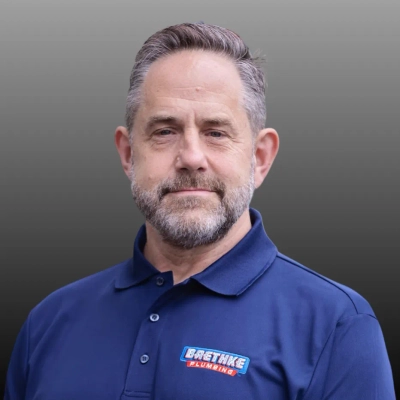
I’ve run Baethke Plumbing in Chicago since 1993, so mid-year budget pressure isn’t theoretical for me—it’s seasonal reality in this industry.
The first thing I protect is training. We require 52 hours annually per employee, and when budgets tighten, some owners cut that first. I won’t. A technician who’s undertrained costs far more in callbacks, liability, and lost customer trust than whatever you saved.
What I’ve scaled back instead is equipment expansion timing. One year, rather than adding new service vehicles mid-year, we extended the maintenance cycle on existing ones and shifted those funds toward technician certifications. The team stayed capable, customers noticed no difference, and we avoided financing pressure during a slow stretch.
The real burnout risk during budget squeezes isn’t workload—it’s uncertainty. When I’ve been transparent with people like Cathi, who runs our operations, and the field guys about where we’re cutting and why, they stay engaged rather than anxious. People tolerate sacrifice when they understand the reason.
Safeguard Homeowner Support and Scrap Conferences
Budget cuts hurt, but I always ask one question first: “What matters most to our customers?” Homeowners shopping for flooring are already stressed about renovation costs and timelines. The last thing we want is to make their experience worse by cutting the wrong things.
I protect customer service and education content above everything else. When families are choosing flooring for their homes, they need answers fast. So our chat support, product guides, and installation resources stay fully funded. But internal tools and nice-to-have software? Those get paused immediately.
The biggest tradeoff I made was cutting our attendance at industry conferences but doubling down on virtual customer events. Instead of sending the team to expensive trade shows, we hosted online flooring selection workshops for homeowners. This saved thousands in travel costs while reaching more actual customers.
My team actually preferred this approach because they got to interact directly with homeowners instead of just talking to other industry people. They could see the real impact of their work when customers shared photos of their finished renovation projects.
We also shifted from premium design tools to simpler room visualizers that customers found easier to use. Sometimes the fanciest option isn’t what serves families best when they’re planning their home improvements.
Bottom line: Protect what directly helps customers, cut what doesn’t. Happy customers drive revenue better than fancy tools or events. Your team stays motivated when they can clearly see how they’re helping families improve their homes.

Emphasize Seaworthiness and Batch Maintenance in Shipyard Blocks
As a Commercial Master who manages annual budgets for high-value yachts, I prioritize expenses that ensure mechanical integrity and AMSA survey compliance. I treat mid-year budget tightening like passage planning: you protect the essentials for the journey and cut the luxury provisioning.
I pause cosmetic projects like non-essential interior refits or frequent aesthetic detailing while protecting routine engine servicing and safety equipment updates. In my experience, it is much easier to explain a dull hull to an owner than a mechanical failure at sea.
To reduce costs without burning out my crew, I consolidated reactive maintenance into structured “shipyard blocks” where we coordinate shipwrights and electricians at once. This trade-off reduced the stress of constant troubleshooting and emergency repairs while maintaining our high operational standards.
I maintain a detailed logbook of any deferred maintenance so we have a clear roadmap to restore the asset’s value the moment capital becomes available. Precision in what you pause prevents expensive surprises during future surveys or sales negotiations.

Defend Critical Quality and Triage Secondary Work
I run a language-services company and manage multilingual projects across translation, localization, interpretation, DTP, and MT/post-editing, so I’ve had to make these calls in real workflows with engineering, content, and go-to-market teams involved. When budgets tighten mid-year, I protect anything that affects customer-facing accuracy, launch readiness, or legal/compliance risk, and I pause work that is valuable but not urgent in the current market cycle.
My filter is simple: what must be perfect, what can be “fit for purpose,” and what can wait. For example, I would protect high-visibility website pages, app UI, regulated or technical content, and key multilingual meetings, but scale back lower-traffic web pages, internal-only documents, or early market-test content by using machine translation with human post-editing instead of full traditional translation.
One tradeoff that preserved impact was keeping continuous localization for product updates, while postponing full transcreation for secondary campaign assets. That let the product stay usable and consistent in-market without forcing my team to localize every slogan, video script, and promotional variation at the same intensity.
Another practical move is to keep in-house project management and terminology control strong, even if you reduce volume elsewhere. If glossaries, translation memory, and workflows stay clean, you can slow spend without creating team chaos, rework, or quality drift later.

Protect Game-Day Atmosphere and Streamline Menu Choices
I’m hands-on at The Break Downtown, so when budgets tighten I look at spending through one lens: does this clearly improve the guest experience on game day, especially being right across from the Delta Center? If it helps speed, consistency, or the feel of the room when people come in to watch NFL, NBA, NHL, college games, or soccer, I protect it.
What I pause first is anything that adds complexity without changing what the guest actually remembers. In a sports bar, people remember whether they got a seat, whether the food came out right, whether the bar kept moving, and whether the place felt energetic and welcoming.
One tradeoff I’ve made is keeping the menu strong around proven anchors while resisting the urge to push too many new additions at once. It’s better for us to execute favorites like wings, burgers, tacos, and our signature mac n’ cheese really well than to overload the kitchen and burn out the team chasing novelty.
My rule is simple: protect the parts of the business that guests feel immediately, and simplify the parts that only create internal drag. That usually preserves impact better than broad cuts, because your team can stay sharp instead of stretched thin.

Cancel Weak Mandates to Preserve Delivery
At spectup we hit this last quarter. Pipeline softened in February, two campaigns were not converting, and we had a real choice between cutting team capacity or cutting client load. We cut clients. Specifically, we canceled two underperforming mandates rather than spreading the team thinner across more accounts to chase fees. The reason was mechanical, not philosophical. Our model promises 8 to 25 investor meetings per month with senior-led delivery. Diluting that to keep a roster full would have broken the value we sell. The team would have ended up on calls at 11pm to make math we could not make at 11am. In a service business, the team is the product. You can pause a campaign. You cannot pause a person without breaking the thing you sell. The tradeoff was lower revenue for one quarter against zero burnout incidents and a rebound on inbound the next quarter, because the existing clients kept seeing meetings stack up.

Secure Core Service and Simplify VMI Rollout
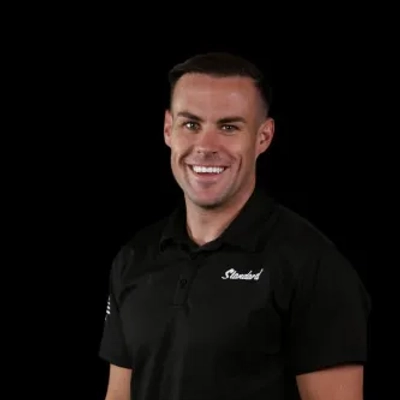
I’m VP at Standard Plumbing Supply and grew up in the business, from sweeping warehouses at eight years old to working across nearly every role in the company. In a distribution business, when budgets tighten mid-year, I sort everything into three buckets: what keeps the customer jobsite moving, what protects team capacity, and what can wait without breaking trust.
I protect the things that directly help contractors win: inventory availability, delivery execution, and the people closest to the customer. I’m much quicker to pause internal nice-to-haves, deferred upgrades, or anything that adds meetings, handoffs, or admin work without helping a contractor get material faster or easier.
A real example is our Vendor Managed Inventory work. As we expanded that program to over 60 customer locations, the tradeoff wasn’t “cut service or keep service” — it was to simplify rollout and focus on the customer locations where VMI solved an immediate pain point, instead of pushing every possible enhancement at once.
That preserved impact because the customer still got the core value, while the team stayed out of constant fire-drill mode. My rule is simple: if a cut saves money but creates confusion for customers or overloads the people serving them, it’s usually the wrong cut.
Uphold Clinical Oversight and Drop Optional Wellness
Running a private detox facility means every dollar has a direct clinical consequence — so mid-year budget decisions aren’t abstract for me. That pressure forced me to build a clear hierarchy early on: medical supervision and physician-led care are untouchable, everything else gets scrutinized.
When we’ve faced tighter periods, the tradeoff I’ve made is pulling back on optional wellness add-ons — things like massage scheduling or specialty nutrition programming — before ever touching clinical staffing ratios. A guest can have a meaningful, safe detox without daily yoga. They cannot have one without 24/7 medical oversight.
The specific tradeoff that preserved team bandwidth: instead of expanding our aftercare planning into a full internal outpatient program, I kept it lean — personalized referrals to trusted outside providers. Same impact for the guest leaving with a clear next step, but it didn’t require hiring or burning out the team we already had.
The lesson that applies anywhere: separate what your clients *came for* from what’s layered on top. Protect the core ruthlessly, and your team won’t resent the cutbacks because they can see the logic.

Center Therapy Sessions Over Expansion
Running a nonprofit counseling and recovery center in Western Pennsylvania means budget crunches aren’t hypothetical—they’re a recurring reality I’ve had to navigate carefully.
When resources tighten, I protect direct client care first—the individual counseling sessions, trauma-informed group work, and aftercare support that form the backbone of what we do at Grace Recovery Services. Those are non-negotiable because interrupting someone’s recovery mid-process carries real human cost, not just a service gap.
What I’ve scaled back during tight periods is administrative expansion—delaying things like adding office infrastructure at our North Huntingdon location before the clinical demand fully justified it. That decision kept our counselors focused on clients rather than absorbing the chaos of a stretched rollout.
The tradeoff that preserved the most impact without burning out my team was leaning harder into our relational process model—meaning our care team does deeper, more intentional work with fewer new intakes rather than spreading thin trying to serve everyone at once. It felt counterintuitive, but a counselor who is present and grounded helps people heal; an overextended one doesn’t.

Ensure User Experience and Accelerate Key Match Speed
When budget tightens, the first thing we do is sort every active project into one of two buckets: things that directly touch customers or product quality, and everything else. Everything in the second bucket is a candidate for pausing. The goal is to protect the outputs that customers actually see, even if that means deprioritizing internal tooling, marketing experiments, or operational improvements that feel urgent but don’t affect the product.
The specific tradeoff we made last year was pausing a planned integration build that our team wanted to ship and redirecting that engineering time toward making our core matching model faster. It wasn’t the popular call. The integration had been on the roadmap for a while and people were attached to it. But the matching speed improvement was visible to every active customer within two weeks, and customer satisfaction scores went up measurably. The integration launched about four months later than planned. Nobody asked about the delay. That’s roughly how we know we made the right call.

Honor Client Care and Owner Takes the Hit
When the budget tightens mid-year at Green Planet Cleaning Services, I run every line through one filter: does this spending directly protect either client experience or employee wellbeing? If the answer is “no,” it gets paused. If the answer is “yes,” it gets protected even if it hurts.
After 16 years in the SF Bay Area cleaning industry, I have learned that the wrong way to cut is across the board, because it tells your team the leadership doesn’t actually know what matters and is just spreading the pain. That kind of cut is what causes burnout, not the savings.
The right way is to pick a target, communicate why, and overprotect a few specific things:
What I pause first: paid ads, software trials we never adopted, “nice-to-have” trade shows, and any consultant or vendor who is not solving a problem we’d notice if they disappeared tomorrow. Most companies discover that 20-30% of their software stack and a chunk of their marketing spend was on autopilot.
What I scale back rather than cut: training and team events. I don’t kill them; I shrink them. Training stays in some form because the moment you stop investing in your W-2 cleaners, quality drifts and clients churn — which is way more expensive than the training.
What I refuse to touch: wages, benefits, and the quality of our eco-friendly cleaning products. Those three are the entire reason clients pay us premium prices. The minute we cheapen the products or squeeze the people, our differentiation disappears, and we become a commodity cleaner competing on price, which is the death spiral.
The tradeoff I made one year that preserved impact: I personally took a smaller draw for two quarters instead of cutting bonuses for the cleaning team. Owners absorbing pain before staff is the difference between a budget cut and a culture cut.

Postpone Undelivered Contracts and Use Fractional Specialists
In tough fiscal situations, it’s almost always the contract work paid for but not delivered that first comes off. Tooling CAPEX, HR is about to issue the offer for a new engineer, but they have not signed it. Vendor contracts that do not come up for renewal in less than 90 days get kicked to a delay/pause queue. Your existing sunk costs aren’t returned, of course. These delayed contracts are just opened again when conditions allow. In contrast, those owners who said they reforecasted cash flow at least quarterly were doing better in survival over the past five years (according to NFIB Small Business Economic Trends data).
Customers generating revenue now (which would touch us in the current quarter) and anything that’s going to be harder and take longer to reinstate (once cut) than to continue supporting, stay funded. We don’t cut customer support, infrastructure, or compliance-related things. Per the latest BLS JOLTS, 2024, it costs 6 to 9 months’ salary just to replace someone at the mid-level of knowledge work, once recruitment/training/getting them up to speed is included. So that 5% reduction isn’t savings, it’s replacement cost with potential long-term losses to account for later.
What worked for me in the past in preserving team function without having layoffs was replacing two intended hires with 6-month fractional hires with a specialist vendor for the specific need. This way, the team retained that specific capability, and we pushed the runway about four more months back. We treat having employees as being fully committed; the owners who don’t do so much get into the hiring mode a little too early and take the layoff gamble when they get cash flow challenges.
Cash flow crises are how the “motion, not progress” confusion gets laid bare in teams.

Harden Network Infrastructure and Shelve Optics-Driven Projects
Budget tightening is not a restriction; it is an exercise in risk isolation. When resources shrink, you must immediately separate ‘execution’ from ‘experimentation.’
At BASIS, our tradeoff is structural. We never scale back the infrastructure that routes the yield. Instead, we pause any project that relies on external variables like ‘market sentiment’ or ‘user behavior.’
A concrete tradeoff I made was pausing a heavy frontend expansion project to fully fund our server colocation and latency routing. The team avoided burnout because we removed the pressure of hitting arbitrary “growth metrics” in a bad market. We simply told them: “Focus only on keeping the execution flawless.” Protecting the engine over the optics is the only way to survive a tightened budget.

Shield Essential Workflow and Narrow Channel Footprint
Mid-year budget cuts usually force you to get clear on what really matters. In our case, that’s design support, client communication, and anything tied directly to production.
Since we operate in a hybrid setup with in-house design and pre-press, and partner factories in China, any delay in those areas can affect the whole process. So instead of cutting everything evenly, we keep the core workflow protected and scale back on what’s less critical.
One tradeoff we made was scaling back on spreading content across too many platforms and focusing on what was already working. We leaned more into Pinterest, Instagram, and our website instead of trying to stay active everywhere. Pinterest alone brings in over 444.3k monthly views. We showcase actual product in our IG, and our website already answers most client questions through product pages, FAQs, and pricing. That shift reduced workload without affecting lead flow.
It helped us keep results steady while giving the team more breathing room. Instead of chasing everything, we focused on what actually brings value and supports our clients. That balance made it easier to manage costs without putting extra pressure on the team or slowing down operations.

Prioritize Flagships and Repurpose Creative Across Markets
I review all of my on-going projects and evaluate how each project directly contributes to increasing our most important long-term sources of revenue and branding. My priority is to focus on products that contribute the largest percentage of sales in 3-D puzzles and wooden craft products. I also give high priority to new product launches during peak seasons and with major retailers. Any projects that do not provide a clear immediate financial return or are merely speculative will likely receive consideration as being reduced in scope, or eliminated; however, nothing that would negatively impact the consumer’s perception of our brand’s creativity or their overall experience will be considered for elimination.
A trade-off that I made was significantly reducing the scope of an international marketing effort supporting one of our secondary product lines while completely maintaining the resources allocated to support the launch of a flagship 3-D puzzle series. In order to maximize the effectiveness of our limited budget, instead of executing several separate national campaigns, I focused efforts on creating high-quality creative materials that can be used across multiple countries. By doing so, I was able to ensure adequate awareness of our primary products through international exposure without overextending the capabilities of either our design team or our marketing team.

Preserve Hands-On Instruction and Extend Release Cycles
In mid-year budget crunches, I focus on those things that affect student skills, safety, and trust. For the Texas Academy of Medical Aesthetics, the quality of clinical training and primary instruction is always preserved, as they define the success of the learner and the credibility of the program. I assess everything else through a lens toward utilitarianism. If it doesn’t demonstrably enhance student experience or core operations, it is put on hold or merged (such as overlapping program initiatives and “pet” projects).
One compromise I’ve made is to shift from more regular but smaller releases to longer development cycles. Rather than juggle multiple initiatives, we develop fewer training modules in greater detail. This has allowed us to avoid excessive team fatigue and burnout, and enhance the quality of the student experience without sacrificing quality.

Narrow Project Scope and Elevate Accountability and Clarity
We learned that protecting depth mattered more than moving faster. In a tight budget period, we may feel pressure to ask a smaller team to do more work in less time. We believed that this was usually the wrong choice for us. So, we reduced the number of projects at the same time and gave people more time to focus on the work that mattered most.
We decided what to pause by looking at tasks that created activity but did not improve results in a clear way. If something added noise, extra reporting, or too many approvals, we treated it as something to reduce. We protected the work that supported accountability and clear decisions. This choice helped us keep performance strong and helped the team stay focused, calm, and less likely to burn out.

Freeze New Hires and Maintain Growth Budget
First thing I did was freeze external hiring and told the team we’d promote from within instead. Then I went through every single tool subscription we had, turned out we were paying for three project management tools when one would do the job fine.
Here’s the tradeoff though, I kept our learning budget untouched. Cut everything else but not that. When budgets are tight, people get anxious. Investing in their growth showed them we’re still betting on their future here, and honestly, morale stayed solid even when things got lean.

Eliminate Frills and Back Credible Experts
When budget tightened, I cut the $15k annual CLE budget that sent lawyers to conferences where they pretended to learn while actually drinking and networking. Told everyone to teach themselves through free webinars and reading case law like we did before bar associations turned professional development into a revenue racket charging thousands for information available online.
The tradeoff nobody expected was eliminating our case management software subscription and going back to spreadsheets and Google Drive, saving $12k yearly. Turns out the fancy legal tech we thought was essential just added complexity nobody wanted. Associates were relieved to stop fighting with software that supposedly made us efficient but actually created more administrative work than the paper systems it replaced.
What preserved impact was protecting our expert witness budget completely because cheap expert testimony loses cases that strong experts win decisively. You can skimp on office furniture and technology subscriptions but hiring discount experts to save money guarantees you’ll lose trials to better-funded opponents who understand that credible expertise isn’t negotiable when jury verdicts determine outcomes worth hundreds of thousands.

Retain Skeleton Versions to Keep Momentum
One of the mantras I try to keep in mind when we’re faced with limited budget is “anything worth doing is worth doing badly”. In other words, if there are ways we can continue initiatives in a limited form, even if it hurts their quality and reach, we’ll find ways to do that. This gives us maximum flexibility, since we’ll still have those projects in place when and if we get more cash flow. Giving people permission to back-burner some things and work on them more slowly is a good way to keep them around without forcing our staff into overtime.

Consolidate Meetings and Favor Measurable Outcomes
I focus on only having meetings where I am certain of both the meeting’s purpose and necessity when I have recurring meetings scheduled from throughout my entire calendar. For every meeting I attempt to determine if a discussion needs to be held at that time, and whether or not the meeting could have been substituted with a quick written update. I identify meetings that overlap in nature and consolidate them into one meeting with a clear agenda. I have also employed a new format I call “decision first meetings,” which discuss only items that require talking about at the time of the meeting.
Any remaining topics are addressed outside of real-time meetings through alternative forms of communication. Through this process of obtaining focused work time, while maintaining team alignment, I have been able to gain back multiple hours of work each week. The outcome of teams providing short but complete updates has resulted in reducing meeting length while providing increased productivity. Being purposeful is critical. If I can’t measure the value produced by a meeting, I adjust or eliminate the meeting as applicable. The result of this planning methodology has enhanced focus on the team as a whole and also ensures accountability and information sharing between teammates.