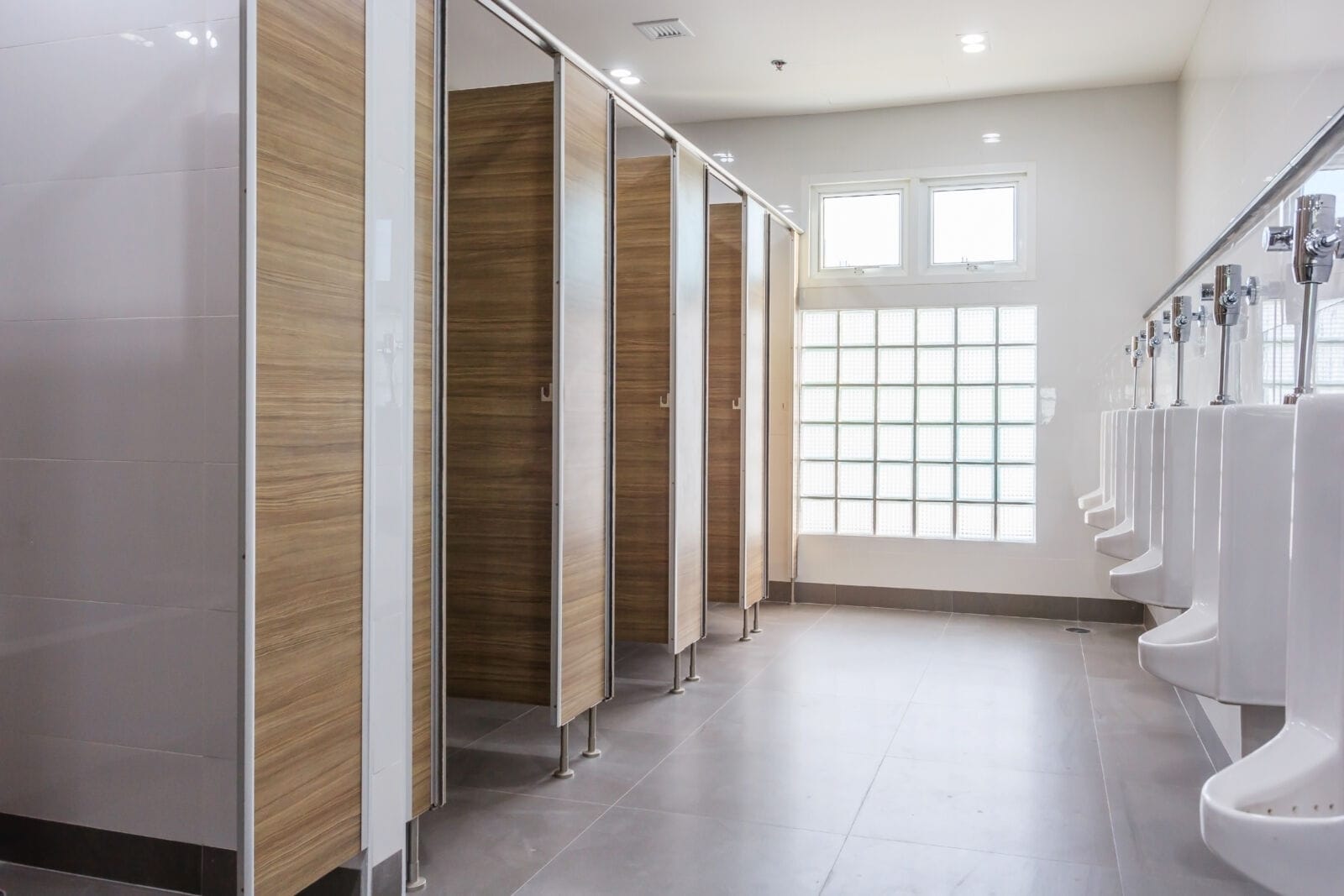
Commercial restrooms influence comfort, dignity, and trust more than many building teams expect. A stall that rattles, exposes gaps, or blocks clear movement can trigger complaints within days. Sound partition choices address those problems before they spread. They support personal privacy, safer circulation, and cleaner upkeep. In schools, clinics, offices, and transit hubs, durable enclosures help the restroom perform as a dependable, code-conscious part of daily operations.
Privacy Starts With Better Partition Design
Privacy begins with enclosure geometry, not decoration or branding. Before selecting commercial toilet partitions, facility planners often study panel height, door clearance, latch position, and floor space, because each element affects sightlines and user ease. Taller doors, tighter reveals, and stiffer supports can reduce visual exposure, soften stress, and create a calmer experience during heavy public use.
Gaps Matter More Than Many Teams Expect
Small openings around stall edges draw immediate attention. People notice door reveals, pilaster spacing, and low panel clearance long before they comment on color or finish. Better systems narrow those exposed lines without complicating custodial work. That restraint matters in busy sites, where a modest visual shield can lower tension and help occupants move through the room with greater confidence.
Mounting Style Affects Security
Mounting style changes how a stall feels under daily strain. Overhead-braced units suit many standard layouts and provide reliable rigidity. Floor-to-ceiling construction gives a stronger sense of enclosure, with less sway and fewer sightline concerns. Ceiling-hung options free up the floor for mopping, yet owners must verify structural support early on. Each method should reflect traffic, maintenance needs, and the room’s physical constraints.
Compliance Depends on More Than Stall Size
Compliance rests on dimensions, hardware, approach space, and door movement. A partition can appear acceptable while still failing review because the turning clearance or latch reach falls short. Early plan checks prevent expensive rework after delivery. Clear spacing between stalls, walls, and accessories supports smoother flow, especially in buildings that handle sharp surges of use at set times during the day.
Accessibility Needs Careful Coordination
Accessible design depends on coordinated details, not a single enlarged stall. Partition placement must preserve turning radius, transfer space, and usable reach to hardware. Door pull shape, latch action, and closing force all affect daily function. In public facilities, those choices determine whether the room serves people with dignity. Careful alignment between enclosures and accessories helps protect usability without crowding the layout.
Material Choice Supports Long-Term Performance
Material selection should match exposure to moisture, impact, and cleaning. Powder-coated steel works well in dry interiors with moderate traffic. Solid plastic resists water, dents, and rough treatment in schools, pools, or recreation centers. Phenolic panels tolerate humidity and repeated scrubbing with little surface change. Stainless steel offers a crisp appearance with strong durability. Plastic laminate is well-suited to low-moisture spaces where design continuity matters.
Cleaner Restrooms Also Feel More Private
Cleanliness shapes perceptions of privacy in subtle ways. Rust stains, chipped edges, or swollen cores make an enclosure seem less secure, even before anyone tests the latch. Smooth, nonporous surfaces support faster sanitation and better odor control. When panels stay straight and hardware remains tight, users tend to trust the stall more. That trust reduces anxiety and makes the room feel better managed.
Strong Partitions Can Reduce Total Cost
Initial price alone rarely predicts lifetime expense. Panels that warp, loosen, or chip under constant use can create repeat repair calls and unplanned closures. More durable assemblies often result in lower part replacement, labor demand, and service interruption over time. For facility managers, consistent performance protects budgets while keeping restrooms available. Stable enclosures also preserve appearance in customer-facing properties where neglect becomes visible very quickly.
Better Restrooms Support Building Reputation
Restroom quality shapes broader impressions of a property. A stall system that feels secure, clean, and code-ready signals care for occupants and attention to operational detail. That message matters in offices, retail settings, schools, and medical buildings, where trust influences return visits and staff morale. Partitions may seem secondary, yet they affect daily routines and can quietly improve satisfaction across the facility.
Conclusion
Commercial toilet partitions do much more than separate stalls. They influence privacy, accessibility, maintenance workload, inspection outcomes, and long-term operating cost. Strong materials, sound mounting choices, and careful spacing help reduce complaints while supporting practical building demands. When project teams treat partitions as a core component of restrooms, the result is a space that feels safer, cleaner, and more respectful for everyone who depends on it each day.