Water damage can leave a building with more problems than the water visible on the floor. Moisture can settle into drywall, wooden framing, carpeting, and other construction materials. Even after standing water has been removed, these surfaces may remain damp for days.
Using a dehumidifier for water damage alongside professional air movers can make the drying process more effective. Each machine performs a different task, but together they help remove moisture from affected spaces and reduce the risk of further damage.
Understanding how these machines work is useful for property owners, contractors, and restoration teams dealing with water-related emergencies.
Why Water Damage Requires More Than Surface Drying
A floor may look dry while moisture remains trapped beneath it. Wood, drywall, and insulation can absorb water, making it difficult to determine how much drying is still needed.
Leaving these materials damp can lead to swelling, deterioration, unpleasant odors, and mold growth. The Environmental Protection Agency recommends drying water-damaged materials within 24 to 48 hours whenever possible to help prevent mold growth.
However, removing visible water is only the beginning. Proper restoration also requires controlling humidity and encouraging moisture trapped within building materials to evaporate.
This is where dehumidifiers and air movers become important.
The Role of Dehumidifiers in Water Damage Restoration
Dehumidifiers remove excess moisture from indoor air. Most commercial refrigerant dehumidifiers draw humid air into the machine, cool it to condense water vapor, collect or drain the resulting water, and release drier air back into the room.
As humidity decreases, wet materials can release moisture into the surrounding air more effectively.
Commercial restoration dehumidifiers are particularly useful in basements, offices, warehouses, and buildings affected by plumbing leaks or flooding.
Unlike small household units, professional models are designed for demanding drying conditions. Some include automatic drainage pumps, continuous operation features, and controls for monitoring humidity.
Choosing the appropriate equipment depends on room dimensions, temperature, the amount of moisture present, and the materials affected.
How Air Movers Speed Up Evaporation
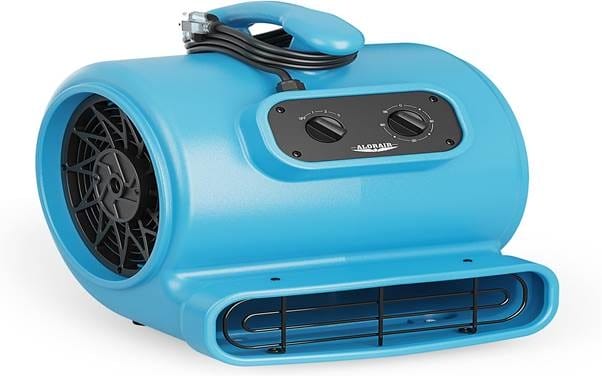
Air movers work differently from dehumidifiers. Instead of extracting moisture from the air, they create concentrated airflow across wet surfaces.
When air passes over damp flooring, walls, or other materials, it helps moisture evaporate into the surrounding environment.
Without sufficient airflow, humid air can remain close to wet surfaces, slowing evaporation.
Restoration professionals position air movers strategically to improve circulation around affected areas. Depending on the conditions, machines may direct airflow along walls, across flooring, or into accessible spaces requiring additional drying.
However, air movers cannot remove water vapor from a room by themselves. They help transfer moisture from materials into the air, making humidity control equally important.
Why Both Machines Work Better Together
The main advantage of combining dehumidifiers and air movers is that they support different stages of the same drying process.
Air movers encourage moisture to evaporate from wet materials. Dehumidifiers then remove water vapor from the air, helping maintain conditions that support continued evaporation.
Consider a room affected by a leaking water pipe. After extracting standing water, a restoration team may position air movers near damp flooring and walls.
As the moving air encourages evaporation, the room’s humidity begins to rise. A commercial dehumidifier collects that moisture, preventing excessive humidity from slowing the process.
This coordinated approach helps maintain a more consistent drying environment.
Without dehumidification, increased evaporation may leave the room excessively humid. Without adequate airflow, moisture inside building materials may evaporate more slowly.
Proper Equipment Placement Makes a Difference
Simply placing several machines inside a damaged room does not guarantee effective results.
Restoration teams assess the affected area before deciding where equipment should operate.
Air movers should direct airflow toward suitable wet surfaces without creating unsafe conditions or spreading contamination. Dehumidifiers need unobstructed airflow and reliable drainage.
The number of machines required depends on the size of the affected space, the severity of water intrusion, and environmental conditions.
Professionals also use moisture meters and humidity readings to evaluate drying progress. These measurements help determine whether equipment should be repositioned or whether additional restoration work is necessary.
For sewage damage, suspected mold contamination, or extensive flooding, professional assessment is especially important before using air-moving equipment.
DEEPER DIVE: 10 Arizona restaurants make Yelp’s Top 100 Mexican food spots
Choosing Reliable Restoration Equipment
Selecting the right machines can influence drying efficiency and overall restoration costs.
Contractors commonly consider moisture removal capacity, airflow performance, portability, operating conditions, and drainage options when comparing equipment.
Suppliers such as thedryair offer commercial dehumidification equipment suitable for various moisture-control and restoration applications.
Before purchasing equipment, it is worth examining product specifications rather than relying only on advertised coverage areas. Actual drying performance depends on the conditions inside the building.
Equipment maintenance also matters. Clean filters, clear air passages, and properly functioning drainage systems help machines operate efficiently during extended restoration projects.
Conclusion
Water damage restoration requires more than removing puddles and allowing surfaces to dry naturally. Moisture can remain inside building materials long after visible signs of flooding disappear.
Air movers encourage evaporation, while dehumidifiers remove excess water vapor from the surrounding air. When used together and monitored properly, they create conditions that support more effective structural drying.
For property owners and construction professionals, understanding this relationship can help guide equipment selection, reduce avoidable delays, and support safer building restoration.