If you work in fabrication, you have likely experienced how small inefficiencies can snowball into bigger operational problems. Missed deadlines, inconsistent weld quality, and rising material costs can all impact your bottom line. As industries push for faster production and tighter tolerances, relying solely on traditional welding methods can hold you back.
This is where the industrial laser welder becomes a game-changer. By combining speed, precision, and automation, laser welding allows you to streamline your workflow while maintaining consistent, high-quality results. Whether you manage a small workshop or a large-scale manufacturing operation, understanding this technology can help you stay competitive in a rapidly evolving market.
What Is Laser Welding and Why Does It Matter
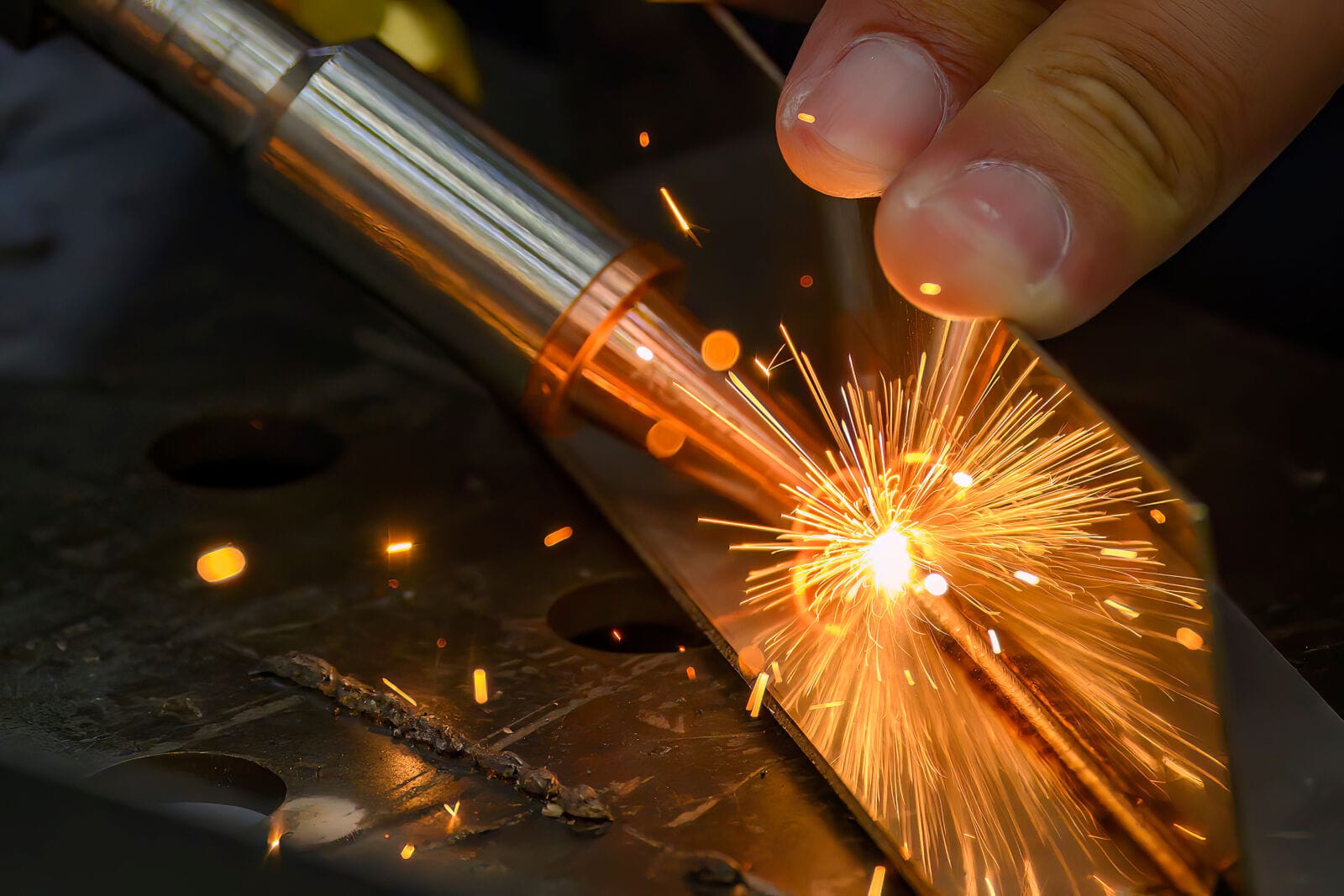
Laser welding is a fabrication process that uses a concentrated beam of light to join materials, typically metals. Unlike conventional welding, which spreads heat over a larger area, laser welding focuses energy on a precise point. This results in cleaner welds and minimal thermal distortion.
Key Benefits at a Glance
- High precision for detailed and complex parts
- Reduced heat-affected zones to prevent warping
- Faster welding speeds for improved productivity
- Cleaner finishes that require less post-processing
Because of these advantages, laser welding has become a preferred choice in industries that demand accuracy and efficiency. It allows you to meet strict quality standards while keeping production timelines under control.
Common Fabrication Challenges You May Face
Before exploring the benefits further, it is important to recognize the typical challenges that fabrication operations encounter.
1. Inconsistent Weld Quality
Manual processes often lead to variations in weld strength and appearance, especially across large batches.
2. Slow Production Cycles
Traditional welding methods can be time-consuming and may require multiple passes or corrections.
3. High Material Waste
Excess heat and imprecise welding can damage surrounding material, leading to unnecessary waste.
4. Labor-Intensive Processes
Skilled welders are essential, but manual work can limit scalability and increase operational costs.
These pain points can make it difficult for you to maintain efficiency and profitability, particularly as demand grows.
How Laser Welding Improves Operational Efficiency
Faster Production Speeds
One of the most immediate benefits of using an industrial laser welder is the significant increase in speed. Laser systems can complete welds much faster than traditional methods because the energy is concentrated and highly efficient.
With faster welding speeds, you can:
- Reduce cycle times
- Increase daily output
- Meet tight deadlines more easily
This is especially beneficial if you are working on high-volume production, where even small time savings per unit can add up quickly.
Improved Precision and Consistency
Precision is critical in modern fabrication, and laser welding delivers exceptional accuracy. The focused beam allows you to create uniform welds with minimal variation.
This consistency helps you:
- Maintain product quality across batches
- Reduce defects and rework
- Improve overall reliability
For industries like electronics or automotive manufacturing, where precision is essential, this level of control can make a significant difference.
Reduced Material Waste
Traditional welding methods often generate excess heat, which can distort materials or create unusable scrap. Laser welding minimizes this issue by targeting only the necessary area.
As a result, you can:
- Maximize material usage
- Lower scrap rates
- Reduce overall production costs
If you are working with expensive materials such as aluminum or stainless steel, these savings can be substantial over time.
Lower Post-Processing Requirements
Another advantage of laser welding is the quality of the finished weld. Because the process is so precise, the resulting joints are typically smooth and clean.
This reduces the need for:
- Grinding
- Polishing
- Additional finishing work
By minimizing post-processing, you can shorten production timelines and free up resources for other tasks.
Better Integration With Automation
Modern fabrication increasingly relies on automation, and laser welding systems are well-suited for this shift. They can be easily integrated into automated production lines, allowing you to scale operations efficiently.
Automation provides several benefits:
- Consistent output with minimal human error
- Reduced reliance on manual labor
- Increased production capacity
As your business grows, this scalability ensures that your processes can keep up with demand without sacrificing quality.
Real-World Applications of Laser Welding
Laser welding is widely used across different industries because of its versatility and efficiency.
Automotive Industry
Manufacturers use laser welding to join lightweight materials and create strong, durable components. This helps improve fuel efficiency and overall vehicle performance.
Electronics Manufacturing
In electronics, precision is everything. Laser welding allows you to join small, delicate components without damaging them.
Aerospace Applications
Aerospace fabrication requires extremely high standards. Laser welding provides the strength and accuracy needed for critical components.
Medical Device Production
Medical equipment often involves intricate designs and strict hygiene requirements. Laser welding produces clean, precise joints that meet these standards.
These examples highlight how laser welding supports efficiency across a wide range of applications.
Practical Tips for Adopting Laser Welding
If you are considering integrating laser welding into your operations, a strategic approach can help you maximize its benefits.
Assess Your Current Workflow
Identify areas where inefficiencies exist. Look for processes that involve repetitive welding or frequent rework.
Invest in Training
While laser systems are advanced, proper training ensures your team can operate them effectively and safely.
Start With Key Processes
You do not need to replace all your equipment at once. Begin with high-impact areas and expand gradually.
Monitor Performance
Track metrics such as production speed, defect rates, and material usage to measure improvements.
By following these steps, you can transition smoothly and start seeing results sooner.
Choosing the Right Laser Welding Solution
Selecting the right equipment is essential to achieving optimal results. Different fabrication needs require different system capabilities, so it is important to choose a solution that aligns with your goals.
Providers like Denaliweld offer a range of systems designed to support efficient and precise fabrication.
These solutions are built to help you improve productivity, maintain consistent quality, and adapt to evolving production demands without unnecessary complexity.
Conclusion
Laser welding is transforming modern fabrication by delivering speed, precision, and efficiency in one powerful solution. Addressing common challenges such as inconsistent quality, slow production, and material waste, it allows you to streamline your operations and stay competitive.
As demand for high-quality, fast-turnaround production continues to grow, adopting advanced technologies like laser welding is no longer optional. It is a smart investment in the future of your business. By taking the first step today, you can position yourself for long-term success in an increasingly demanding industry.