Quick Facts About Car Shipping Costs
- Shipping a car on an open carrier averages about USD 914 per shipment, or USD 1.89 per mile, according to Move.org’s October 2026 quote data.
- Enclosed transport averages about USD 1,342 per shipment, or USD 2.82 per mile, because it shields the car from weather and road debris.
- Cross-country routes between Arizona and New York typically fall between about USD 1,300 and USD 2,500, depending on the city pair and direction.
- Pickup trucks and non-running vehicles cost more to ship than a standard sedan.
- Most quotes are estimates, not guaranteed prices, so the final cost can move before a carrier is assigned.
The most accurate way to price a car shipment is a personalized quote for your exact route, vehicle and dates. Still, it helps to know what a fair number looks like before you start comparing companies.

Arizona is a popular destination for relocations and seasonal stays, and many of those moves include a car that needs to get there without a cross-country drive. If you’re moving from New York to Arizona, for example, shipping the car can free you to fly and settle in while the vehicle travels separately.
Car Shipping Costs by Distance and Transport Type
Distance is the biggest single driver of price. The farther your car travels, the more you pay overall, although the cost per mile usually drops on longer routes.
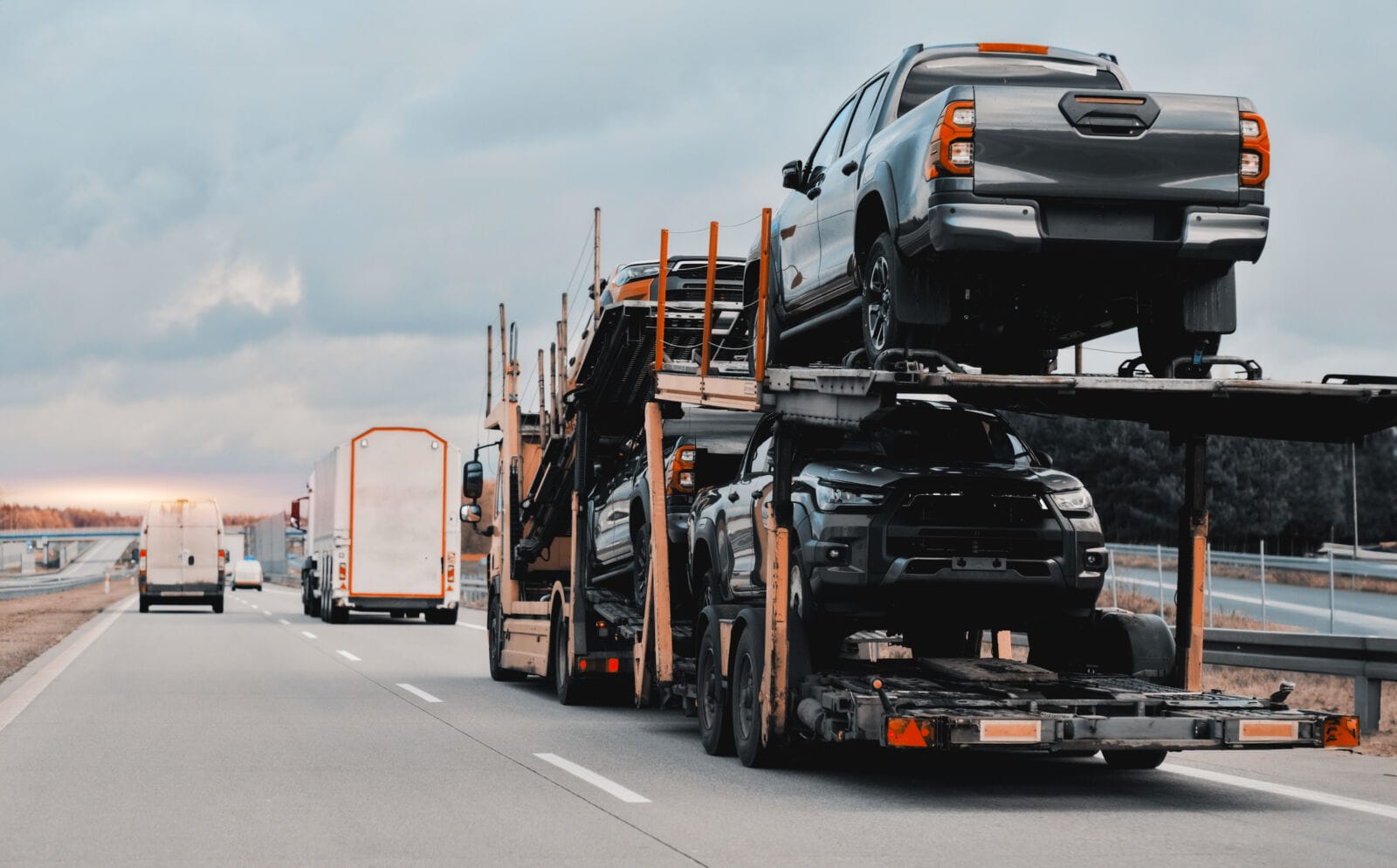
Transport type comes next. Open transport, the multi-level trailers you see on the highway, is the most affordable option and the one most people choose. Enclosed transport costs more because the car rides inside a covered trailer, which is why it’s usually reserved for classic, luxury, custom or freshly painted vehicles.
Here’s what published route data shows for Arizona and New York city pairs on MoveBuddha’s car shipping guides:
| Route | Distance | Typical price range |
| New York City, NY to Phoenix, AZ | 2,407 miles | USD 1,354 to USD 2,128 |
| New York City, NY to Tucson, AZ | 2,402 miles | USD 1,599 to USD 2,537 |
| Phoenix, AZ to New York City, NY | 2,407 miles | USD 1,346 to USD 2,179 |
| Tucson, AZ to New York City, NY | 2,404 miles | USD 1,288 to USD 2,149 |
These figures are industry ranges, not guaranteed prices. They also show that two routes of almost identical length can price differently, because demand and carrier availability vary by city and direction.
How Your Vehicle’s Size and Condition Affect the Price
Car carriers work within strict weight limits. A heavier vehicle takes up space and weight that could otherwise go to another car, so carriers charge more to make up the difference.
Move.org’s research found that pickup trucks cost about 38% more to ship than standard cars. Large SUVs and heavy-duty vehicles raise the price for the same reason.
Condition matters too. A car that starts, steers, rolls and brakes can be driven onto a standard trailer. A non-running vehicle needs a winch and extra handling time, which Move.org found usually adds about USD 100 to USD 300 to the cost, depending on the carrier and route.
When you request a quote, describe the vehicle accurately, including any modifications such as a lift kit, oversized tires or a roof rack. A quote based on the wrong details is likely to change later.
Why Car Shipping Prices Aren’t Always Fixed
Most car shipments are booked through a broker, which arranges the job with a carrier that actually hauls the vehicle. The broker posts your shipment, and carriers decide whether to accept it at the offered price. When fewer trucks are running your route, the price needed to attract a carrier can rise.
That’s why the first number you see is usually a starting estimate. According to Move.org, brokers often assign a carrier a few days to about a week before pickup, and its research found final car shipping prices can end up 25% higher than the original quote once all is said and done.
To protect yourself, ask every company:
- Is this quote an estimate or a guaranteed price?
- What would cause the price to change before pickup?
- When will you confirm the final total in writing?
- When is payment due, and what are the cancellation terms?
Arizona Timing Factors That Affect Your Quote
Season. Move.org notes that car shipping prices typically rise during the busy moving months of spring, summer and early fall. If your dates are flexible, shipping outside the peak can help.
Route popularity. Shipments between major metros such as Phoenix and Tucson attract more carriers, which tends to keep prices competitive. Rural pickup or delivery points can cost more because fewer trucks pass through.
Weather. Arizona’s monsoon season runs from mid-June through September and can bring dust storms, heavy rain and extreme heat. Northern Arizona, including Flagstaff and the I-40 corridor, sees winter weather. Neither predicts a delay for your car, but both are good reasons to build a buffer into your schedule.
Lead time. Booking early gives the broker more time to find a carrier at your quoted price. A rushed pickup date usually narrows your options and can push the price up.
Where an Auto Transport Broker Fits In
Comparing a few providers is the best way to see what your route really costs. Cross Auto Transport offers door-to-door car shipping across all 50 states on open and enclosed carriers, with instant online quotes. There’s no upfront payment, as customers pay once a carrier is assigned, and every shipment goes with a vetted, insured carrier. Non-running cars are matched with winch-equipped carriers, and typical transit takes 3 to 7 days depending on distance. Its published ranges for open transport of a standard sedan include USD 1,000 to USD 1,300 for Texas to California.
Whichever company you choose, compare written offers using the same addresses, vehicle details, trailer type and pickup window, so you’re weighing like-for-like quotes.

The Short List of Car Shipping Cost Factors
- Distance: longer routes cost more overall.
- Transport type: open is the most affordable; enclosed costs more for added protection.
- Vehicle size: trucks and large SUVs cost more than sedans.
- Vehicle condition: non-running cars need a winch and usually cost more.
- Route popularity: busy metro routes attract more carriers and better prices.
- Time of year: spring, summer and early fall are typically busier.
- Lead time: booking early gives you more options.
- Extras: expedited service and added coverage increase the price.
After Your Car Arrives in Arizona
Shipping and registration are separate tasks, so plan for both. ADOT says you must register an out-of-state vehicle as soon as you become an Arizona resident. Its checklist also includes an emissions compliance form for vehicles in the Phoenix and Tucson areas, so check the requirements for your address before your MVD visit.
Frequently Asked Questions
How much does it cost to ship a car across the country?
Cross-country routes, such as New York to Arizona, generally run from about USD 1,300 to USD 2,500 on an open carrier, depending on the city pair, direction, vehicle and season. Enclosed transport costs more.
Is it cheaper to ship a car or drive it to Arizona?
Driving can be cheaper if you only count fuel. Once you add lodging, meals, wear on the car and time away from work, shipping often comes out closer than expected, especially on cross-country moves.
How long does it take to ship a car to Arizona?
Transit time depends on distance. Many shipments take about 3 to 7 days once the car is picked up, but carrier assignment and the pickup window add time before that, so ask each provider which step its estimate covers.
Is open or enclosed transport better?
Open transport suits most everyday vehicles and costs less. Enclosed transport is worth considering for classic, luxury or low-clearance cars that need protection from weather and road debris.
Why did my car shipping quote go up?
Most quotes are estimates. If carriers on your route won’t accept the job at the original price, the broker may need to raise it to secure a truck. Asking for written confirmation of the final total before pickup helps avoid surprises.