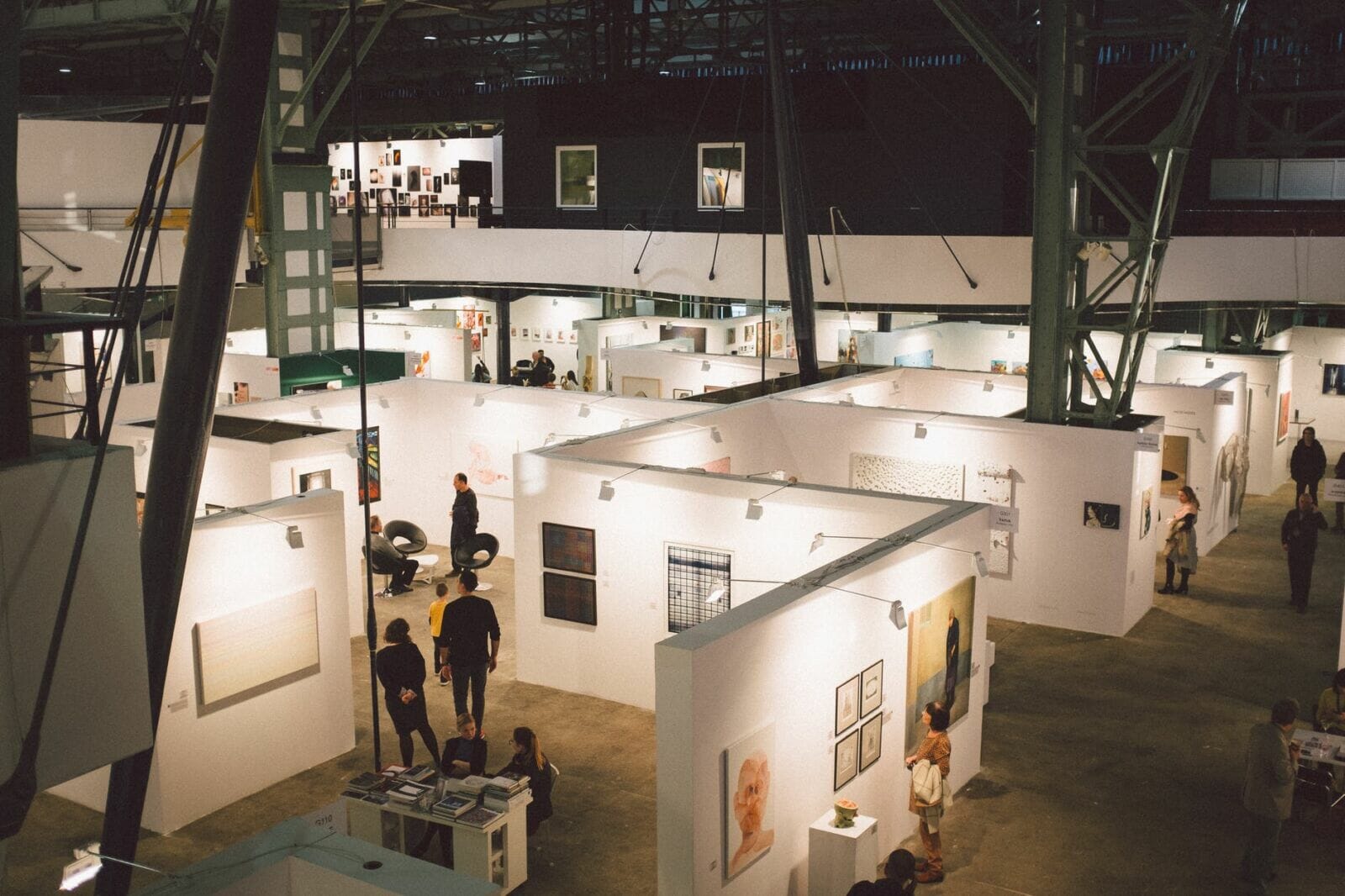
Trade events reward brands that arrive prepared, polished, and ready to connect. For exhibitors attending several shows each year, every booth decision affects budget, setup time, visual appeal, and lead quality. A portable display system gives teams a smarter way to stay consistent across venues without exhausting resources.
Multi-event exhibitors need displays that travel well, assemble quickly, and still look professional under busy show-floor conditions. The trade show displays built for repeated use help brands maintain a strong presence from one event to the next. This practical combination of mobility, durability, and brand clarity can turn every booth into a stronger marketing asset. This article will discuss how these portable displays help multi-event exhibitors win.
DEEPER DIVE: Read all the Ranking Arizona Top 10 lists here
INDUSTRY INSIGHTS: Want more news like this? Get our free newsletter here
1. Quick Setup Saves Valuable Event Time
Portable displays are designed to help teams move from crate to booth-ready with less stress. Lightweight frames, simple connectors, pop-up structures, and tension fabric graphics reduce the time spent on assembly. This matters when crews have limited access windows, tight venue schedules, or back-to-back exhibitions.
A faster setup also keeps staff focused on strategy rather than hardware. Sales teams can review talking points, arrange product samples, and prepare lead capture tools before visitors arrive. That calm start can influence the energy of the entire event.
2. Compact Transport Supports Frequent Travel
Multi-event exhibitors face shipping, storage, and handling expenses at nearly every show. Portable systems help control those costs because they pack into compact cases and require less space during transit.
- Smaller packed sizes can reduce freight complications.
- Rolling cases make venue movement easier for staff.
- Lightweight components simplify booth handling.
- Reusable hardware supports travel across several cities.
- Protective cases help preserve graphics and frames between events.
A compact display system also helps teams avoid clutter at headquarters. After one event ends, the booth can be stored neatly until the next campaign.
3. Modular Designs Adapt to Different Booth Sizes
Event spaces rarely stay the same from show to show. One venue may offer a 10×10 booth, while the next may require a larger footprint or a corner layout. Modular portable displays allow exhibitors to adjust the booth structure without starting from scratch each time.
Panels, counters, banners, shelves, and backwalls can work together in different combinations. This gives marketing teams more control over layout, traffic flow, and product placement. A flexible booth can support small regional shows and larger national events with the same core investment.
4. Strong Visual Branding Builds Recognition
A display has only a few seconds to capture attention on a crowded floor. Sharp graphics, clean messaging, backlit features, and branded counters help visitors understand the company’s value at a glance. Portable systems can deliver that professional impact without the weight or cost of large custom builds.
Consistency is especially valuable for exhibitors who attend multiple shows in one season. When the same colors, logo style, and message appear across events, audiences begin to recognize the brand more easily. That recognition can strengthen trust before a conversation even begins.
5. Reusable Graphics Improve Long-Term Value
Exhibitors want booth materials that can survive more than one event. Portable trade show displays with interchangeable graphics make it easier to refresh campaigns without replacing the entire structure.
- Fabric graphics can be updated for new launches.
- Banner stands can highlight seasonal offers.
- Counters can support product demos and literature.
- Backdrops can carry core brand messaging for repeated use.
- Replacement visuals help extend the life of the display system.
This approach helps marketing budgets work harder. A company can keep the main booth framework while changing the story for different audiences. That balance keeps the exhibit fresh while protecting the original investment.
6. Better Booth Flow Encourages More Conversations
A winning booth does more than look attractive. It guides visitors naturally, keeps messaging visible, and creates a comfortable space for conversations. Portable displays can include counters, kiosks, literature racks, tabletop units, and hanging elements that help shape a more purposeful visitor path. Good booth flow supports both quick interactions and deeper discussions. Visitors can scan the main message, pick up materials, ask questions, or move toward a demo area without confusion.
7. Importance of Buying from Reputable Sellers
A portable display is only as strong as the materials, print quality, and support behind it. Reputable sellers offer experienced design help, clear product options, durable hardware, professional graphics, and guidance that matches real event demands. That support becomes especially important when deadlines are tight, and the booth must arrive ready for use.
Trusted suppliers can also help exhibitors choose the right format for booth size, travel frequency, budget, and branding goals. Instead of guessing between backlit displays, banner stands, tabletop systems, or modular exhibits, teams get practical direction. This reduces costly mistakes and helps every display perform with confidence across multiple events.
Portable displays thus help multi-event exhibitors stay organized, visible, and ready for every show. They reduce stress while strengthening brand impact, booth function, and long-term value. For teams that exhibit again and again, the right portable system becomes a true competitive advantage.