Most people only see the final stage of food production. A finished product on a supermarket shelf, sealed, labelled, and ready to eat. What they do not see is the extensive testing that occurs before the product is allowed anywhere near a customer. So, let’s take a look at how food producers test food before it reaches shelves.
Why food testing matters
Without testing, food safety would rely almost entirely on trust. At a modern scale, that would fail quickly. Large producers handle thousands of tonnes of food each week, so manual inspection alone is not feasible. Testing systems exist to provide evidence, not reassurance. Most recalls happen not because companies ignored safety, but because testing detected something that should not be there. When systems work, unsafe food is removed before most people ever encounter it. For example, you can find recall information here of an issue that was picked up by rigorous testing.
Food testing does not happen just once
Testing is not a single event at the end of production. It happens repeatedly. Ingredients are tested upon arrival, products are tested during processing, and finished goods are tested before distribution. In many cases, samples are also taken from products already on sale to confirm that nothing has changed over time. And, of course, hygienic restaurants regularly check for freshness, safety, and so on.
Even with these systems, errors can still occur. That is why producers use accredited laboratories and standardised methods. A single incorrect test result can allow a problem to slip through or trigger unnecessary recalls.
Sensory evaluation
One of the first checks is sensory testing.
This sounds subjective, but it’s actually very practical. Trained staff examine food for obvious signs of spoilage or defects. They look at colour, smell, texture, and taste.
This stage catches basic issues such as off odours, unexpected textures, or visible contamination. It does not replace scientific testing, but it often flags problems early. If a product fails sensory checks, it usually goes no further.
Microbiological testing
This is one of the most important parts of food safety. Samples are tested for harmful microorganisms that can cause illness, like E. coli, Salmonella, and Listeria.
Different foods carry different risks. Raw meat, dairy, and ready-to-eat products require especially strict monitoring because they are more likely to support bacterial growth.
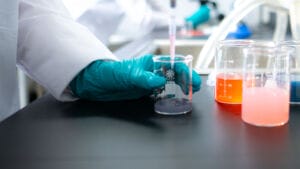
Physical and chemical testing
Physical testing checks whether food meets basic specifications. This includes size, weight, texture, and consistency.
Chemical testing looks at what is actually inside the product. This includes:
- Nutrient levels
- Allergen presence
- Additives and preservatives
- Pesticide residues
- Heavy metals
These tests ensure products match their labels and meet safety limits.
In the United States, standards are set and enforced by regulators such as the Food and Drug Administration. Similar agencies operate in other countries.
Nutritional analysis
Nutritional information on packaging is not guesswork.
Producers either test products directly or calculate values based on ingredient composition. This analysis determines calories, fat, protein, carbohydrates, sugars, salt, vitamins, and minerals.
These figures must fall within acceptable margins of error. If they do not, the product may be mislabelled, which is a legal and safety issue, especially for people managing medical conditions.
Shelf life testing
Shelf life testing answers a simple question: how long will this product stay safe and acceptable to eat?
Samples are stored under controlled conditions and monitored over time. Researchers track changes in taste, texture, appearance, and microbial levels.
This data determines use by or best before dates. These dates are not arbitrary. They are based on observed degradation, not marketing decisions.
Shelf life testing also helps identify how sensitive products are to temperature, light, and handling.
Packaging and labelling checks
Even if the food itself is safe, packaging can create problems.
Producers test packaging for leaks, contamination, durability, and suitability for the product type. For example, some materials react with acidic foods or fail under heat.
The reality behind “safe food”
Food testing does not guarantee perfection. It reduces risk.
No system can eliminate all danger in a global supply chain. What testing does is make failures visible, measurable, and traceable.
It allows problems to be identified, isolated, and corrected before they become widespread.
That is why testing continues long after products leave factories. Random sampling, audits, and inspections all serve the same purpose.
Conclusion
Before food reaches shelves, it passes through multiple layers of testing. Sensory checks, microbiological analysis, chemical testing, nutritional validation, shelf life studies, and packaging controls all contribute to safety.
Most consumers never see this work. They only notice it when something goes wrong.
In reality, the absence of headlines is usually the best sign that testing systems are doing exactly what they were designed to do.