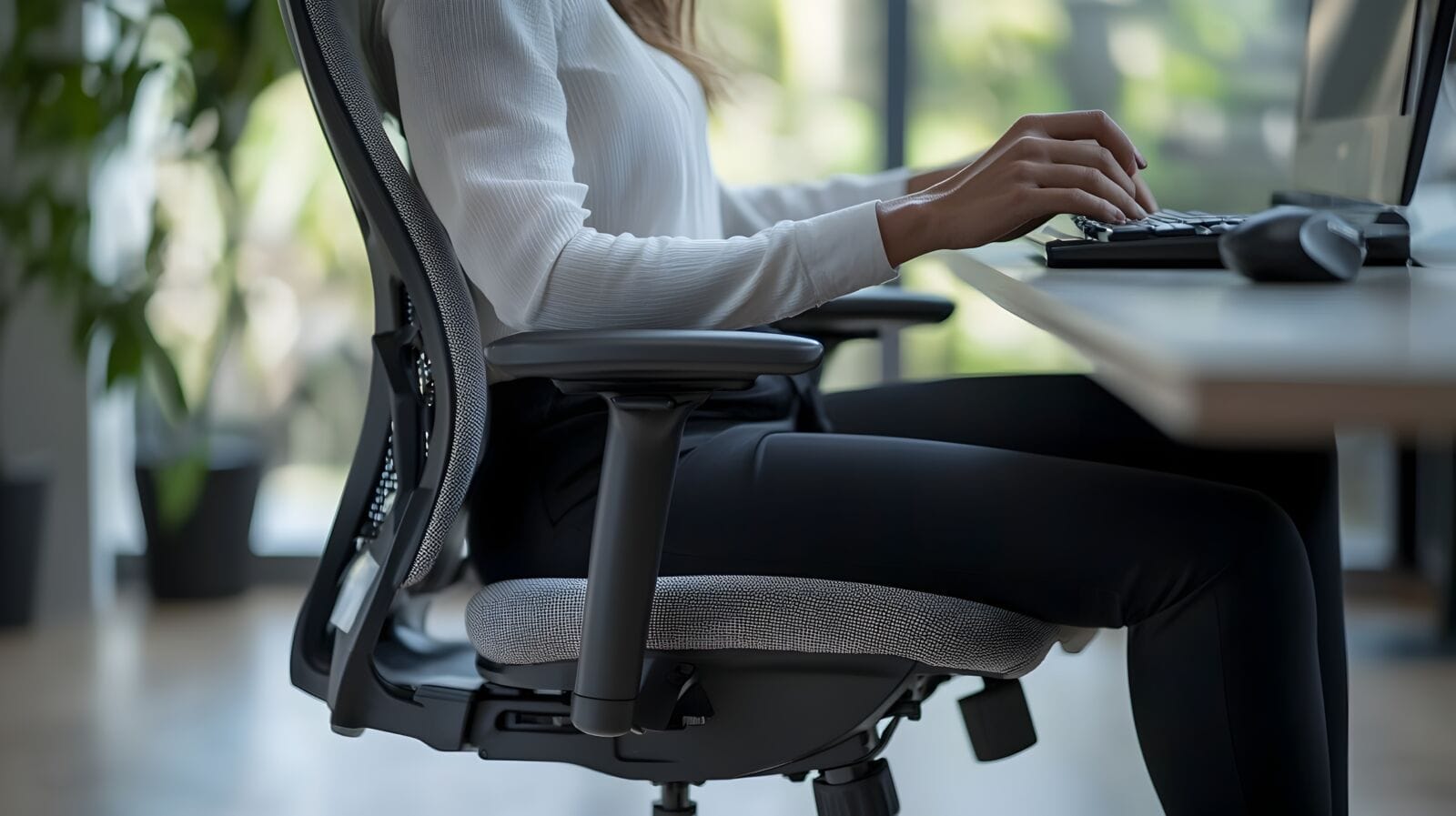
Remote and hybrid work have changed how professionals think about their home offices. A temporary setup at the kitchen table may work for occasional tasks, but it becomes less practical when people spend several days each week working from home. As home-based work becomes more common, demand for the ergonomic desk chair continues to grow. Comfort, adjustability, and long-term support are now important parts of a functional workspace.
The Rise of Remote and Hybrid Work in the U.S.
Remote work is no longer treated only as a temporary arrangement. Many companies now use hybrid schedules that divide the workweek between the office and the home. This shift has encouraged employees to create more permanent workspaces instead of relying on dining chairs, sofas, or other short-term seating options.
A home office often starts with a desk, laptop, and monitor, but the chair has a direct effect on daily comfort. For people who sit through meetings, emails, and focused tasks, an office ergo chair is increasingly becoming a basic part of the setup rather than an optional upgrade.
Why Sitting All Day Is Becoming a Health Concern
Long periods of sitting may contribute to discomfort in the lower back, shoulders, and neck, especially when the chair does not support a balanced posture. The issue is not only how long a person sits. Seat height, lumbar support, arm position, and desk alignment can also affect comfort during the workday.
A poorly matched chair may cause people to lean forward, raise their shoulders, or sit without adequate lower-back support. An ergonomic desk chair cannot replace movement breaks, stretching, or exercise, but it can provide a more supportive sitting position while seated work is necessary.
What Makes an Ergonomic Desk Chair Different
Unlike a dining chair or a fixed office seat, an ergonomic desk chair is designed to adapt to different body types and working habits. Its main advantage is adjustability.
Lumbar support helps maintain a more natural lower-back position. Seat height adjustment allows the feet to rest comfortably on the floor, while seat depth adjustment can reduce pressure behind the knees. Adjustable armrests may help keep the shoulders relaxed and improve desk alignment.
Materials also matter. Breathable mesh and ventilated fabrics can improve comfort during longer work sessions, especially in warmer rooms. Well-designed ergo chairs combine these features to create a more flexible seating experience.
How Ergonomic Desk Chairs Support Productivity
Comfort can influence how well people stay focused during remote work. When a chair causes discomfort, people may shift positions frequently, take unplanned breaks, or lose concentration during demanding tasks. A properly adjusted office ergo chair can reduce these distractions by supporting a more stable working position.
A dedicated chair can also make the home office feel more structured. Sitting at a defined workspace helps separate work time from personal time, which is especially useful in small apartments or shared homes. The goal is not to remain seated for longer without moving. The goal is to make seated work more comfortable while encouraging regular changes in position.
Home Office Setup Is Becoming a Long-Term Investment
As remote work becomes part of everyday working life, home office furniture is increasingly viewed as a long-term investment. People are moving away from improvised arrangements and creating spaces that can support regular use over several years.
An ergonomic desk chair is often paired with a standing desk, monitor arm, footrest, or external keyboard. Each product serves a different purpose, but the overall setup works best when the desk, screen, and chair are aligned correctly. This shift has also increased interest in durable ergo chairs that can handle frequent use without losing stability or support.
What to Consider When Choosing an Ergonomic Desk Chair
The right ergonomic desk chair depends on body type, workspace size, and daily working hours. Lower-back support should be one of the first considerations. Buyers should also compare seat dimensions, weight capacity, armrest adjustment, and seat-height settings.
Durability is important for anyone who works from home several days per week. Breathable materials, a stable base, and reliable adjustment mechanisms can improve long-term value. Price matters, but the lowest-cost office ergo chair is not always the most economical option if it lacks support or needs to be replaced quickly.
Final Thoughts
Remote and hybrid work have changed the role of the home office. A suitable ergonomic desk chair is becoming an essential part of a practical workspace rather than a minor accessory. The growing demand for ergo chairs reflects a broader focus on comfort, productivity, and long-term value.