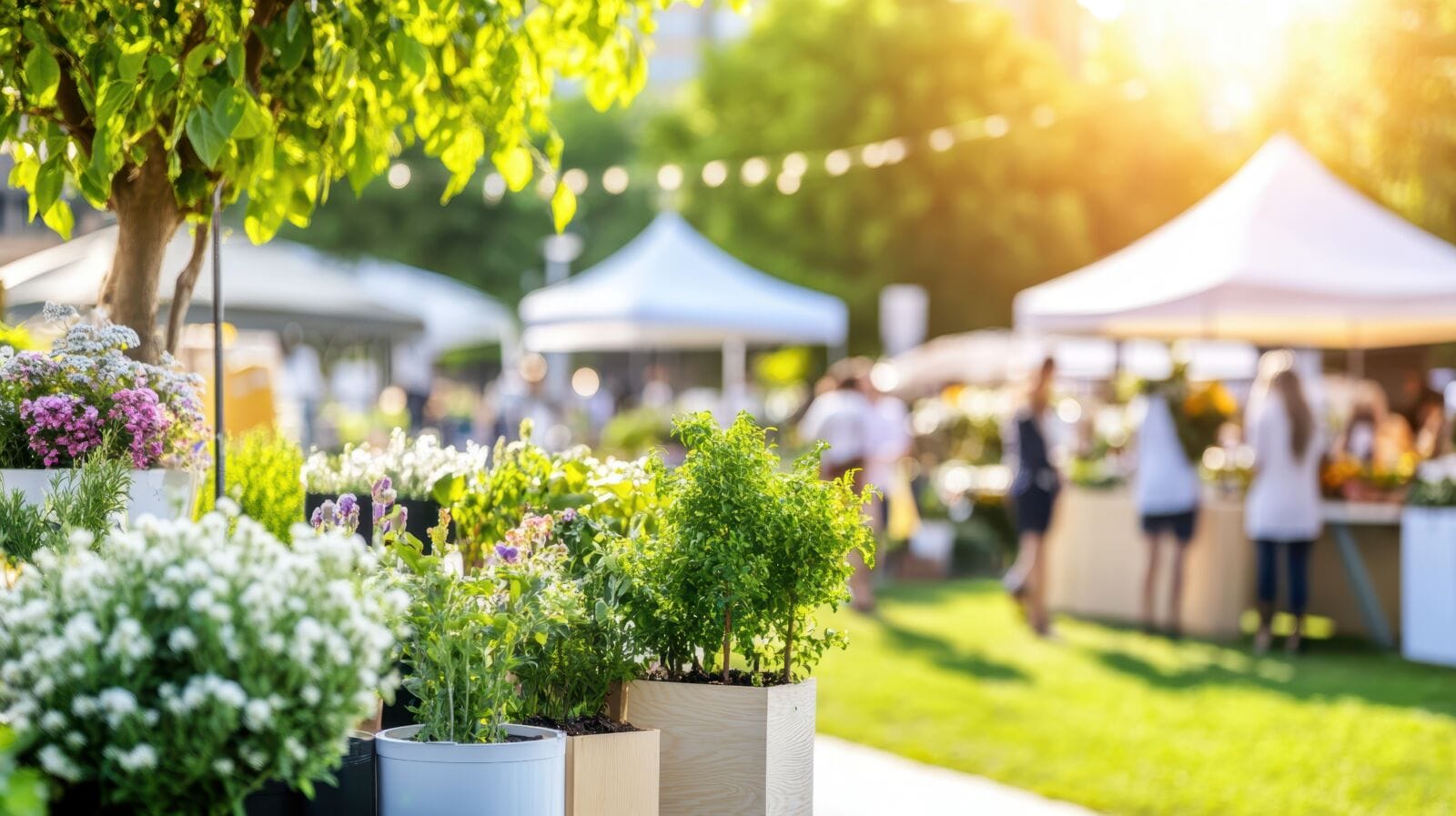
Small business event marketing gives local brands a simple way to get seen by real people in their own community. Instead of hoping customers notice an ad online, you meet them face-to-face at the places they already gather. Outdoor events can build trust fast, create memorable first impressions, and turn casual visitors into repeat customers. The key is showing up with a clear plan, a consistent look, and a few smart tactics that make your brand easy to remember.
Why Outdoor Events Build Local Brand Recognition
Outdoor events work so well because they put your business in front of people in a setting that feels personal, relaxed, and local. A handshake, a product sample, or a quick conversation often creates more trust than a digital ad ever could, especially when the audience already cares about supporting nearby businesses. For small companies, that kind of exposure matters. It helps build local brand recognition in a way that feels natural instead of promotional, and it gives people a real reason to remember your name after the event ends.
Best Types of Outdoor Events for Small Businesses
The best event marketing ideas for small business owners are usually the ones that match their audience and budget. These formats tend to work especially well:
- Farmers markets — Great for steady foot traffic, repeat exposure, and direct conversations with local shoppers.
- Street fairs and festivals — Useful for high visibility, larger crowds, and brands that want fast awareness.
- Seasonal pop-up markets — Ideal for testing new products or reaching people during busy shopping seasons.
- Charity or sports sponsorships — A strong fit for businesses that want to connect with community events and show local support.
- Holiday markets — Helpful for driving short-term sales while introducing your brand to people already in buying mode.
How to Build a Booth That Gets Noticed
A strong booth should be easy to recognize from a distance and simple to understand up close. Clear branding, clean displays, and a setup that feels organized can make a bigger difference than expensive decor. If your space looks polished and welcoming, people are far more likely to stop, ask questions, and remember you later. A proper custom canopy tent, also helps define your space and makes your booth feel like a real part of the event instead of an afterthought.
| Booth Essential | Why It Matters |
| Signage | Makes your business easy to spot and remember from across the event. |
| Giveaways | Gives visitors something useful to take home and keeps your brand visible. |
| POS setup | Makes it easy to collect sales on the spot and reduces friction. |
| Tent/canopy | Protects your setup, frames your space, and strengthens vendor booth branding. |
| ExpoPrint | Try ExpoPrint to design your own branded tent and get noticed more. |
Turning Event Visitors Into Loyal Customers
The real value of outdoor event marketing comes after the event, when you turn interest into follow-up. Every interaction should give people a simple next step so they do not forget you the moment they walk away.
- Use a QR code sign-up so visitors can join your list in seconds.
- Ask people to tag your social media account when they share photos from the event.
- Send a short follow-up email with a thank-you note, product reminder, or special offer.
- Offer a loyalty card or discount code to encourage a second visit or future purchase.
How to Measure Your Event Marketing Success
Measuring results helps you see which brand awareness events are worth repeating and which ones need a better approach. You do not need complicated tools to get a useful picture of performance.
| Metric | How to Track It |
| Foot traffic | Count booth visits or use a simple tally system during the event. |
| Leads collected | Track email sign-ups, QR scans, or contact forms. |
| Social mentions | Monitor tags, shares, and event-related posts after the event. |
| Sales lift | Compare event-day sales or next-week sales to your normal baseline. |
Frequently Asked Questions
What is the best type of outdoor event for a small business?
The best event is the one your target customers already attend. Farmers markets and local festivals often work well because they combine steady traffic with a friendly community atmosphere.
How much does small business event marketing typically cost?
Costs can range from very affordable to more investment-heavy, depending on booth fees, materials, staffing, and setup. Many small businesses start with one manageable event and build from there.
Do I need a permit to set up a booth at a local event?
Often, yes. The event organizer or local city office usually sets the rules, so it is smart to confirm permit, insurance, and vendor requirements before you commit.
How do I measure ROI from an outdoor event?
Compare what you spent to what you gained in leads, sales, and follow-up interest. Even if the event does not drive immediate revenue, it can still be valuable if it strengthens recognition and brings customers back later.
Conclusion
Outdoor events are one of the most practical ways to build trust in a local market because they create repeated, memorable touchpoints with real people. Over time, that consistent presence compounds into stronger recognition and easier sales. The best place to start is simple: choose one local event this season, show up with a clear brand presence, and treat every conversation as the start of a long-term customer relationship.