
So, you’ve got your affiliate links ready, but now what?
You’re not alone! Many people sign up for affiliate programs but fail to complete the most important step: promotion.
The good news? You don’t need a massive following or fancy tools to get started. Instead, follow these:
| Embed Affiliate Links in Blog PostsShare Affiliate Links in Video ContentPromote via Podcasts and WebinarsUtilize Social Media PlatformsIntegrate Affiliate Links into Online Courses | Share Affiliate Links on Online Forums and CommunitiesSend Affiliate Links through Email MarketingLeverage Paid AdvertisingUse Resource Pages and Interactive ContentCollaborate with Influencers and Complementary Brands |
10 Best Ways to Promote Affiliate Links
Here are the effective ways to promote and present your affiliate links in a manner that will undoubtedly lead to clear success.
- Embed Affiliate Links in Blog Posts
Blogging is still the best for affiliate marketing. This platform portrays all content as valuable and honest.
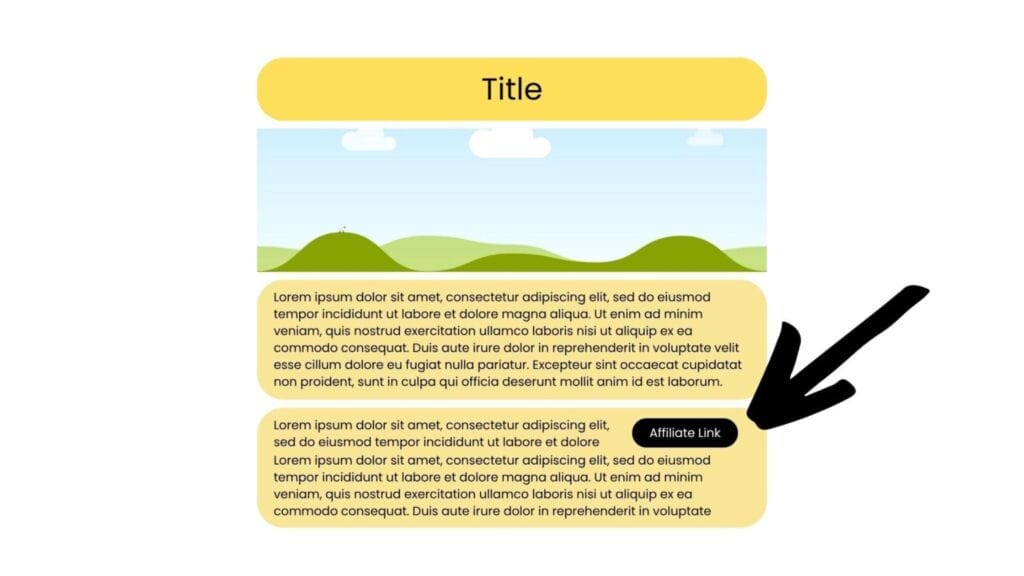
- Write product reviews, comparison posts, or buying guides
- Share personal insights
- Talk about your experience with the product
- Use link-cloaking tools to make your links look clean and trustworthy
- Shorten and mask the long
- Share Affiliate Links in Video Content
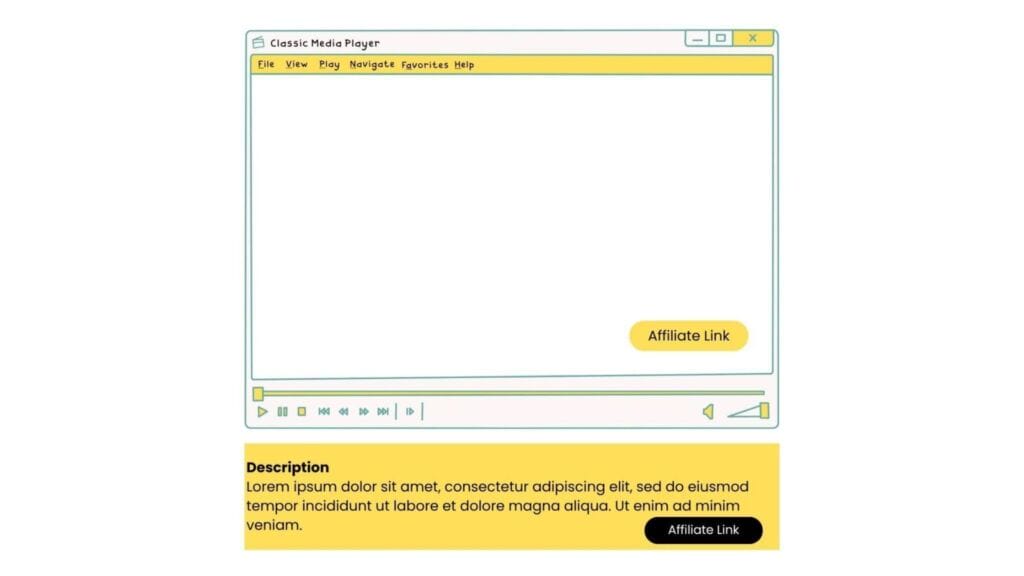
YouTube opens as an excellent opportunity to drive traffic through affiliate links. Your video content is the main thing here.
- Create product reviews, unboxings, or how-to tutorials
- Place clear, clickable affiliate links at the beginning
- Mention affiliate links both visually (on screen) and verbally during the video
- Display URLs or QR codes on-screen to encourage clicks
- Always include the link in the description box, clearly labeled
- Promote via Podcasts and Webinars
If you’re hosting a podcast or webinar, don’t miss the chance to recommend helpful products.
- Mention affiliate items naturally during discussions or lessons
- Add the links to your show notes, chat box, or presentation slides
- Be transparent about your affiliations
- Maintain listener interest
- Provide affiliate links in accessible locations
- Utilize Social Media Platforms
Social media works crazy for promoting affiliate links. However, it needs to be done creatively.
- Share useful or entertaining content on Instagram, TikTok, Facebook, Twitter, or LinkedIn.
- Use link stickers, reels with mention calls, and bio links for directing traffic.
- Add link stickers to stories and save them to highlights for followers.
- Integrate Affiliate Links into Online Courses
Let’s say you are teaching something to the audience. What you will do here is recommend tools or products that naturally fit into the learning experience.
- Embed links in lesson notes, resources, or recommended tools sections
- Make sure they truly add value to the course
- Mention the product’s usefulness from your own perspective
- Place affiliate links contextually within the study materials
- Share Affiliate Links on Online Forums and Communities
Communities like Reddit, Quora, or niche Facebook Groups can be great places to contribute and share links. You just need to do it thoughtfully.
- Focus on providing value first
- Answer questions, solve problems, and be helpful
- Respect each platform’s rules about promotions and links
- Review and follow community guidelines to avoid flags or bans
- Only share affiliate links when they’re truly relevant and add to the discussion
- Send Affiliate Links through Email Marketing
Email is a direct line to your audience. It can be your place to run affiliate promotions if you use it right.
- Build your list using lead magnets like free checklists, guides, or mini-courses
- Send emails with curated resource lists, product highlights, and exclusive deals or discounts.
- Always include a clear disclosure about affiliate links
- Meet legal obligations and build trust
- Leverage Paid Advertising
Ads can drive high-converting traffic to your affiliate content if you have a budget.
- Use Google Ads, YouTube Ads, or social media ads to target specific interests
- Promote high-quality content like product reviews, tutorials, or deal roundups
- Keep testing and optimizing your campaigns based on performance data
- Monitor key metrics like clicks, conversions, and ROI
- Use Resource Pages and Interactive Content
Your website can be a long-term asset for affiliate sales. Bring your valuable content there,
- Create a “Recommended Tools” or “Resources I Use” page
- Engage your audience with tutorials, webinars, or exclusive resources.
- Embed affiliate links in downloadable guides, interactive tools or demos, and free templates
- Collaborate with Influencers and Complementary Brands
You don’t have to go it alone. Get a partner to boost your affiliate reach.
- Team up with micro-influencers or complementary brands
- Do joint promotions, co-hosted events, or bundled offers
- Focus on offering mutual value and keeping promotions transparent
- Ensure all partnerships are authentic
- Maintain audience trust and comply with regulations
DEEPER DIVE: Read all the Ranking Arizona Top 10 lists here
INDUSTRY INSIGHTS: Want more news like this? Get our free newsletter here
4 Best Practices for Using Affiliate Links
To make affiliate marketing work well and keep it legit, you should stick to some basic best practices. This way, you’ll gain the trust of your audience. Follow these:
Always disclose affiliate relationships
- Just be clear about your affiliate links. Something like, “This post has affiliate links; if you buy through them, I may earn a commission at no extra cost to you,” helps build trust.
Focus on adding value
- Don’t just drop links. Make sure they’re part of helpful content. It can be solving a problem, reviewing a product, or offering recommendations. Your goal is to help your audience.
Track performance and update links regularly
- Use tools like Pretty Links, Bitly, or affiliate dashboards to see what’s working. Broken or outdated links hurt your credibility, so keep them fresh and relevant.
Avoid overloading your content
- Too many links can feel spammy and turn readers off. Instead, include only the most relevant links. You can space them out naturally and focus on quality over quantity.
Frequently Asked Questions: Promoting Affiliate Links
How do I promote an affiliate link?
Promote affiliate links by embedding them in valuable content like blog posts, videos, emails, or social media.
How do I get traffic to my affiliate links?
Drive traffic through SEO-optimized content, social media posts, YouTube videos, email newsletters, and paid ads.
Where is the best place to promote affiliate links?
The best place depends on your audience. Blogs, YouTube, Instagram, and email lists often perform well.
How to boost a link?
Boost affiliate links by sharing across multiple platforms, using strong call-to-actions, SEO, and tracking performance.