
An overdue invoice can put a small business in an uncomfortable position. The work has already been completed, operating expenses continue to arrive, and the client may still be promising that payment is “coming soon.”
For freelancers and independent contractors, the situation can feel even more personal. A client relationship that began on good terms can quickly turn into repeated follow-ups, unanswered emails, and uncertainty about what to do next.
The first missed payment date does not always mean a serious dispute has begun. Administrative delays and simple misunderstandings happen. But when reminders stop producing useful answers, the issue is no longer just about sending another message. It becomes a matter of documenting the agreement, the completed work, the amount owed, and the steps taken to request payment.
Know When Overdue Invoice Reminders Are No Longer Helping
A friendly reminder shortly after the payment deadline is usually reasonable. It gives the client an opportunity to explain whether the invoice was overlooked, sent to the wrong person, or delayed by an internal approval process.
The problem begins when every follow-up repeats the same request without moving the situation forward. Warning signs may include:
- The client repeatedly promises a payment date but misses it
- Messages receive vague answers without a specific explanation
- The client disputes work that was previously approved
- The accounts payable contact stops responding
- The client asks for more time but will not commit to a date
- Several reminders have already been ignored
At this point, sending another short “just checking in” email may add little value. The business should instead review the full record and prepare a more precise written request.
Start With the Original Client Agreement
Before asking for payment again, confirm what the parties actually agreed to. Gather the documents that define the project and its payment terms.
Depending on the working relationship, these records may include:
- A signed contract
- An accepted proposal or estimate
- The original quote
- A statement of work
- Purchase orders
- Email or message approvals
- The invoice and any revised versions
- Payment schedules or milestone terms
Look for the agreed price, payment deadline, project scope, and conditions for approving completed work. If the agreement changed during the project, preserve the messages showing who requested the change and whether the price or timeline was adjusted.
This review helps prevent a payment request from relying on memory alone. It also makes it easier to identify whether the disagreement concerns the amount, the quality of the work, the delivery date, or something else.
READ MORE: $120 million The Switchyard breaks ground in Queen Creek
DEEPER DIVE: The Collective on Ocotillo brings medical offices to Queen Creek
Create a Clear Invoice and Payment History
A useful payment record should allow another person to understand the financial side of the dispute without reading months of unrelated communication.
Record the invoice number, issue date, due date, and outstanding amount. If the client made a partial payment, show the original balance, the amount received, and what remains unpaid. Keep copies of bank records, payment confirmations, or failed transaction notices where relevant.
It is also helpful to create a short timeline showing:
- When the agreement was made
- When the work began
- When important milestones were completed
- When the final work was delivered
- When the invoice was issued
- When payment became due
- When reminders were sent
- What the client said in response
The timeline does not need to contain opinions or accusations. Its purpose is to make the sequence of events easy to follow.
Preserve Proof That the Work Was Completed
An invoice shows that payment was requested, but it may not prove that the business completed its obligations. Freelancers and contractors should also save records showing what was delivered.
Useful records might include final files, delivery emails, shared-folder notifications, time records, completion photographs, client approvals, or messages confirming receipt. For ongoing projects, progress reports and milestone signoffs may help show how the work developed.
Avoid editing the original files solely for the dispute. Preserve the original versions and their dates whenever possible. If project materials are stored in an online service, download important records before access expires or the client removes the account.
Save the Client’s Payment Promises and Explanations
A client’s own messages may help clarify whether the invoice was disputed or simply delayed.
For example, a message saying, “We received the invoice and will pay on Friday,” tells a different story from one claiming that the work was incomplete. Save emails, text messages, and platform conversations in which the client:
- Confirms receiving the work or invoice
- Approves a milestone or final delivery
- Acknowledges the outstanding balance
- Promises payment on a particular date
- Requests additional time
- Explains why payment has not been made
- Raises a complaint about the work
Keep enough context to show who sent each message and when. A cropped screenshot that removes names, dates, or surrounding messages may be less useful than a complete conversation record.
Make the Next Payment Request Specific
Once the records are organized, the next request should clearly state what is owed and what action is expected.
Include the invoice number, outstanding amount, original due date, and a new response or payment deadline. If the client has raised a concern, address it directly rather than ignoring it. Attach or reference the relevant invoice and explain where payment should be sent.
The wording should remain factual and professional. Emotional accusations, public threats, or exaggerated legal claims can distract from the central issue. The objective is to make the requested resolution unmistakable.
Instead of saying, “Please pay as soon as possible,” state the exact amount and the date by which payment is requested. If partial payment or another arrangement would be acceptable, describe those terms clearly.
When to Use a Free Demand Letter Generator for an Unpaid Invoice
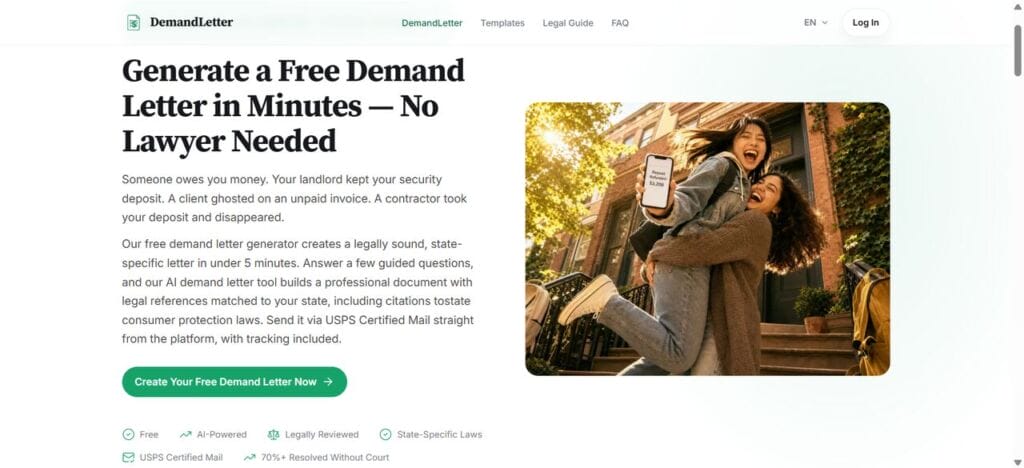
When ordinary reminders have failed, a formal demand letter can place the facts, amount, and requested resolution into one document.
A free demand letter generator can help turn the invoice amount, payment deadline, completed work, and previous follow-ups into a clearer written demand. The final letter should still be reviewed carefully to confirm that every date, amount, and statement is accurate.
A demand letter generally works best when it identifies the parties, explains the agreement, describes the completed work, states the unpaid amount, and gives a clear deadline for responding. It should also preserve a professional tone and avoid making claims that cannot be supported by the available records.
Keep the final version of the letter and evidence of how it was delivered. If it was sent by email, retain the sent message and any response. If a trackable mailing method was used, preserve the receipt and delivery information.
How to Organize Small Claims Evidence if the Dispute Continues
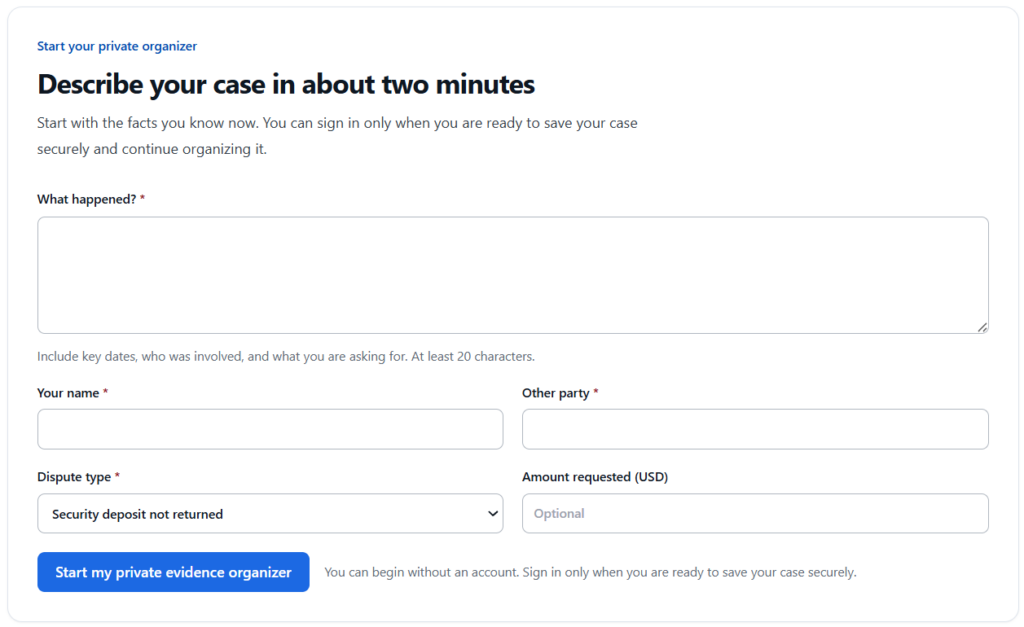
A demand letter may lead to payment or a negotiated resolution, but it may also be ignored. If the matter could proceed to small claims court, organize the supporting material before documents become difficult to locate.
Relevant small claims evidence may include the contract, invoice, delivery records, communications, and other materials that create a factual case record. Photographs, receipts, estimates, proof of payment, and a chronological timeline may also be relevant, depending on the dispute.
The goal is not to collect every file connected to the client. It is to preserve the records that help answer a few basic questions:
- What did each side agree to?
- What work was completed?
- How much remains unpaid?
- When was payment due?
- What did the client say about payment?
- What efforts were made to resolve the issue?
Keep original records wherever possible and organize copies by date or category. A smaller, clearly labeled collection is generally easier to review than a large folder of unrelated screenshots and duplicate files.
Treat Documentation as Part of Getting Paid
Small businesses often focus on delivering good work and maintaining client relationships. Documentation can feel secondary until a payment problem occurs.
But a clear contract, organized delivery record, and consistent payment history are not only useful after a dispute begins. They can also prevent confusion, support professional follow-up, and make expectations easier to enforce.
When a client misses a deadline, begin with a reasonable reminder. If the delay continues, stop repeating the same informal request. Review the agreement, document the completed work, record the payment history, and communicate the exact resolution being requested.
The earlier those records are organized, the easier it becomes to move from an unanswered invoice to a clear, fact-based next step.