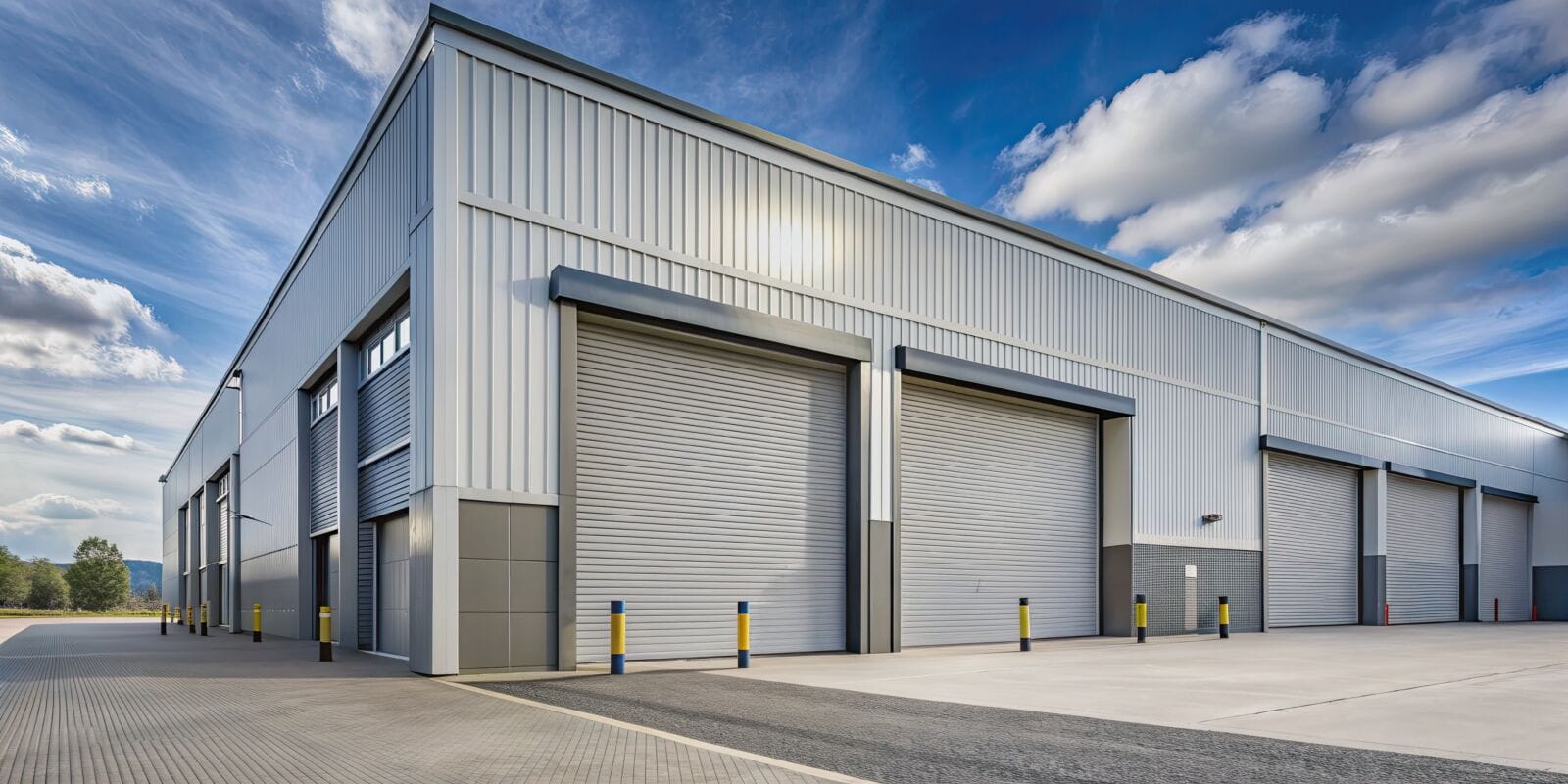
Supply chains depend on consistency, timing, and protection from the unexpected. Weather has a way of disrupting all three. Rain, wind, extreme heat, and sudden storms can slow operations or even shut them down entirely. That is where weather-resistant industrial doors come in. Industrial doors Miami are built to help keep operations steady when conditions outside are anything but predictable.

Weather Is a Threat to Supply Chain Operations
Small Weather Issues Can Create Big Delays
Weather disruptions do not always start with something dramatic. A heavy rainstorm can slow loading times. Strong winds can make it harder to operate standard doors. Temperature swings can affect sensitive goods. These small issues add up quickly and create delays that ripple across the entire supply chain. In busy facilities, even a short delay at a loading dock can throw off schedules for the rest of the day.
Exposure at Entry Points Creates Vulnerability
Doors are one of the most exposed parts of any industrial building. Every time a door opens, the inside environment is briefly connected to the outside. Without proper protection, that exposure can lead to water intrusion, temperature loss, and even damage to equipment or inventory. Weather-resistant doors help control that exposure and reduce the impact of outside conditions.
Downtime Costs More Than You Think
When supply chain operations slow down or stop due to weather, the financial impact can be significant. Missed delivery windows, spoiled goods, and idle workers all contribute to higher costs. Preventing those disruptions becomes a priority for facilities that rely on consistent performance. That is where investing in the right door systems starts to make sense.
Key Features That Make Industrial Doors Weather-Resistant
Weather-resistant doors are designed with specific features that help them handle harsh conditions.
- Reinforced Structural Design: These doors are built tough. They handle strong winds and pressure changes without shaking. Even during rough weather, they stay stable and keep things running inside.
- Advanced Sealing Systems: Tight seals make a big difference. They block out water, dust, and outside air. This helps keep the indoor environment controlled and much easier to manage.
- Insulated Door Panels: Insulation helps keep temperatures steady. That matters for sensitive products. It also helps reduce energy loss, which can lower overall operating costs over time.
- Corrosion Resistant Materials: These doors are made to last. Special coatings protect against moisture, humidity, and even salty air. This helps prevent rust and long term damage.
- High Speed Operation: Speed really helps here. Doors open and close quickly. That means less exposure to outside conditions and smoother movement for people, vehicles, and equipment.
- Impact Resistance: Things can get hectic in busy facilities. These doors can handle accidental bumps or flying debris. They are built to take hits without failing when it matters most.
How These Doors Help Keep Supply Chains Moving
Maintaining Consistent Internal Conditions
Temperature control is critical in many industries. Weather-resistant doors help maintain stable conditions inside warehouses, especially in cold storage or climate-sensitive environments. By minimizing air exchange, they protect products and reduce strain on HVAC systems. This consistency helps prevent product loss and keeps operations running smoothly.
Reducing Delays at Loading Areas
Loading docks are one of the busiest parts of any facility. When weather interferes, delays can stack up quickly. Doors that operate reliably in all conditions help keep trucks moving in and out without unnecessary interruptions. That steady flow makes a noticeable difference in overall efficiency.
Protecting Equipment and Inventory
Water intrusion and debris can damage equipment and stored goods. Weather-resistant doors act as a barrier, reducing the risk of damage during storms or extreme conditions. Keeping equipment operational and inventory safe helps avoid costly repairs and replacements. That level of protection supports long-term operational stability.
Where Weather-Resistant Doors Make the Most Impact
Certain industries rely heavily on protection from environmental conditions.
- Cold Storage Facilities: Keeping temperatures low is a big deal here. Insulated doors help prevent sudden changes. Even with frequent access, they help maintain consistency and protect temperature sensitive goods.
- Food and Beverage Warehouses: Clean, controlled spaces matter a lot. Strong seals help keep contaminants out. At the same time, they help prevent spoilage by maintaining stable internal conditions.
- Pharmaceutical Distribution Centers: These spaces need tight control. Sensitive materials depend on stable environments. Good door systems help support compliance while keeping products safe and effective.
- Manufacturing Plants: Production lines run better with consistency. These doors help reduce exposure to moisture and temperature shifts. That means fewer disruptions and smoother day to day operations.
- Logistics and Distribution Hubs: These places never slow down. Doors need to keep up with constant movement. Reliable systems help avoid delays and keep everything flowing without bottlenecks.
- E-commerce Fulfillment Centers: Fast order processing is everything here. Doors that open and close quickly help keep pace with demand while maintaining a stable environment inside the facility.
- Coastal Facilities: Being near water adds challenges. Humidity and salt can cause damage over time. Corrosion resistant industrial doors help handle these conditions and last much longer.
Things to Consider When Choosing an Industrial Door System
Matching the Door to Your Environment
Every facility faces different weather challenges. Coastal areas deal with salt and humidity, while inland locations may face extreme heat or storms. Choosing a door that matches your specific environment helps ensure long-term performance. Awareness of these factors makes a big difference in selecting the right system.
Balancing Durability and Speed
Strong industrial doors are important, but speed also matters. High-speed operation reduces exposure time and helps maintain efficiency. Finding the right balance between durability and performance is key to getting the most value from your investment. This balance supports both protection and productivity.
Planning for Installation and Integration
Installing a new door system is not just about the door itself. It involves integration with existing infrastructure, including loading docks and control systems. Proper planning helps ensure a smooth installation process and minimal disruption to operations. A well-executed setup leads to better long-term results.
Considering Maintenance and Longevity
Even the best systems need regular maintenance. Choosing industrial doors Miami with durable materials and reliable components helps reduce upkeep requirements. Having a maintenance plan in place ensures the system continues to perform as expected over time. Consistency in performance supports overall efficiency.