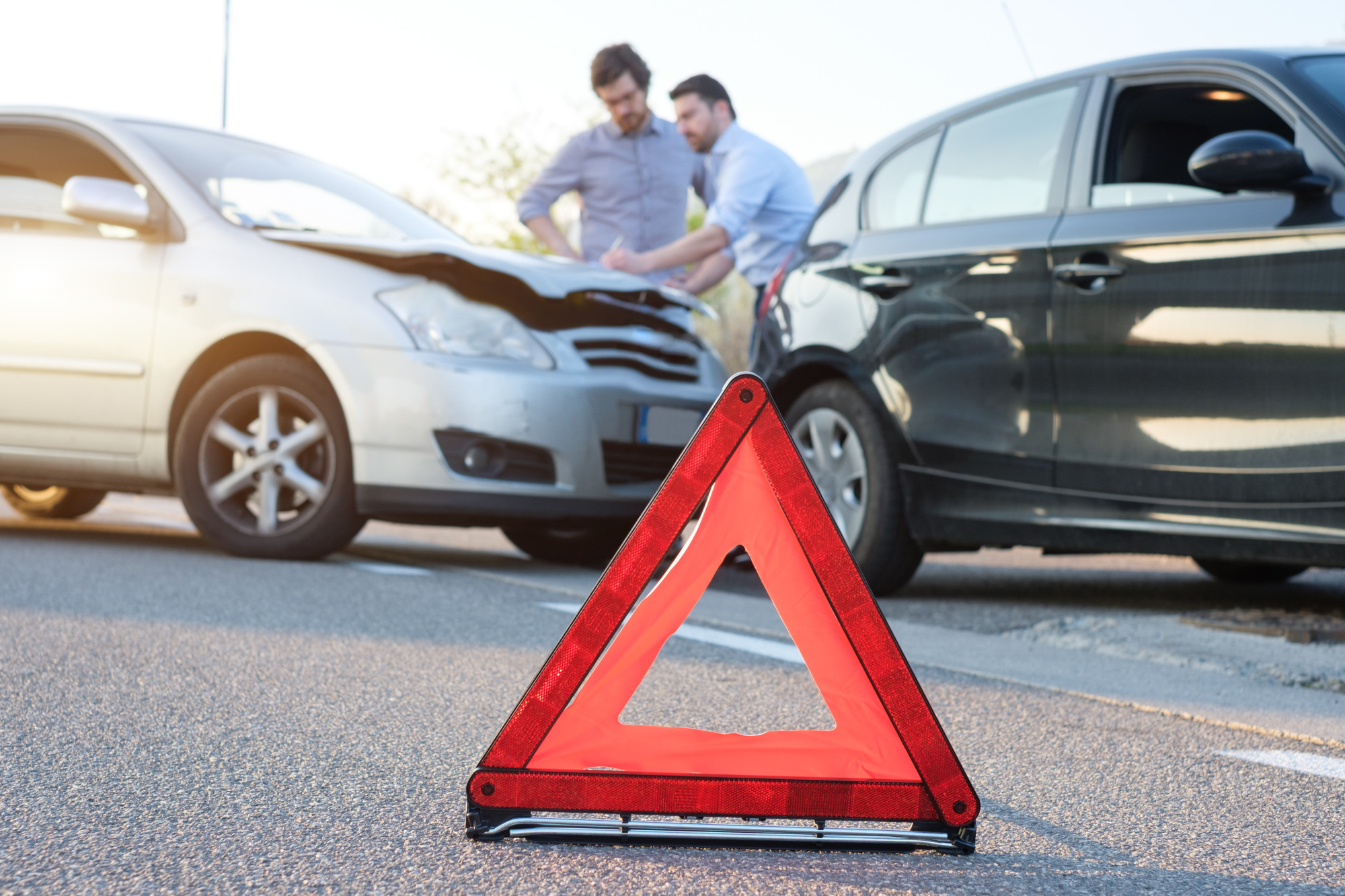
Tailgating is sometimes treated like ordinary impatience. A driver may follow too closely because traffic is slow, they are in a hurry, or they want the vehicle ahead to move faster. But tailgating is not just rude driving. It can remove the space needed to avoid a crash.
Rear-end collisions caused by tailgating can leave victims with painful and lasting injuries. Even when the crash happens at moderate speed, the body may be thrown forward and backward suddenly. The closer the following vehicle is, the less time the driver has to brake, steer, or respond safely.
1. Tailgating Steals the Time Needed to React
Every driver needs time to recognize danger. Brake lights, traffic backups, turning vehicles, pedestrians, weather, and road hazards can all require a quick response. When a driver follows too closely, the reaction window becomes dangerously small.
A safe following distance gives the driver time to notice a change and respond before impact. Tailgating removes that cushion. By the time the following driver realizes the vehicle ahead has slowed or stopped, the crash may already be unavoidable.
2. Sudden Stops Become More Violent
Traffic rarely moves perfectly. A driver may need to stop for a red light, merging vehicle, animal, pedestrian, cyclist, school bus, emergency vehicle, or unexpected backup. These stops are part of normal driving, not excuses for a rear-end crash.
When a tailgating driver cannot stop in time, the force of impact may be severe. The front vehicle may be pushed into another car, shoved into an intersection, or forced off the road. What should have been a routine stop can become a serious collision because the following driver left no room for safety.
3. Neck and Back Injuries Can Develop Quickly
Rear-end crashes are strongly associated with neck and back injuries because the body moves suddenly with the impact. A victim’s head and torso may snap forward and backward, straining muscles, ligaments, discs, joints, and nerves.
Pain may begin immediately or appear hours later. A person may notice stiffness, headaches, shoulder pain, lower back pain, tingling, or reduced range of motion. These symptoms should not be dismissed because the crash seemed simple. A tailgating crash can create soft tissue and spinal injuries that disrupt work, sleep, driving, and daily routines.
4. Chain-Reaction Impacts Can Multiply the Harm
Tailgating can create more than one collision. When a rear vehicle strikes the car ahead, that car may be pushed into another vehicle. In heavy traffic, several vehicles may become part of the same crash sequence.
This can make injuries more complicated. A victim may experience an initial rear impact, then a second impact from being pushed forward. The body may move in different directions, creating pain in the neck, back, shoulders, knees, hips, or head. Vehicle damage, witness statements, and photos can help show how the chain reaction unfolded.
5. Tailgating Can Make Fault Disputes More Complicated
Rear-end crashes may seem straightforward, but insurers can still raise disputes. The following driver may claim the front vehicle stopped suddenly, had broken brake lights, changed lanes too closely, or caused the crash in some other way.
Those claims should be reviewed carefully. A Portland car crash attorney may examine police reports, vehicle damage, dashcam footage, traffic cameras, witness statements, and road conditions to understand whether the following driver failed to leave enough space. The central question is often whether the driver had a reasonable opportunity to avoid the collision.
6. Emotional Effects Can Follow the Physical Injury
A tailgating crash can also affect how a person feels behind the wheel afterward. Victims may become nervous when another vehicle follows closely. They may tense up in traffic, avoid certain roads, or feel anxious at stoplights. These reactions can be especially strong when the crash was sudden, and the victim had no chance to protect themselves.
Emotional distress may affect sleep, concentration, work, and confidence while driving. It can also make physical recovery harder. Victims should report anxiety, fear, nightmares, or driving-related stress if those symptoms interfere with daily life.
Vehicle Damage Does Not Always Tell the Full Story
Some insurance companies focus heavily on repair costs. If the vehicle damage appears limited, they may argue the injuries must also be minor. That is not always fair.
A person’s body does not absorb force the same way a bumper does. Seat position, headrest placement, prior medical history, direction of impact, and whether the person was turned or relaxed at the moment of collision can all affect injury severity. Medical records and symptom timelines may explain harm that a repair estimate does not show.
Medical Care Should Not Be Delayed
After a rear-end crash, victims may feel shaken but assume they can wait and see how they feel. That can be risky. Pain may worsen after adrenaline fades, and delayed care may create questions later about whether the injury was connected to the crash.
Prompt medical evaluation can protect health and create a clear record. Follow-up care is also important if symptoms continue or change. Medical notes, imaging, prescriptions, therapy records, and work restrictions can help show how the injury developed after the collision.
Evidence Can Show the Following Distance Problem
Tailgating may be proven through more than the drivers’ statements. Skid marks, vehicle positions, impact damage, dashcam video, nearby cameras, traffic conditions, and witness observations may all help show whether the following vehicle was too close.
Photos should capture the scene, road layout, damage to both vehicles, traffic signals, weather, and any other vehicles involved. If the crash happened in stop-and-go traffic, witnesses may be able to describe whether the rear driver had been following aggressively before impact.
When Close Following Causes Lasting Damage
Tailgating can turn an ordinary traffic slowdown into a serious injury crash. It reduces reaction time, increases impact risk, creates chain-reaction collisions, and can leave victims with neck, back, head, and emotional injuries.
Drivers are responsible for leaving enough space to respond safely to changing traffic. When they fail to do that, the injured person should not be left to deal with the consequences alone. A careful review can help show how close following caused the crash and how the injuries affected the victim’s health, work, and daily life.