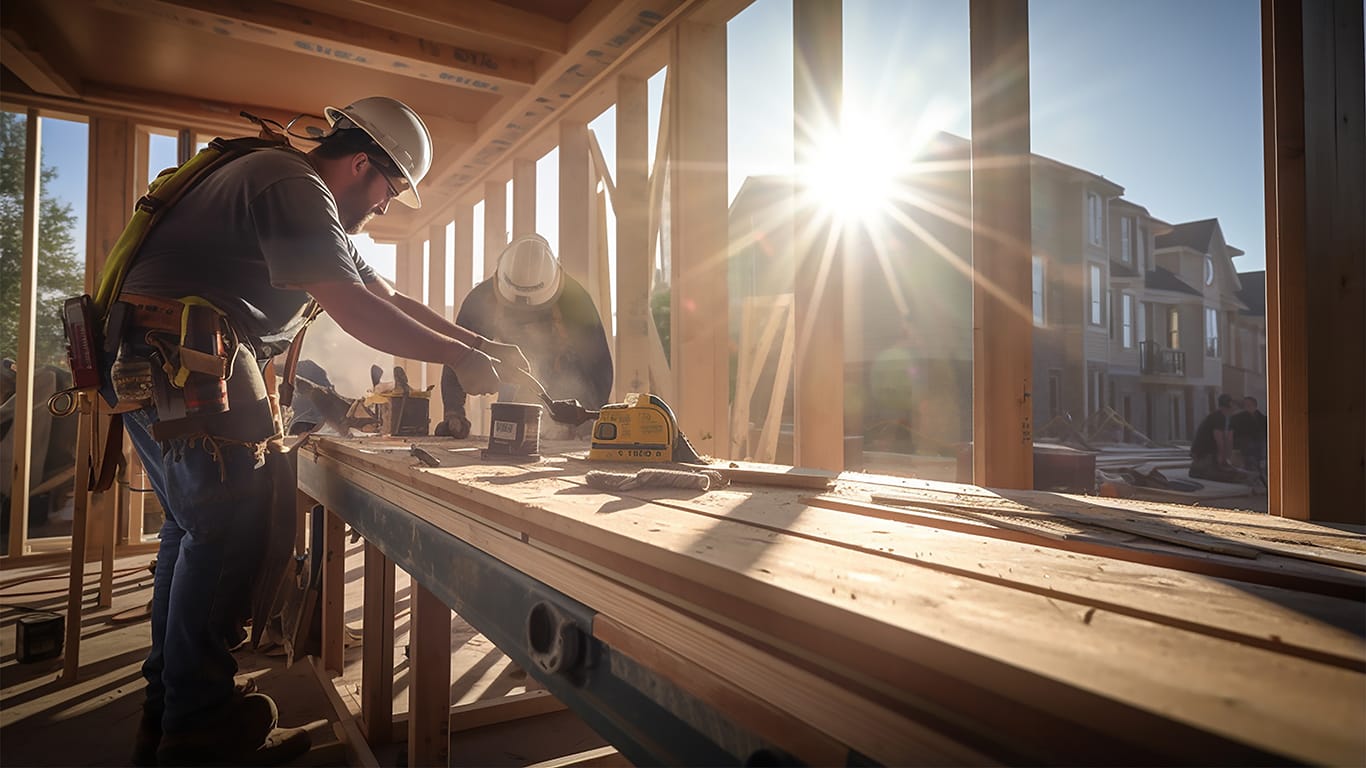
Construction sites change constantly as crews, equipment, materials, and work areas move from one phase of a project to another. Workers may perform tasks at elevation, beside heavy machinery, around exposed electrical systems, or inside excavations. OSHA organizes several of the industry’s most serious dangers into its Construction Focus Four categories: falls, struck-by hazards, caught-in or caught-between hazards, and electrocution.
When an injury leads someone to seek information from Grey Law Accident & Injury Lawyers, identifying the hazard is only the beginning. Investigating a construction accident can require examining who controlled the work area, which safety measures applied, whether equipment was properly maintained, and whether site conditions changed before the incident. The following seven hazards illustrate how very different construction activities can expose Los Angeles workers to serious harm.
1. Falls From Elevated Work Areas
Construction frequently requires employees to work from roofs, building edges, ladders, scaffolds, platforms, and unfinished floors. An unprotected edge, floor opening, unstable working surface, or improperly configured fall-protection system can expose a worker to a fall before there is time to react.
California’s construction fall-protection rules require approved personal fall arrest, restraint, or positioning systems in specified situations where employees are exposed to falls exceeding 7½ feet and are not otherwise adequately protected. The rules also address anchorage, lifelines, harness systems, inspection, and the distance a worker may fall before a system arrests the descent.
2. Workers Being Struck by Vehicles or Moving Objects
A construction site may contain trucks, forklifts, cranes, loaders, excavators, suspended materials, tools, and building components moving through the same area as workers on foot. A struck-by incident can occur when equipment backs into a worker, material falls from above, or an object is propelled from machinery or a tool.
OSHA includes struck-by hazards among its Construction Focus Four because the category covers several distinct mechanisms. Prevention can involve controlling vehicle routes, securing materials, maintaining separation between workers and operating equipment, using appropriate protective equipment, and coordinating lifting or material-handling activities so workers are not positioned in the path of moving loads.
3. Caught-In or Caught-Between Hazards
Workers can suffer severe injuries when part of the body becomes trapped between machinery, materials, structural components, or the ground. These accidents include becoming pulled into rotating machinery, pinned between a vehicle and a wall, or crushed when equipment or material shifts unexpectedly.
OSHA treats caught-in and caught-between incidents as another Focus Four hazard. The circumstances may overlap with guarding, equipment operation, excavation work, or hazardous-energy control. Because the mechanism can involve several employers or pieces of equipment, an investigation may need to reconstruct who controlled the machinery, what work was underway, and whether the worker entered a recognized danger zone.
4. Electrical Contact and Energized Equipment
Construction workers can encounter electrical hazards while installing wiring, using temporary power, operating tools, working near overhead lines, or performing demolition around existing electrical systems. Contact with energized equipment can cause electrical burns, shock, or electrocution.
Electrical hazards become more difficult to manage when workers assume a conductor is de-energized without proper verification or when equipment is operated too close to power sources. OSHA includes electrocution among its Construction Focus Four and provides dedicated training materials covering power lines, electrical equipment, grounding, and other common sources of exposure.
5. Trench and Excavation Cave-Ins
Excavations create hazards that can change as soil conditions, weather, equipment movement, and nearby loads change. A trench wall that appeared stable earlier in the day may become less reliable after vibration, rain, or changes to the excavation. Workers can also be exposed to falling material or unstable structures near the excavation.
California Section 1541.1 generally requires employees in excavations to be protected from cave-ins through an adequate protective system unless one of the regulation’s exceptions applies. Section 1541 also requires inspections by a competent person before work begins and as needed during the shift, including after rainstorms or other events that increase hazards. Workers must be removed when the inspection identifies conditions that could lead to a cave-in or other dangerous situation.
6. Unsafe or Deteriorated Scaffolding
Scaffolds give workers access to elevated areas but create hazards if their platforms, supports, ties, planks, or other structural components are damaged or incorrectly installed. Loading the scaffold beyond its capacity or placing it on an unstable base can also affect the stability of the entire structure.
California’s metal-scaffold regulation requires scaffolds to support the dead, live, and wind loads they will experience. Broken or deteriorated metal scaffold equipment that has become structurally weakened cannot be used, and scaffold legs must rest on adequately supported base plates. The rules also contain detailed requirements for tying scaffolds to buildings or structures to reduce tipping and instability.
7. Respirable Crystalline Silica Exposure
Some construction hazards cause immediate injuries, while others develop through occupational exposure. Cutting, grinding, drilling, crushing, or otherwise disturbing materials such as concrete, stone, brick, block, and mortar can create respirable crystalline silica particles. These particles are small enough to reach deep into the lungs.
California Section 1532.3 regulates occupational exposure to respirable crystalline silica in construction. It includes specified control methods for common tasks, requirements for exposure assessment in other situations, engineering and work-practice controls, respiratory protection where required, employee training, and written exposure-control planning. Cal/OSHA identifies illnesses associated with silica exposure including silicosis, lung cancer, chronic obstructive pulmonary disease, and kidney effects.
Construction Hazards Often Overlap
A single accident can involve more than one safety problem. A worker on a scaffold might be exposed simultaneously to a fall hazard and electrical lines. Someone inside an excavation may face both cave-in risks and material falling from above. A worker cutting concrete at elevation can encounter silica exposure while also depending on properly installed fall protection.
That overlap is why construction accident investigations often need to consider the entire work environment rather than one isolated hazard. Site photographs, safety plans, equipment records, training documents, inspection reports, contracts, and witness accounts can help establish what conditions existed and which employer or contractor controlled them. Recognizing the hazard is the first step; understanding how it developed can reveal whether safeguards required for the work were present and functioning when the accident occurred.