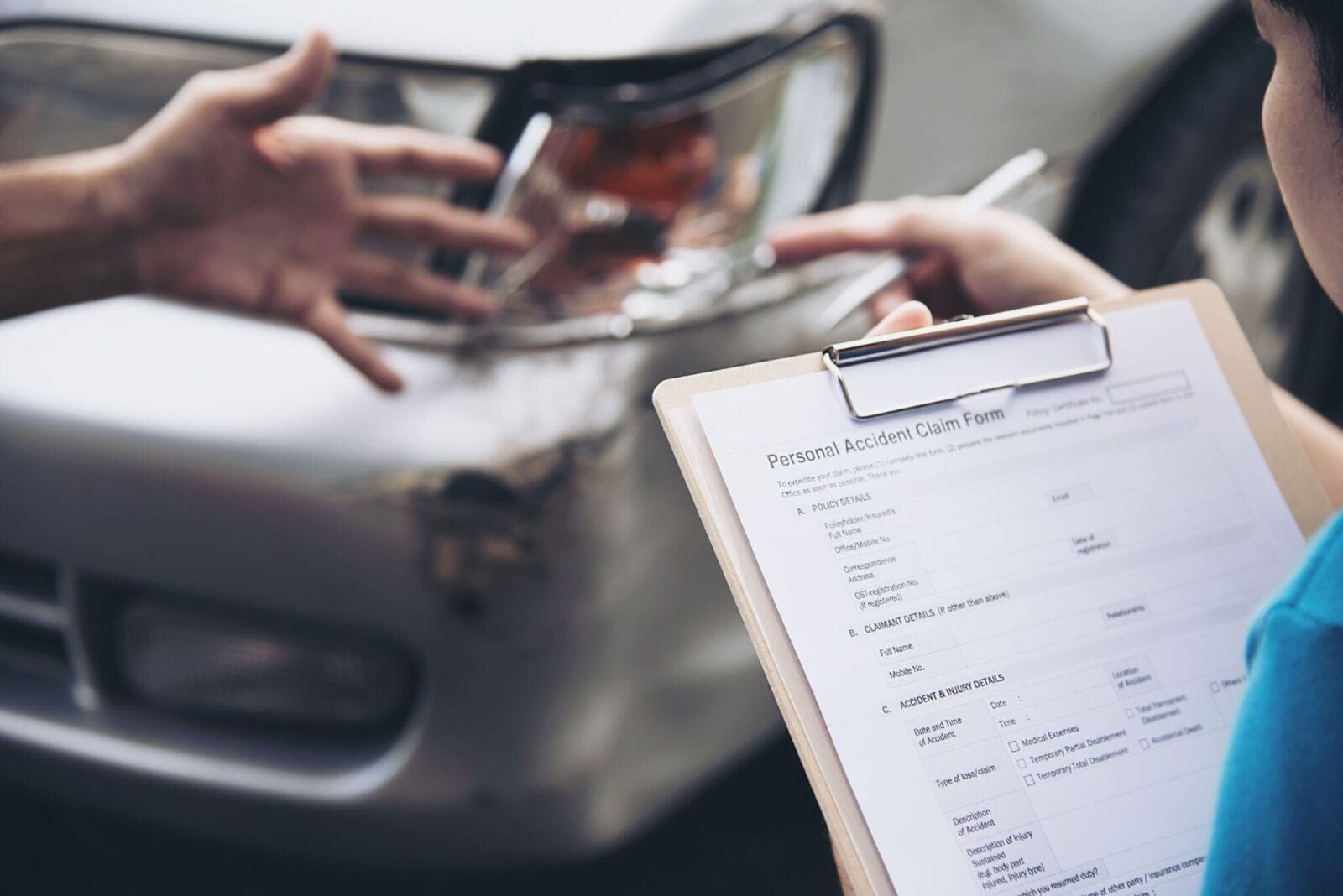
Getting involved in an accident is traumatizing in itself. And when other factors pile up, they add to the stress. You call your insurance company expecting help, and the first thing they ask is whether the other driver had coverage. You say no. The line goes quiet for a second. Then the conversation shifts in a way you weren’t expecting. Suddenly, you’re not a loyal customer who just got rear-ended on McFarland Boulevard. You’re a claimant. And the person on the other end of the phone is trained to close that claim for as little as possible, even though you’ve been paying premiums for years.
Alabama has one of the highest uninsured motorist rates in the country. Nearly one in five drivers on Tuscaloosa’s roads doesn’t carry a policy. That’s not a distant statistic when you’re standing on the shoulder of Highway 82 staring at the back of your crumpled car. A Tuscaloosa uninsured motorist accident attorney knows exactly how to handle what comes next, because “next” is where most people lose money they didn’t have to lose. Here are 9 steps that protect you.
1. Call the Police
Even if the other driver is begging you not to call the police, still call the police. They may offer to pay cash or promise to handle it. But, in reality, they won’t.
An official accident report documents fault, the lack of insurance, and the details you’ll need for every step after this. In Tuscaloosa, request your copy from TPD or the Tuscaloosa County Sheriff’s Office, depending on where the wreck occurred.
2. Check Your Insurance Policy
Pull out your insurance policy and find the declarations page. Look for uninsured motorist coverage. Alabama doesn’t require it, but insurers usually offer it when you buy a policy.
If you’ve got UM coverage, that’s your primary path to recovery. If you don’t, you’re in a difficult spot but not a hopeless one.
3. Never Give a Recorded Statement
Don’t give a recorded statement to your own insurance company without an attorney. They’ll ask for one quickly. It sounds routine. It isn’t. Anything you say in that recording gets used to minimize your payout. Let your attorney handle the communication.
4. Understand Your Claim
Understand that your UM claim is against your own insurer. This trips people up. You’re not filing against the uninsured driver’s nonexistent policy. You’re filing against yours. And your insurer treats it like any other claim; they want to pay as little as possible. Loyal customer or not, the incentives don’t change.
5. Don’t Accept Settlement Early
Don’t accept the first settlement offer. It’ll come fast, and it’ll sound reasonable when the bills are stacking up. But it rarely reflects the full value of your injuries, future treatment, lost income, and pain.
Quick money feels good. But your decision may feel terrible six months later when you’re still in physical therapy.
6. Maintain a Record of Receipts
Keep every receipt from day one. Medical bills, prescriptions, copays, fuel consumption for appointments, rental car costs, and towing fees. If you missed work, document the days and the wages you lost. Nothing gets included in your claim if it isn’t on paper.
7. Start a Pain Journal
Write down how you feel each day. What hurts, what you can’t do, how the injury affects your sleep, your work, and your ability to pick up your kids. This becomes evidence of pain and suffering, and it’s more convincing than a single statement in a courtroom months later because it was written in real time.
8. Find out About Driver’s Assets
Find out whether the other driver has any assets worth pursuing. No insurance doesn’t always mean no money. Some uninsured drivers own property, have steady jobs, or hold assets that a judgment could reach. Your attorney runs a check and advises whether a lawsuit makes financial sense in addition to the UM claim.
9. Don’t Rush to Repair Your Vehicle
Don’t repair your vehicle before thoroughly documenting the damage. Photos, estimates, adjuster inspections. Once the car is fixed, the physical evidence of the impact is gone. If there’s a dispute later about the severity of the collision, you want that damage documented before anyone touches it.
The Other Driver’s Problem Became Yours
That’s the wrong part. You didn’t do anything wrong, and now you are left dealing with insurance claims, medical bills, and a legal process you never wanted. But the system has built-in tools for this exact situation. UM coverage, MedPay, direct suits against the at-fault driver, and stacked policy limits. None of these tools work if someone doesn’t turn them on. In the first 48 hours following this accident, you will either recover what you are owed or you will bear a cost that was never your burden to bear.