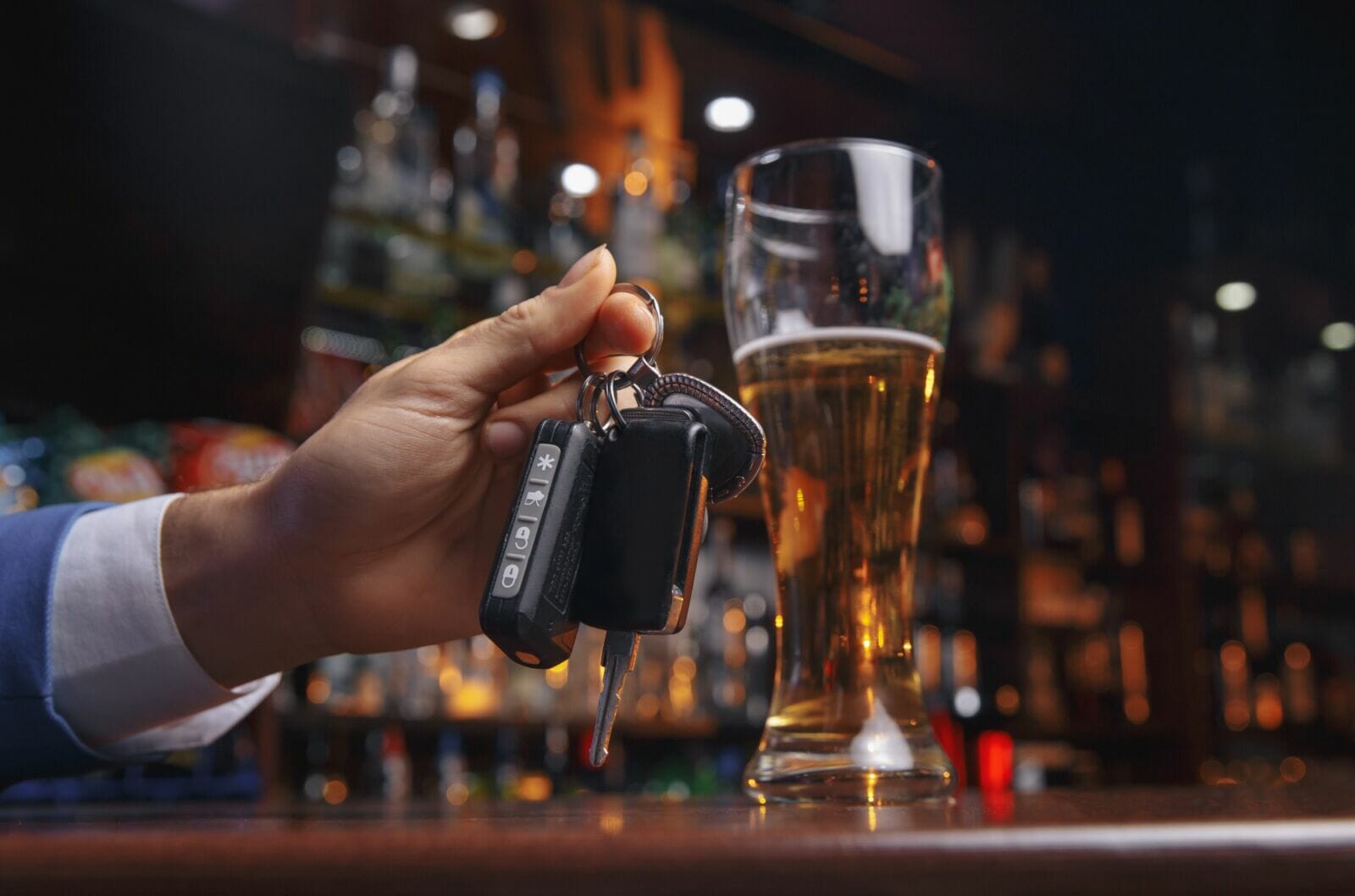
A drunk driving crash in Tampa often leaves behind more than vehicle damage.
Injuries, medical bills, missed work, and emotional stress can continue long after the accident scene is cleared. In many cases, the police report is only the beginning of a much larger legal process. People often wonder what their rights are and whether they can take action beyond the criminal case against the driver. Florida law does allow injured victims to seek compensation through a civil claim. This process is separate from criminal charges and focuses on the harm caused.
Many people start asking questions about their rights after a drunk driving accident in Tampa when they begin dealing with medical care, insurance calls, and financial pressure.
When a Drunk Driving Crash Becomes a Legal Matter in Florida
Not every traffic accident leads to legal action, but drunk driving cases often do because impairment creates a clear issue of negligence.
In Florida, when a driver operates a vehicle under the influence and causes harm, the injured person may have the right to pursue a civil claim. This type of claim is focused on financial recovery for losses connected to the crash.
The legal process usually begins after the accident is reported, and facts such as police findings, witness statements, and medical records are reviewed to understand what happened.
What “Sue” Actually Means in a Drunk Driving Case
The word “sue” can sound serious, but it has a specific meaning in this context.
The state handles a criminal case against a drunk driver. It focuses on punishment such as fines, probation, or jail time.
A civil claim is different. It focuses on helping the injured person recover financial losses. This may include medical costs, lost wages, and other damages related to the crash.
Many people assume these two processes are the same, but they move separately and can happen at the same time.
Who Can Be Held Responsible After a Drunk Driving Accident
Responsibility in a DUI crash is usually straightforward, but there are still important details that matter.
The Intoxicated Driver’s Direct Liability
The driver who was under the influence is typically considered the primary responsible party.
Evidence such as breath test results, field sobriety tests, officer observations, and witness accounts can help show impairment and careless driving behavior.
These details are often included in police reports and become important in later evaluations of the case.
Situations Where Other Parties May Share Responsibility
In some situations, other parties may also be involved, although these cases are more limited in Florida law.
For example, vehicle owners who allow unsafe use of their car may sometimes be considered. In rare cases, establishments connected to alcohol service may be examined under specific legal conditions.
Each situation depends heavily on the facts of the case and available evidence.
Types of Compensation That May Be Considered
After a drunk driving crash, financial losses can add up quickly.
Medical expenses are often the most immediate concern. These may include emergency care, surgery, rehabilitation, and ongoing treatment.
Other potential losses include missed income, reduced ability to work, and damage to personal property, such as the vehicle.
Some claims may also include non-financial impacts such as pain, emotional distress, and changes to daily life. These factors are evaluated based on documentation and overall impact.
Evidence That Often Shapes Drunk Driving Claims
Strong evidence is an important part of understanding what happened in a DUI crash.
Police Reports and Field Testing Records
Police reports often contain key details such as the officer’s observations, arrest information, and test results related to impairment.
Medical Documentation and Toxicology Reports
Medical records help show the extent of injuries and treatment needed. Toxicology reports may confirm alcohol levels at the time of testing.
How Florida Law Treats Comparative Fault in DUI Accidents
Florida follows a comparative fault system. This means responsibility can be divided if more than one party contributed to the accident.
In most drunk driving cases, the impaired driver carries the majority of responsibility. However, other factors may still be reviewed depending on the circumstances.
If fault is shared, compensation may be adjusted based on the percentage of responsibility assigned to each party.
Time Limits That Affect Your Right to File a Claim
Florida law sets a time limit for filing personal injury claims. This deadline is important because missing it can affect the ability to pursue compensation.
Even before the legal deadline, waiting too long can make a case harder to prove. Evidence may be lost, and witness memory may fade over time.
This is why early action is often important after a serious accident.
Insurance Company Response After a DUI Crash
Insurance companies often review drunk driving cases carefully, but they may still focus on limiting payouts.
They evaluate evidence, medical records, and liability details before making decisions. In some cases, they may offer early settlements that do not fully reflect long-term costs.
Understanding how claims are reviewed can help injured individuals stay aware of how the process unfolds.
Final Thought
A drunk driving crash can raise serious questions about responsibility, recovery, and financial support. Florida law allows injured individuals to pursue compensation through a civil process separate from criminal charges.
While every situation is different, understanding how evidence, fault rules, and insurance processes work can help clarify what comes next. Making informed decisions early often plays an important role in how a case develops over time, especially after a drunk driving accident in Tampa.