
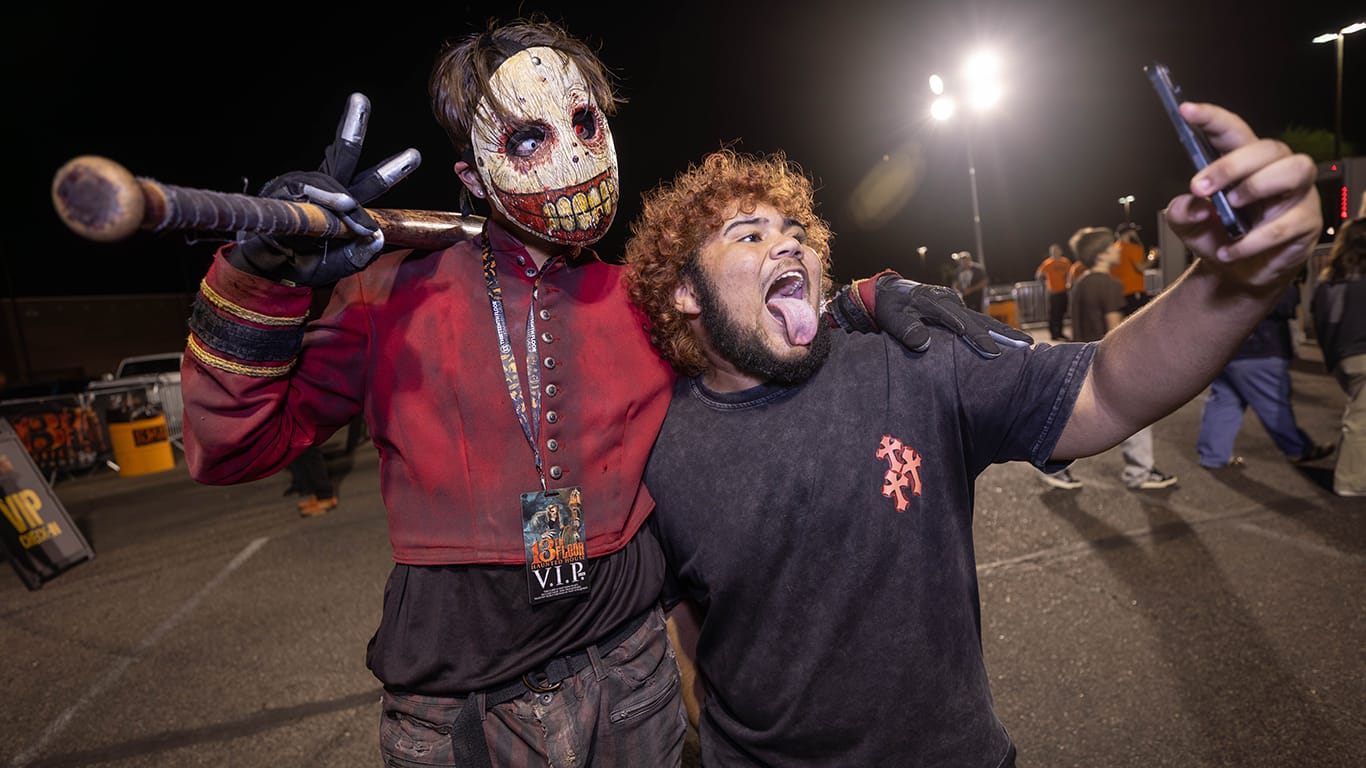
Dallas residents enjoy a scare going to haunted places every fall to feel exciting fear in a place that seems safe. We expect people with chainsaws, dark hallways, and sudden surprises to make our hearts beat fast. We also believe that the place is taking care of our safety. When that belief is broken by something like a step, not enough lights, an emergency, or a bad prop, the injury can turn a fun night into a real problem that needs medical help. If you find yourself hurt because a facility operator cut corners on basic maintenance, scheduling a personal injury attorney consultation is an important first step toward understanding your legal rights.
Understanding Premises Liability in Entertainment Venues
When you buy a ticket to a horror experience, you become a legally defined invitee on that commercial property. This designation means the property owner must give you the duty of care. The property owner must actively look for problems, fix any known dangers, and warn you about any hazards. If the owner fails to follow these duties, serious accidents can happen. You could. Fall on fake blood, get hurt by falling animatronics, or even be trampled when too many people crowd the hallways. Because these legal frameworks dictate who is held legally responsible when an invited guest gets hurt, operators must maintain rigorous maintenance protocols regardless of the intentional chaos unfolding inside the building.
The Role of Fire and Building Codes
Indoor entertainment venues must go beyond structural integrity. They face rules about fire prevention and emergency exits. These places often have hallway materials that catch fire easily and large groups of people who may panic. All of these factors make the locations more dangerous. That is why special safety systems are needed.
Local fire codes require haunted attractions to have sprinkler systems, clearly marked exit routes, and panic hardware on the main doors so people can get out fast if something goes wrong. Fire alarms and wide exit paths are just as important, since guests and staff need to know there’s a problem and have room to move once they do. When an attraction builds those features into the layout from the start, everyone inside has a much better chance of getting out safely.
Haunted houses fall under special fire code rules for amusement buildings, and those rules matter. When a crowd is moving through a dark, cramped space, things like clear exits, sprinklers, and emergency lighting can be the difference between a scary night out and a real disaster.
Recognizing Negligence After an Incident
Proving that a haunted house operator acted negligently requires demonstrating that they knew, or reasonably should have known, about a dangerous condition but failed to correct it. For example, if a patron reports a loose handrail and the staff ignores the warning, the venue can be held liable if another guest subsequently falls and breaks a bone. The challenge in these specific cases is distinguishing between the assumed risk of being frightened and an unreasonable physical hazard created by poor management.
Documenting the scene, gathering witness statements, and seeking medical attention immediately are essential steps to take after an accident. From there, booking a personal injury attorney consultation can help you figure out how to handle the complex legal arguments surrounding assumed risk and gross negligence.
Conclusion
Haunted attractions give an exciting way to celebrate Halloween, but the fear you feel should always be pretend, never a real danger to your body. When owners of attractions focus on making money instead of following simple safety rules, innocent visitors often suffer from preventable accidents and serious injuries. Holding operators responsible not only gives you the money you need to recover but also forces the industry to use tighter safety rules for future visitors. You deserve to have a fun night out, with the full certainty that the monsters hiding in the dark are just pretend.

