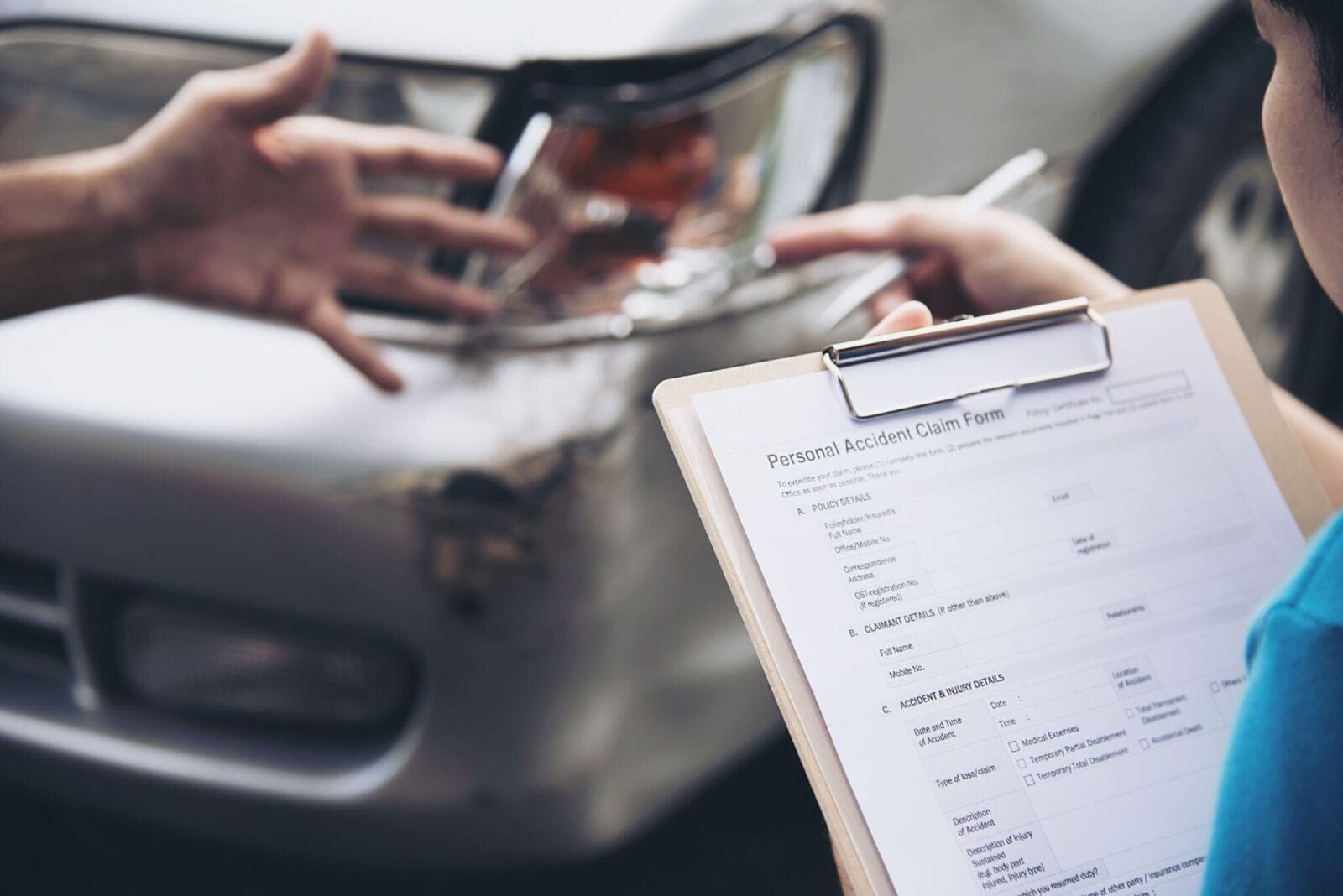
Most drivers have no idea what to do after a car accident beyond exchanging insurance information and waiting for the police. But if you’ve been injured or your car has been damaged, that’s not nearly enough.
The difference between a strong claim and a weak one almost always comes down to documentation. Knowing what to collect, and when to collect it, puts you in a much stronger position when dealing with insurers and, if necessary, a courtroom.
This guide walks you through exactly what to document, how to do it, and why it matters.
Why Documentation Is Everything After a Crash
“Insurance adjusters and defense attorneys are trained to find gaps in your story. If you can’t prove something happened, they’ll act like it didn’t. Documentation closes those gaps,” say the Fort Worth personal injury lawyers at Bailey and Galyen.
Photos, witness statements, medical records, and official reports create a paper trail that’s hard to argue against. The stronger your evidence, the better your chances of receiving fair compensation for your injuries, vehicle damage, and other losses.
Time also works against accident victims. Skid marks fade. Witnesses forget details. Surveillance footage gets overwritten. Acting quickly gives you a real advantage before the scene changes and memories blur.
What to Document at the Scene
If you are physically able to do so after the crash, start gathering evidence right away. Your smartphone is your most powerful tool in those first few minutes.
Photos and Videos
- Capture wide shots of the full accident scene, including both vehicles and their positions
- Photograph all visible damage on every car involved
- Take close-up shots of license plates, insurance stickers, and registration details
- Document skid marks, debris, broken glass, and any fluid leaks on the road
- Capture traffic signs, signals, lane markings, and any missing or obscured signage nearby
- Record video walkthroughs of the scene while narrating what you observe
- Photograph your injuries immediately, including bruises, cuts, and any visible swelling
- Get shots of the weather conditions, road surface, and lighting at the time of the crash
Getting the Right Information From Others
After a crash, you need details from every driver involved. Don’t rely on memory. Write it down or type it into your phone on the spot.
Collect the full name, phone number, address, driver’s license number, and insurance details from every driver. Get the make, model, color, and license plate number of all vehicles. If law enforcement responds, ask for the officer’s name and badge number and find out how to get a copy of the official police report.
Witnesses are often overlooked, but their accounts carry real weight. If bystanders saw the crash, ask for their names and contact information before they leave the scene. A neutral third-party account can strongly support your version of events.
Documenting Your Injuries Properly
Your physical condition after the accident is central to your case. Many accident victims make the mistake of waiting to see a doctor, especially if they feel okay at first. This is one of the biggest documentation mistakes you can make.
Get a medical evaluation as soon as possible, even if you feel fine. Injuries like whiplash, internal bruising, and concussions often show up hours or days later. A gap between the crash and your first medical visit gives insurance companies a reason to question whether your injuries were actually caused by the accident.
Keep records of every appointment, diagnosis, prescription, and treatment you receive. Hang on to all medical bills and explanation of benefits statements from your insurer. If your doctor recommends physical therapy or follow-up care, document your attendance and progress at each visit.
Also keep a personal injury journal. Write daily entries about your pain levels, sleep disruptions, emotional state, and any activities you can no longer do because of the crash. This personal record can be surprisingly powerful when calculating pain and suffering damages.
Preserving Financial and Property Damage Records
Compensation after a crash isn’t just about injuries. It also covers the financial losses that come with them. Documenting these losses carefully is just as important as your medical records.
Save every receipt related to the accident. This includes towing fees, rental car costs, rideshare receipts, and out-of-pocket expenses for medication or medical equipment. If you missed work because of your injuries, get documentation from your employer showing your normal wages and the days you were absent.
For your vehicle, request a written repair estimate from a certified mechanic or body shop. If the car is totaled, get documentation of its fair market value before the accident. Keep all correspondence with your insurance company, including emails, letters, and notes from phone calls with dates and representative names included.
Following Up After Leaving the Scene
The documentation process doesn’t end when you drive away. There are several important steps to take in the days following the crash.
Request a copy of the official police report as soon as it becomes available. Review it carefully for errors, because mistakes in police reports do happen and can hurt your case if left uncorrected. If you find an error, contact the reporting officer about how to submit a correction.
Check whether any nearby businesses or traffic cameras captured the accident on video. These recordings are often deleted within days, so acting fast is critical. Your attorney can send a legal preservation notice to prevent the footage from being erased.
Keep every document related to the accident organized in one place, whether that’s a physical folder or a secure digital folder. Label everything clearly with dates and descriptions so nothing gets lost or confused down the line.
When to Get Legal Help
If your injuries are serious or the insurance company is pushing back on your claim, having an attorney in your corner makes a significant difference. Car accident lawyers know exactly what evidence is needed to build a strong case and can handle the investigation on your behalf.
An attorney can obtain surveillance footage, hire accident reconstruction experts, subpoena phone records, and gather medical expert opinions that you wouldn’t be able to access on your own. They also know how to negotiate with insurance adjusters who are trained to minimize payouts.
Most car accident attorneys work on a contingency fee basis, meaning you pay nothing unless they win your case. So getting legal advice early costs you nothing and could protect your right to full compensation.
Start Documenting Immediately
The evidence you collect after a car accident is the foundation of your entire case. Every photo, receipt, medical record, and witness contact strengthens your position and weakens the other side’s ability to dispute your claim.
Don’t wait to start. Document everything you can, follow up consistently, and consider working with an experienced attorney who can help you protect your rights from day one.