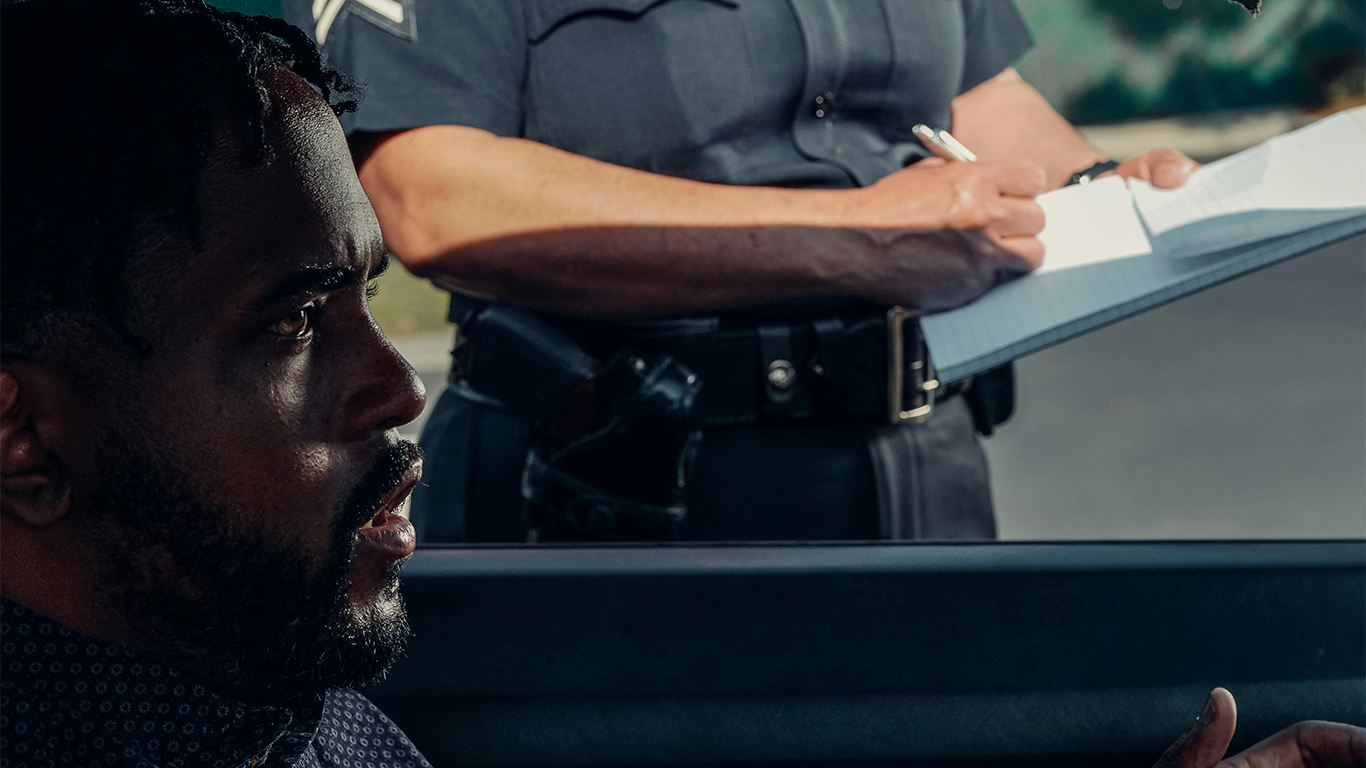
If you were injured as a passenger riding with a friend who was later arrested for a DUI, you may have questions about who will help pay for your injuries. It’s normal to want to protect your friend, but you also have a right to pursue compensation for your injuries. Before promising not to hold your friend responsible for your injuries or making decisions about a potential claim, take time to understand your legal options.
What Your Injury Claim Addresses
If you’re injured as a passenger riding with someone arrested on suspicion of DUI in Colorado, you may have an injury claim related to the crash. Such a claim seeks compensation for crash-related medical expenses, lost income, and the impact of your injuries on your day-to-day life.
To support an injury claim, you’ll generally need evidence showing that the driver’s negligence contributed to the crash and caused your injuries. You’ll also need documentation of the resulting losses, such as medical expenses and lost income. This information can become especially important if the insurance company disputes liability or argues that you share responsibility for the crash.
How Shared Responsibility Affects Compensation
Under C.R.S. § 13-21-111, Colorado follows a modified comparative negligence rule. Your percentage of fault may be compared with that of the party you’re seeking compensation from. You may still recover damages if your negligence is less than 50% of the combined negligence of the parties involved, but your compensation will be reduced by your percentage of fault.
For example, if your total damages were $50,000 and you were found 20% at fault, your potential recovery would be reduced to $40,000. If the insurance company argues that you knew the driver was intoxicated before accepting the ride, the circumstances surrounding your decision may become relevant when determining your share of responsibility.
What You Knew Before the Ride
If your friend was arrested on suspicion of DUI after the crash, the insurance company may question whether you knew or should have known they were intoxicated before getting into the vehicle. What you knew about your friend’s condition at the time of the ride may become relevant when determining whether you share any responsibility for the crash. If this happens, provide an accurate account of what you observed and heard before and during the ride.
- Your friend’s behavior
- Anything they said about driving
- Text messages, photographs, or other evidence related to the accident
- The names and contact information of any witnesses
While it may not be easy to recall everything that happened, especially if you were injured in the accident, having as much information as possible can help your personal injury attorney build the strongest case possible on your behalf.
What Additional Insurance May Cover
You may also want to determine whether you have access to uninsured/underinsured motorist (UM/UIM) coverage through your own auto insurance policy or another applicable policy. Governed by C.R.S. § 10-4-609, this coverage may help compensate you for covered injuries if the at-fault driver has no insurance or insufficient liability coverage.
Colorado insurers must offer UM/UIM coverage in amounts equal to the policy’s bodily injury liability limits, subject to statutory requirements. However, policyholders may reject this coverage in writing. Whether a particular policy covers your injuries will depend on its terms and applicable circumstances.
How a Claim May Affect Your Friend
If you decide to pursue an injury claim, the process may begin with filing a claim against the applicable insurance policy and submitting a demand for compensation. The parties may then attempt to negotiate a settlement. If they cannot reach an agreement, filing a personal injury lawsuit against the responsible party may be an option.
Before promising your friend that you won’t pursue legal action, consider speaking with an attorney about your options and the potential consequences of giving up a claim.
Why Separate Legal Advice Helps
Although your friend will need a DUI attorney to defend themself against criminal DUI charges, you may want to meet with an injury lawyer, like Levine Law, to discuss your legal options. During your consultation, your attorney may ask about:
- The circumstances surrounding the accident
- The nature and extent of your injuries
- Your medical treatment
- Your insurance coverage
Come prepared with as much of the following information as you can:
- Medical records related to your injuries
- Insurance information
- Photographs of the accident scene
- Text messages, photographs, or other evidence related to the accident
During your consultation, don’t hesitate to ask questions such as:
- How will fault affect my potential compensation?
- What would it take to file a lawsuit against my friend?
- How does your fee arrangement work?
The Bottom Line
You can care about your friend and protect your recovery. Start by getting appropriate medical care, keeping accurate records, and learning what insurance coverage may apply before deciding how to proceed.
Arrange a consultation with a Colorado personal injury lawyer to review your position before accepting a settlement or promising to abandon a claim. Clear advice can help you weigh your financial needs and concerns about your friend with a better understanding of the consequences.
Disclaimer
This article provides general information about Colorado injury claims. Consult a licensed Colorado attorney for advice about your circumstances.