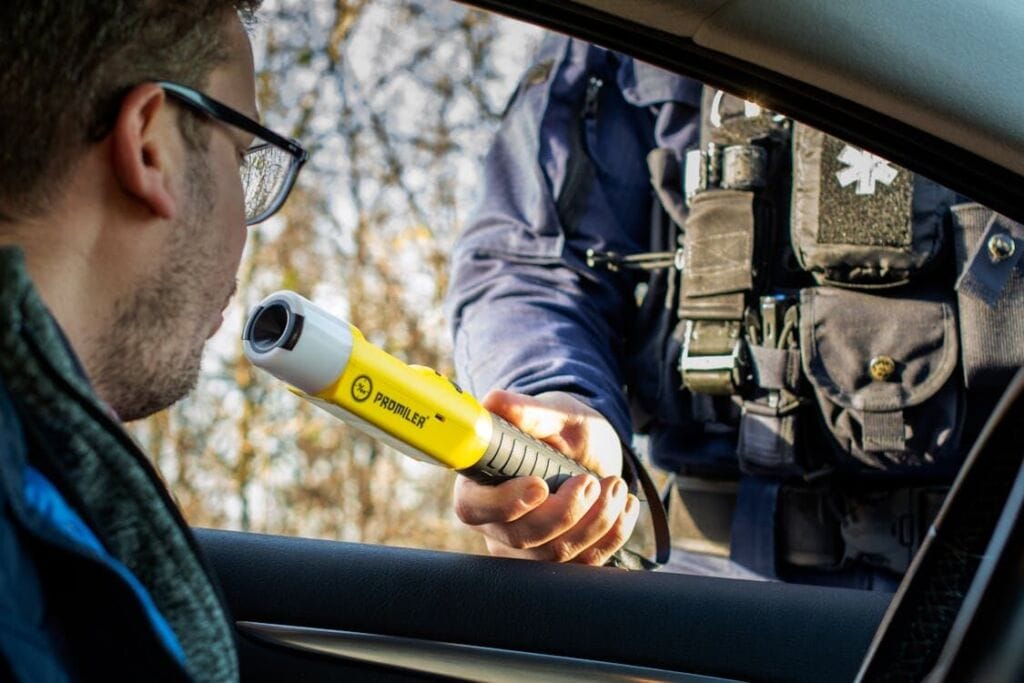
Getting stopped for a suspected DUI in Florida is stressful enough on its own. Lights flashing, questions coming fast, and your heart racing while you try to remember what you are supposed to do. Then comes the big moment that throws a lot of people into panic mode. The officer asks you to take a breath test.
Some people freeze. Others remember hearing advice from a friend, a cousin, or something they read online that says refusing the breathalyzer might help. That idea has floated around for years, and for a long time, it felt like a smart move in certain situations. The problem is that Florida law has evolved, enforcement has tightened, and the consequences of refusal look very different now.
For people facing DUI charges in Florida, it is prudent to get strong legal representation from a Coral Gables criminal defense lawyer as soon as possible. Your lawyer may use a number of potential defenses to challenge the prosecution’s evidence and vigorously defend your rights and freedom.
How Florida’s Implied Consent Law Works
Florida drivers agree to more than they realize the moment they get behind the wheel. Implied consent is not just legal jargon. It sets the stage for everything that happens after a DUI stop.
What You Agree to When You Drive
Holding a Florida driver’s license means agreeing to submit to lawful breath, blood, or urine testing when an officer has probable cause. That agreement exists before any traffic stop ever happens. Drivers are not signing a form every time they drive, but the law treats driving as consent. Refusal does not erase that agreement. It just triggers consequences.
The Immediate Penalties for Refusal
Refusing a breathalyzer brings automatic penalties that kick in fast.
- First refusal leads to a one year license suspension.
- A second refusal can result in an 18 month suspension and a misdemeanor charge.
- Refusal can be used against you in court.
These penalties happen regardless of whether you are convicted of DUI later.
Why People Still Think Refusing Helps
The idea of refusing did not come out of nowhere. Years ago, refusing sometimes limited the evidence available to prosecutors. That created the impression that refusal was a clever move.
- Fear of a High Number: Many drivers worry about blowing over the legal limit. Seeing a number on a machine feels final and scary. Refusal feels like avoiding that moment.
- Mistrust of the Equipment: Some people believe breathalyzers are unreliable or poorly maintained. While machines can be challenged in court, refusal skips that conversation entirely.
- Old Advice That Lingers: Stories from past decades still circulate. Someone says their friend refused and beat the case. Laws have changed since then, but the advice keeps spreading.
The problem is that what worked years ago does not always work now.
What Actually Happens After You Refuse in Florida
Refusal sets off a chain reaction that many drivers do not expect. It does not pause the process. It accelerates it.
Your License Is Already in Trouble
Once you refuse, your license suspension process begins immediately. You are typically issued a temporary permit that expires quickly unless action is taken. Fighting that suspension requires a formal hearing with strict deadlines. Missing those deadlines can lock in the suspension before your DUI case even gets going.
Refusal Becomes Part of the Case
Prosecutors are allowed to tell the jury that you refused testing. They can argue that refusal shows consciousness of guilt. That does not mean refusal equals conviction, but it does shape how the case is presented.
Arrest Still Happens
Refusing does not stop an arrest. Officers can still arrest based on observations like driving behavior, field sobriety exercises, and statements. Many people refuse, expecting to go home. That expectation rarely matches reality.
Situations Where Refusal Might Still Be Considered
Refusal is not automatically the wrong choice in every single scenario. There are edge cases where attorneys may view refusal differently.
- Medical or Physical Limitations: Some drivers have legitimate medical conditions that affect breathing. In those cases, refusal might occur because testing is physically difficult or unreliable.
- Questionable Stop or Procedure: When a stop or testing request appears clearly unlawful, refusal may later become part of a broader legal challenge.
These situations are highly fact specific. They are not the norm and should not be treated as a general strategy.
The Hidden Consequences People Miss
Refusing a breathalyzer affects more than just your DUI case. The ripple effects catch many drivers off guard.
- Insurance rates can spike after license suspension.
- Employment issues arise when driving privileges disappear.
- Second refusals bring criminal charges on top of DUI exposure.
- Future DUI cases treat refusal history seriously.
These consequences add weight to a decision that might feel simple in the moment.
What Happens to First Time DUI Drivers Who Refuse
First time drivers sometimes assume leniency will apply across the board. Refusal complicates that assumption. A first DUI charge combined with a refusal still triggers license suspension. It also removes potential negotiating leverage related to test results. Judges and prosecutors view refusal as a choice, not a misunderstanding.
Comparing Refusal Versus Taking the Test
Many drivers want a simple answer. Unfortunately, there is not one that fits every situation. Still, understanding the trade offs helps. Taking the test creates a measurable result. Refusing creates automatic penalties and leaves the prosecution room to argue intent. Neither option guarantees a better outcome. Both come with risks that depend heavily on the facts of the stop.
Common Myths That Need Clearing Up
A lot of misinformation floats around about breathalyzer refusal.
- Refusal does not guarantee charges get dropped.
- Refusal does not prevent arrest.
- Refusal does not keep evidence out of court.
- Refusal does not avoid license consequences.
Letting go of these myths helps drivers make clearer decisions.
The Role of Legal Guidance After a Refusal
Once refusal happens, the focus shifts to damage control. Deadlines matter. Paperwork matters. Strategy matters. Administrative hearings must be requested quickly. Evidence needs review. Procedural mistakes can still play a role. The earlier legal support from a seasoned Coral Gables criminal defense attorney enters the picture, the more options remain available.