
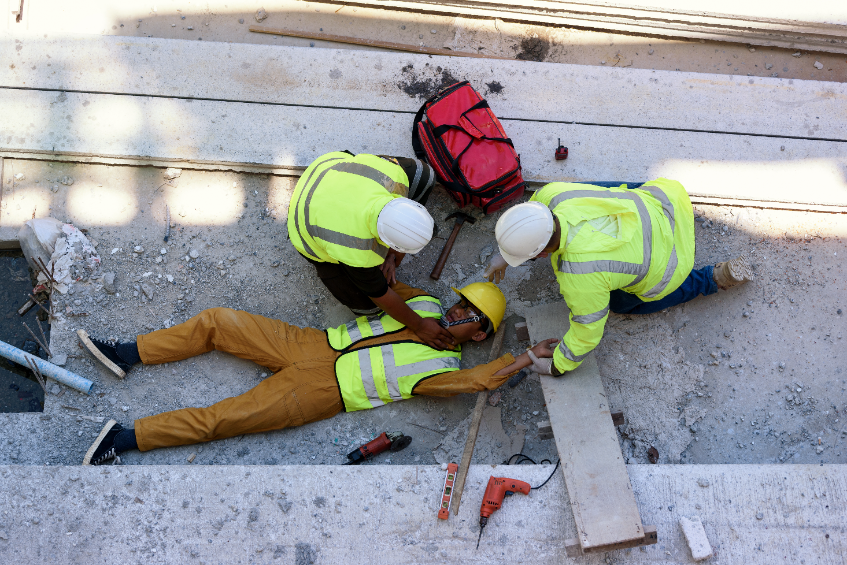
Arizona’s construction industry continues to grow, creating a demand for workers who can help keep projects on schedule. However, when companies rush to fill open positions, new hires may find themselves on the job before they fully understand the risks around them. Construction Accident Attorneys in Dallas can help injured workers understand their legal options when inadequate safety training or other preventable issues contribute to a construction accident. Proper training, clear instructions, and the right safety equipment can make a real difference in protecting workers from serious injuries.
Why Arizona Construction Sites are Hiring Workers Quickly
Arizona’s growing population and ongoing development projects have increased the demand for construction workers across the state. Tight project deadlines, labor shortages, and pressure to control costs can push contractors to fill open positions as quickly as possible. While bringing in new workers helps keep projects moving, companies still need to make sure every employee receives proper safety training before starting work.
How Rushed Hiring Can Lead to Safety Gaps
When construction companies rush to hire workers, safety training and proper orientation can sometimes fall behind the demands of the job. New employees may not know how to operate equipment safely, recognize potential hazards, or respond to emergencies, putting themselves and their coworkers at risk. Without enough preparation and supervision, even routine tasks can quickly turn into serious accidents.
Common Safety Risks for Newly Hired Construction Workers
New construction workers often face several hazards while learning the ropes on a busy job site. Without proper safety training and guidance, they may not recognize dangerous conditions or know how to protect themselves when something goes wrong. Here are some common risks that employers and workers should take seriously.
Falls from Heights and Scaffolding
Working on ladders, rooftops, and scaffolding can be dangerous, especially for workers who have not received proper fall protection training. New hires may not know how to inspect equipment, use safety harnesses, or recognize unstable platforms. A single misstep can lead to serious injuries, including broken bones, head trauma, or spinal damage.
Heavy Equipment and Machinery Accidents
Construction sites often rely on forklifts, cranes, excavators, and other heavy machinery to move materials and complete demanding tasks. Workers who are unfamiliar with equipment operation or site traffic patterns may accidentally enter dangerous areas or fail to recognize warning signals. Proper instruction and supervision can help prevent collisions, crush injuries, and other potentially life-changing accidents.
Falling Tools and Construction Materials
Tools, building materials, and debris can fall from elevated work areas, putting anyone below at risk. New workers may not understand the importance of wearing hard hats, securing materials, or staying clear of overhead work. Without clear safety procedures, these hazards can cause serious head injuries, fractures, and other harm.
Electrical Hazards and Exposed Wiring
Construction sites may contain temporary wiring, exposed electrical components, and power tools that require careful handling. Workers who have not been trained to identify electrical hazards may accidentally touch energized equipment or work too close to unsafe connections. These incidents can result in severe burns, electric shocks, or fatal injuries.
Trench Collapses and Unstable Structures
Excavation work can be especially dangerous when trenches lack proper protective systems or surrounding structures are unstable. New hires may not know the warning signs of a potential collapse or understand why entering an unprotected trench can be extremely dangerous. Proper training, regular inspections, and compliance with applicable safety requirements can help reduce the risk of workers being trapped, crushed, or seriously injured.
Why Safety Training Should Come Before the First Shift
Safety training should happen before a worker starts a task, not after an accident reveals what they did not know. New hires need to understand job site hazards, how to use protective equipment, and what to do if they encounter an unsafe situation. Taking the time to prepare workers from day one can help prevent injuries, build confidence, and create a safer environment for everyone on the construction site.
Warning Signs That a Job Site is Moving Too Fast
When projects run over schedule, you might be tempted to rush to get workers on site. But never sacrifice training, communication, or common safety practices in the name of efficiency. Here are some key indicators that a construction site might be sacrificing worker safety to catch up on a project.
Incomplete Safety Orientations
New workers should receive an introduction to job site rules, potential hazards, emergency procedures, and the proper use of protective equipment before starting their duties. If an employee is handed a hard hat and immediately sent to work without this guidance, important safety information may be missing. Without a proper orientation, workers may struggle to recognize hazards or respond appropriately when something goes wrong.
Unclear Instructions from Supervisors
Unskilled workers rely on supervisors for specific instructions for their duties, the tools they should use, and the safety guidelines they need to follow during each task. Inexperienced employees who don’t have access to a supervisor to clarify procedures or address questions may try to learn the ropes on their own. This may result in errors, misunderstandings, and hazardous mistakes that could endanger other workers.
Missing or Improperly Used Protective Equipment
Hard hats, safety glasses, gloves, fall protection systems, and other protective equipment help reduce the risk of serious injuries on construction sites. If workers are expected to begin their shifts without the necessary gear or have not been shown how to use it correctly, that is a serious concern. Employers and contractors should address these gaps before allowing workers to perform tasks that expose them to hazards.
Workers Assigned Tasks They Have Not Been Trained to Perform
A new worker may be eager to show his or her skills, but they are not necessarily ready to do so by working with heavy machinery, at heights, or with electrical systems. Passing dangerous jobs off to untrained employees can result in preventable accidents. Supervisors need to check that the worker has the training and is aware of safety procedures before assigning new and potentially dangerous tasks.
Conclusion
Rapid hiring may help Arizona construction projects stay on schedule, but new workers should never have to sacrifice their safety to meet a deadline. Proper training, clear instructions, and adequate supervision can go a long way toward preventing serious injuries and protecting everyone on the job site. If a lack of training or other safety failures contribute to a workplace injury, Construction Accident Attorneys in Dallas can help injured workers understand their legal options.

