
If you have suffered an injury because of someone else’s carelessness, it is important to understand what damages you may be entitled to claim. Whether the incident is a car accident, slip-and-fall, or another unexpected event, knowing your compensation rights can make a significant difference in your recovery. If you are in the Coachella Valley or nearby, consulting a Palm Desert injury lawyer can help ensure your rights are protected from the start.
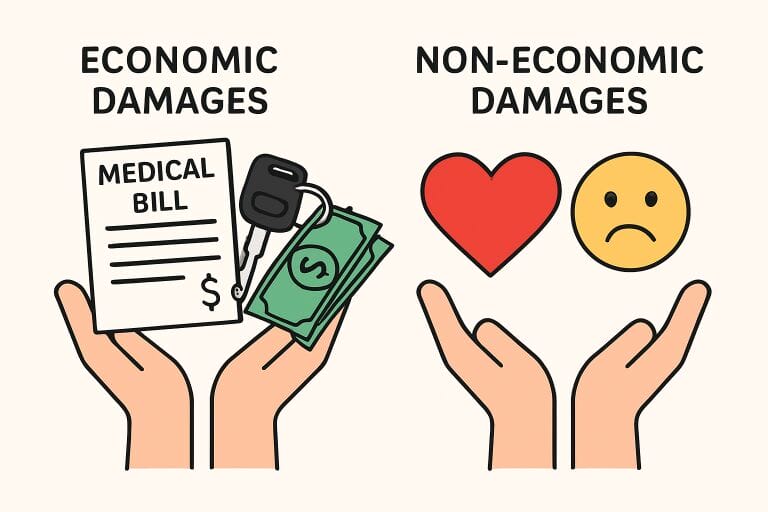
Damages in personal injury cases typically fall into three categories: economic damages, non-economic damages, and sometimes punitive damages. Each type of compensation helps injured individuals address their immediate and long-term needs. Understanding these categories enables you to strategize effectively and maximize your claim. Economic damages can cover expenses such as medical bills and lost income, while non-economic damages address pain and suffering. This comprehensive approach ensures your claim accurately reflects your actual losses, including future care costs and potential income losses.
Economic Damages: Tangible Financial Losses
Economic damages focus on quantifiable financial hardships caused by your injury. These damages are designed to reimburse you for actual monetary losses and future financial impacts related directly to the accident.
- Medical Expenses: This includes costs for emergency care, hospital stays, follow-up doctor visits, surgeries, medical equipment, prescription medication, and physical or occupational therapy. Anticipated future medical needs also fall under this category.
- Lost Wages: If your injury requires time off work, you are entitled to claim for the loss of your regular income, overtime, bonuses, or other work-related earnings.
- Loss of Earning Capacity: If your injury impacts your ability to earn income in the future, damages can be claimed to help compensate for this diminished capacity or lost career opportunities.
- Property Damage: If personal property, such as a vehicle or bike, was damaged in the incident, the costs of repair or replacement are recoverable.
- Out-of-Pocket Expenses: Travel to medical appointments, home modifications for accessibility, or help with chores can be included in your claim.
Non-Economic Damages: Intangible Losses
Non-economic damages address the non-monetary consequences of an injury. These intangible harms often have a lifelong impact and are just as significant as any financial loss. They include:
- Pain and Suffering: Compensation covers the physical pain and discomfort you have experienced, as well as any ongoing or future suffering.
- Emotional Distress: This encompasses the psychological effects of an injury, which can range from anxiety and depression to post-traumatic stress disorder (PTSD).
- Loss of Enjoyment of Life: If your injury prevents you from participating in hobbies, sports, or other activities you once enjoyed, you may recover damages for this loss.
- Loss of Consortium: When an injury affects your relationship with your spouse or family, you may be entitled to compensation for those diminished relationships.
Punitive Damages: Punishing Egregious Behavior
Punitive damages are awarded less frequently, reserved for cases where the at-fault party’s behavior was particularly reckless or malicious. Their purpose is not just to compensate the victim but to punish the defendant and discourage similar actions in the future. For instance, if an injury results from gross negligence or intentional misconduct, punitive damages may be sought.
State-Specific Considerations
Damage awards are influenced by local laws, which means the amount you can recover and the categories available may differ depending on your state. Some states, such as California, have specific caps on non-economic damages in medical malpractice cases. For example, the Medical Injury Compensation Reform Act (MICRA) limits non-economic damages in California medical malpractice cases to $250,000.
In addition, certain states have adopted no-fault insurance rules for car accidents. Under these systems, your own insurance covers medical bills and lost wages regardless of who caused the accident, often restricting your ability to claim non-economic damages except in severe cases. Consider this if you are injured in an auto accident in a no-fault state. For more information, read about no-fault car insurance states and what drivers need to know.
Steps to Take After an Injury
- Seek Immediate Medical Attention: Prompt medical care ensures your injuries are properly treated and documented, both essential for your health and your claim.
- Document Everything: Start a file for medical records, receipts, injury photographs, letters from your employer, and notes about how your daily life is affected.
- Consult a Personal Injury Attorney: Legal experts can guide you through the claims process, advocate for your best interests, and help avoid costly mistakes with insurance companies or in court.
Conclusion
Recognizing which damages you are eligible to recover after an injury is a critical step in obtaining the compensation you deserve. By closely tracking all expenses and impacts, consulting with knowledgeable professionals, and understanding local laws, you can take control of your financial recovery and focus on healing. Stay informed and assertive to protect your long-term well-being.