Picture this. It’s a Saturday afternoon, and you’ve just pulled out of the grocery store lot with a bag of apples on the passenger seat and a juice box rolling around on the floor. The kids are in the back, one of them asking whether you can pick up ice cream on the way home. Then a delivery van runs a red light at the corner, and there’s a half second of silence before the sound hits.
Maybe you’re reading this because something like that already happened. Or maybe you just want to be ready if it does. Either way, the first hours matter more than most people expect, and most of what helps is steady and ordinary.
Safety First, and Checking on the Kids
Your first job is simple: make sure everyone can breathe and that nobody is in immediate danger. Turn on your hazard lights. If the car still runs and it’s safe, pull onto the shoulder or into an empty parking spot. If the car won’t move, stay buckled, keep the kids buckled, and wait for help rather than stepping into traffic.
Once things are steady, check on each child by name and ask where it hurts. Listen to how they answer. A kid who has gone unusually quiet or floppy deserves a closer look, even if they insist they’re fine. The mess can look alarming, with a backpack that slid off the seat and juice spilled across the floor, but it’s rarely the part to worry about.
Getting the Crash Reported
Do you need the police for a small bump in a parking lot? Not always, but it’s worth thinking through before you’re standing next to the other driver. Call the police and ask for an officer if anyone was hurt, if a car can’t be driven safely, or if the other driver won’t exchange information. Many people hesitate because they don’t want to make a fuss. Still, an officer’s report creates an official record, and that record can help later, even when the damage looks minor.
Reporting rules vary by location and often depend on injuries and the amount of damage. Your state sets its own guidance, so take a few minutes to check the current rules where you live.
Photos and Notes While It’s Fresh
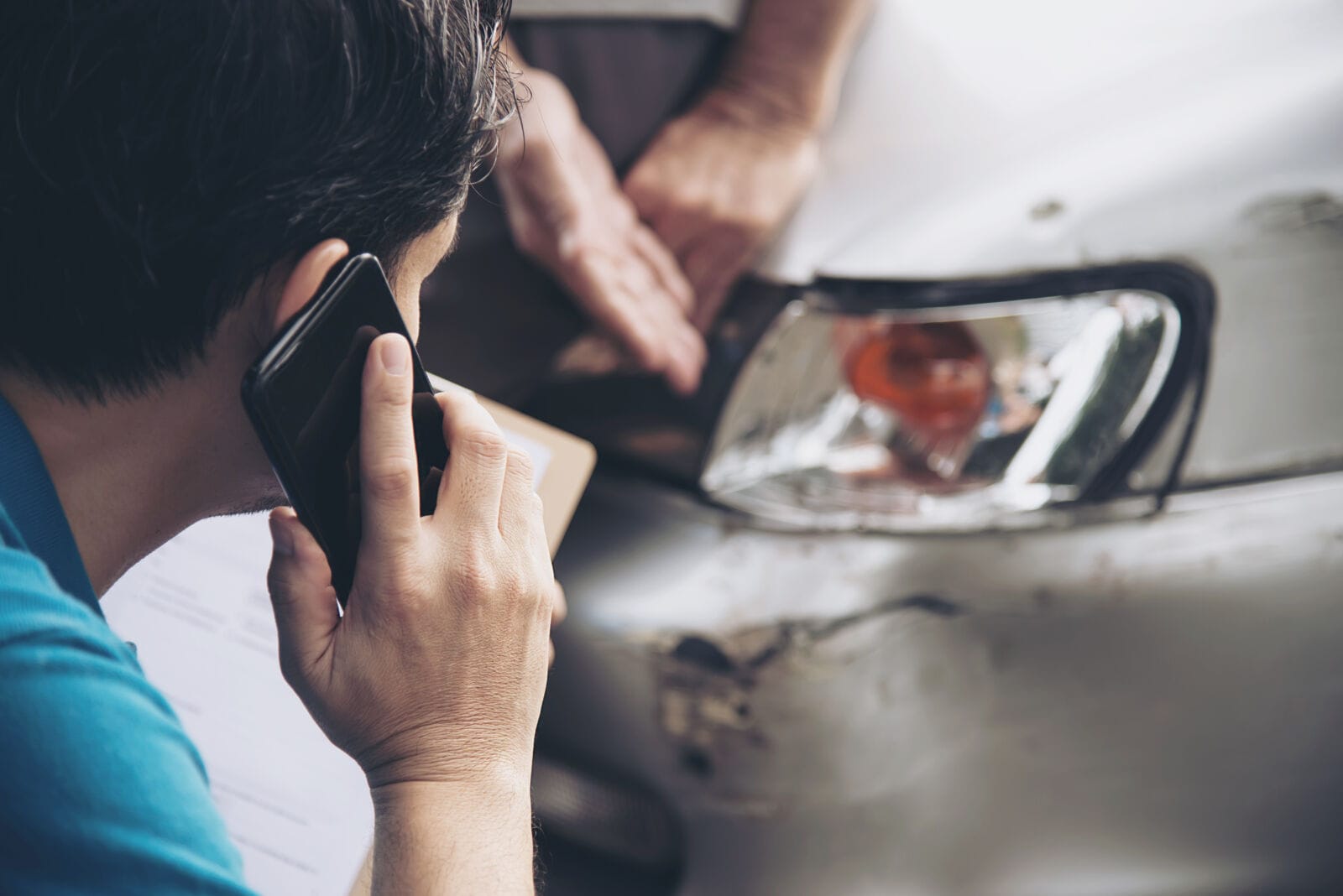
If you can, take photos before anyone moves the cars. Start with a wide shot showing where each vehicle came to rest, along with the lane, the intersection, and any signs. Then take close-ups of the damage and the license plates. A stalled car on the shoulder with its flashers blinking makes a useful wide shot, and so does the road itself, especially if it’s wet or icy.
Next, write things down while your memory is still sharp. Note the time, the location as best you can, the weather, and what you remember each driver saying. Record contact details for anyone who saw what happened. Keep your notes factual, describing what you saw and heard rather than guessing who was at fault. Details fade faster than most people expect, so the notes you jot in the parking lot are often worth more than the ones you try to write at bedtime.
Hold off on posting about the crash online. A casual post or photo can be read out of context later, and keeping things private for now is the simpler route.
Getting Checked Out Even If You Feel Fine
Here’s a question many parents ask: if everyone seems okay, do you still need a doctor? Often, yes, especially with kids. Adrenaline can mask pain for a while, and some injuries, including concussions and neck or back strain, may not show up until hours or even days later.
Watch for headaches that keep growing, dizziness, vomiting, or unusual sleepiness. A child who suddenly seems much crankier or harder to wake than usual needs a prompt check too. Severe symptoms call for emergency care right away, not a wait for the next regular appointment.
If a child was in a car seat, read the manufacturer’s instructions, since many recommend replacing a seat after a crash, even one that looks fine. NHTSA, the federal road safety agency, publishes general crash-safety guidance that’s worth a look.
Helping Children After a Scare
Kids often process a crash long after the adults have moved on. A six-year-old might not mention it at dinner, then refuse to climb into the car the next morning. That reaction is normal. Keep your answers short and honest, something like, “The other car hit us, the grown-ups are taking care of it, and you’re safe now.” Then let them ask questions, even the same one three times. Repeating questions is often how kids make sense of a scary moment.
Try to keep routines steady for a few days, and let them bring a favorite stuffed animal along for car rides. If the fear sticks around or starts getting in the way of sleep and school, bring it up with the pediatrician.
Talking with Insurance
Sooner or later, an insurance company will want to hear about the crash. You can be polite and still be careful. Stick to the basics you know are accurate, like the date and place, plus the names of everyone involved. If you’re unsure about something, say so instead of guessing. It’s fine to tell the adjuster you need time to check your notes, and it’s reasonable to ask for questions in writing. Jot down the date of each call and the name of the person you spoke with.
Staying measured doesn’t mean being careless.
A Simple Family Folder for Records
Keep one folder for anything connected to the crash, whether paper or digital. Put the report number, the photos, your notes, and any medical papers inside. Add a page for each child with doctor visits and follow-up instructions. If a car seat was involved, record its make, model, and the date of the crash. Date every entry you add, because it’s surprisingly hard to rebuild the order of events months later.
A folder like this makes it much easier to answer questions once details have gone fuzzy. It doesn’t need to look pretty. It just needs to be easy to find.
Driving Across the Region
Families in Cook, DuPage, and Will counties, including those in Chicago, Oak Brook, and Joliet, know how quickly an ordinary errand can turn stressful. Busy roads like I-55, I-80, and I-355 can be heavy with traffic, and inside the city, the Kennedy and Dan Ryan expressways bring their own pace. Snow, ice, and the freeze-and-thaw cycles of the cold months can make a bad day harder, so it helps to know these first steps before you need them.
Putting It All Together
Most of what matters in those first hours is practical work. Make sure people are safe, check on the kids, and get the crash reported when it needs to be. Photos and notes help more than you might expect, and so does a doctor’s visit, even on a day when everyone feels fine.
If you’re unsure about your options after a crash, you may want to speak with a Chicago personal injury attorney.
Be gentle with yourself, too. A scare like this takes a while to settle.