For years, the defining features of a luxury home in the American West were relatively easy to identify: generous square footage, expansive windows, impressive kitchens and a commanding view of the surrounding landscape. From Scottsdale’s desert estates to the custom homes of Colorado’s Front Range, architecture often did most of the talking.
But square footage and expensive finishes can only take a house so far. What happens inside those walls is increasingly important to the experience of owning a luxury property. A sprawling great room is of little consequence if nobody particularly enjoys spending time in it. A beautifully appointed kitchen loses some of its appeal when the adjoining living spaces feel disconnected.
The distinction between an expensive house and an exceptional home often comes down to decisions that have relatively little to do with its size.
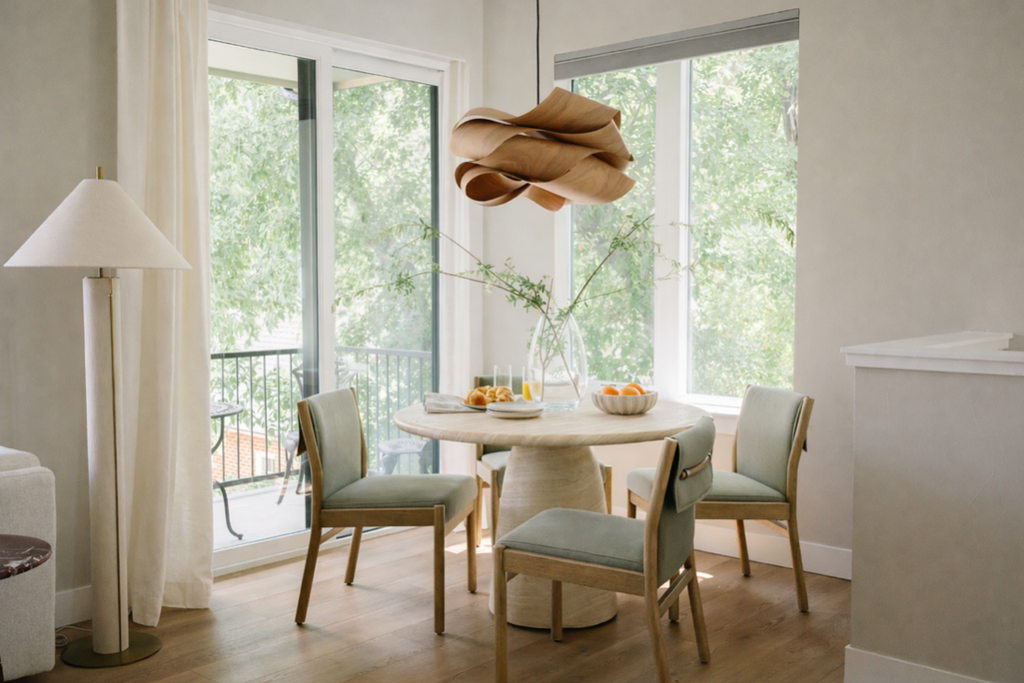
A Scandinavian-inspired residence in Golden, Colorado, combines sculptural lighting, natural materials and an intimate dining arrangement. Interior design by Seven Grove Interiors.
Looking beyond square footage
Arizona and Colorado have distinctly different landscapes, yet their residential architecture shares a number of characteristics. Large windows, generous entertaining spaces and a close relationship between indoor and outdoor living are common features in both markets.
These qualities present opportunities for interior designers, but they also introduce challenges. Rooms with high ceilings and substantial glazing can feel surprisingly impersonal without the right furnishings. Open floor plans, meanwhile, require a more deliberate approach to furniture placement and circulation than their apparent simplicity might suggest.
A dining area does not necessarily need its own walls to feel distinct from an adjoining living room. A change in lighting, the introduction of a substantial rug or the placement of a well-proportioned cabinet can establish a separate identity without interrupting the architectural flow.
These are relatively subtle decisions, but their cumulative effect can change the way a property is experienced. In a competitive luxury real estate market, a home that feels comfortable and resolved may leave a more lasting impression than one whose principal attraction is its size.
A more personal interpretation of Western luxury
The Mountain West is often associated with a particular decorative vocabulary: stone fireplaces, exposed timber, leather upholstery and colors drawn directly from the landscape. There is good reason for the enduring popularity of these materials, although they are far from the only appropriate response to the region’s architecture.
Seven Grove Interiors, a Denver interior design firm, offers an interesting example of a different approach. Its work incorporates traditional American decorating, Southern influences and understated contemporary furnishings into homes across Colorado.
In a Parker residence known as Southern Ease, a dark dining table is surrounded by white lattice-back chairs beneath a chandelier of textured glass globes. Painted millwork and patterned wallpaper introduce a decorative sensibility more readily associated with the East Coast than the Rocky Mountains.
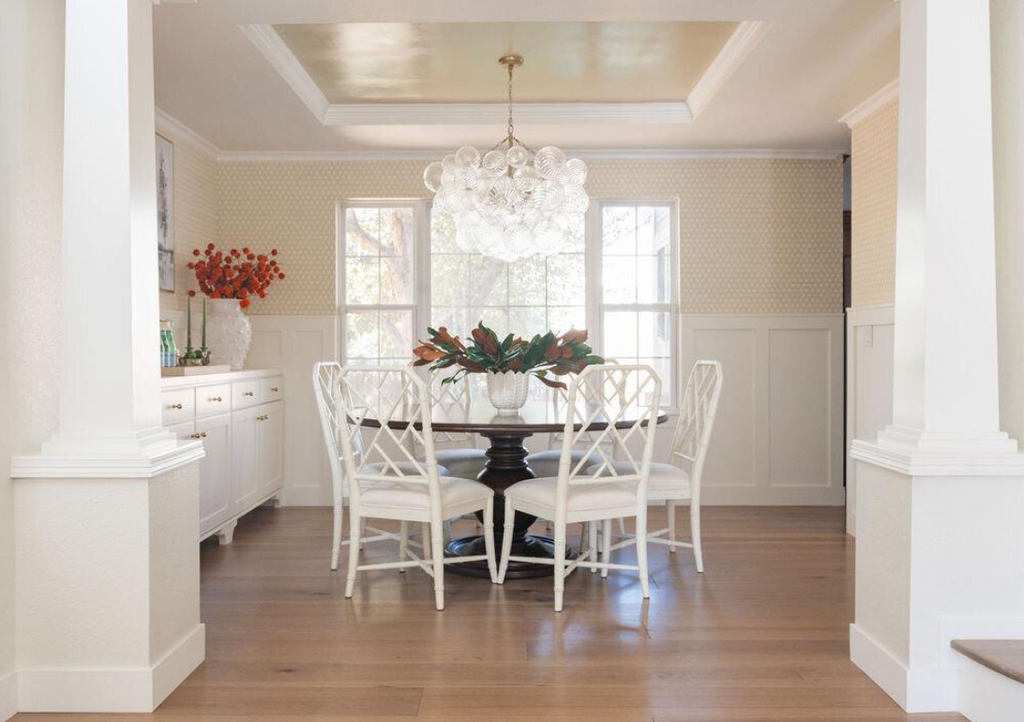
The room is persuasive precisely because it avoids becoming a literal interpretation of its surroundings. Its natural wood flooring and abundance of daylight maintain a connection to the architecture, while the furnishings introduce an individual identity.
There is a broader lesson here for homeowners throughout the West. Regional character need not dictate every decorative decision. A residence in Paradise Valley can accommodate English antiques just as comfortably as a Denver home can embrace Southern textiles or European furniture.
MORE NEWS: Atari Hotels breaks ground in Roosevelt Row
DEEPER DIVE: 10 Arizona restaurants make Yelp’s Top 100 Mexican food spots
Where renovation budgets make the greatest difference
For homeowners undertaking substantial renovations, one of the more consequential decisions is determining which elements deserve the largest investment.
Cabinetry, flooring, architectural millwork and permanent lighting installations tend to have a longer influence on a home’s character than any particular sofa or decorative accessory. They establish the framework within which everything else must operate.
Consider a newly renovated kitchen. An expensive countertop may be an attractive feature on its own, but its relationship to the cabinetry, hardware, flooring and adjoining rooms ultimately determines whether the renovation feels coherent.
Making these selections independently can produce an unexpectedly disjointed result. Each element might be desirable in isolation, yet collectively they fail to establish a convincing architectural identity.
This is particularly relevant in larger Western homes, where materials may be repeated across expansive, interconnected spaces. A poorly considered flooring choice or an inconsistent approach to architectural finishes can become an expensive problem simply because of the scale of the property.
Establishing a coordinated design direction before construction begins can help homeowners make better use of their renovation budgets and reduce avoidable changes during installation.
The appeal of materials with character
There is a considerable difference between a room that looks luxurious in a photograph and one that feels luxurious in person.
Texture accounts for much of that distinction. The grain of timber, the weight of a linen curtain and the irregular surface of natural stone introduce qualities that are difficult to replicate through color alone.
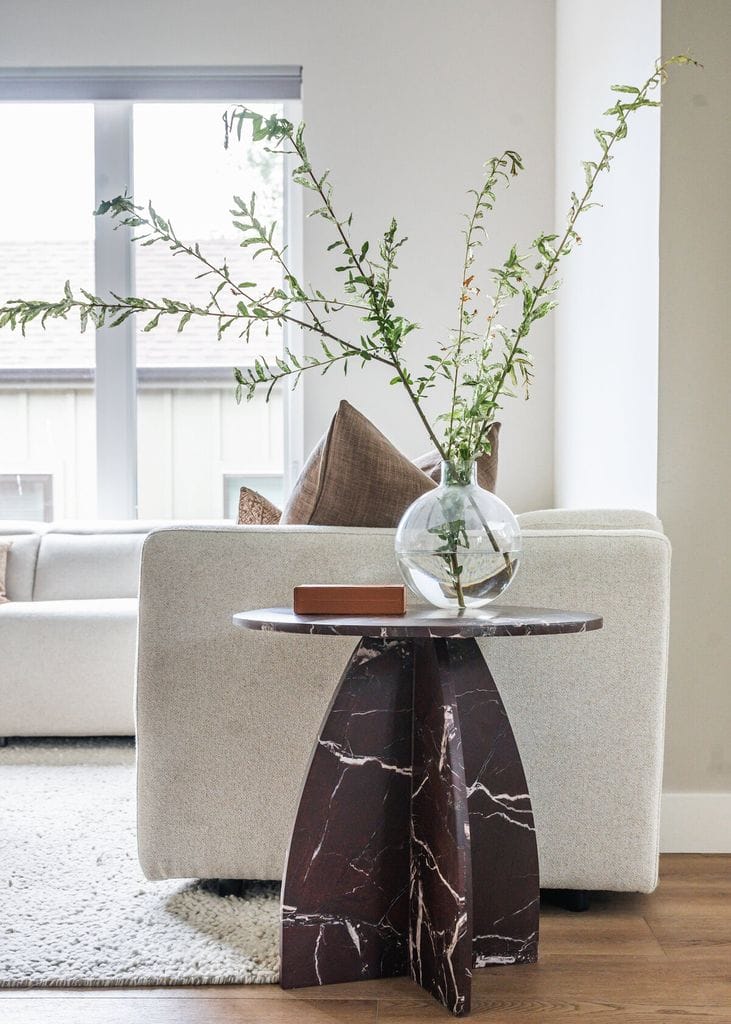
In another Colorado project, a sculptural burgundy marble side table sits beside pale upholstered seating. The contrast is striking without requiring a particularly complicated decorative scheme. The stone supplies color, movement and visual weight, while the surrounding furnishings provide a quieter backdrop.
For homeowners drawn to understated interiors, these distinctions between materials are especially important. A room can contain very little color and still possess considerable depth, provided its surfaces respond differently to light and touch.
Natural materials also offer the advantage of developing character over time. Well-maintained hardwood flooring, quality furniture and certain metal finishes can become more appealing with age rather than simply looking worn.
Luxury that accommodates everyday life
Some of the most interesting rooms in contemporary luxury homes are no longer necessarily the largest or most formal.
A modest reading area, a thoughtfully arranged breakfast nook or a comfortable room dedicated to games and conversation may receive considerably more use than a formal entertaining space.
This has implications for how homeowners approach both new construction and existing properties. Rather than assigning value to rooms according to their size, it is worth considering how frequently they will be occupied and what they contribute to daily life.
Looking through the firm’s residential interior design projects, the differences between individual interiors are apparent. A traditionally furnished dining room in Parker has little stylistically in common with a Scandinavian-inspired living space in Golden. Both, however, demonstrate the importance of furniture scale, material selection and the relationship between objects within a room.
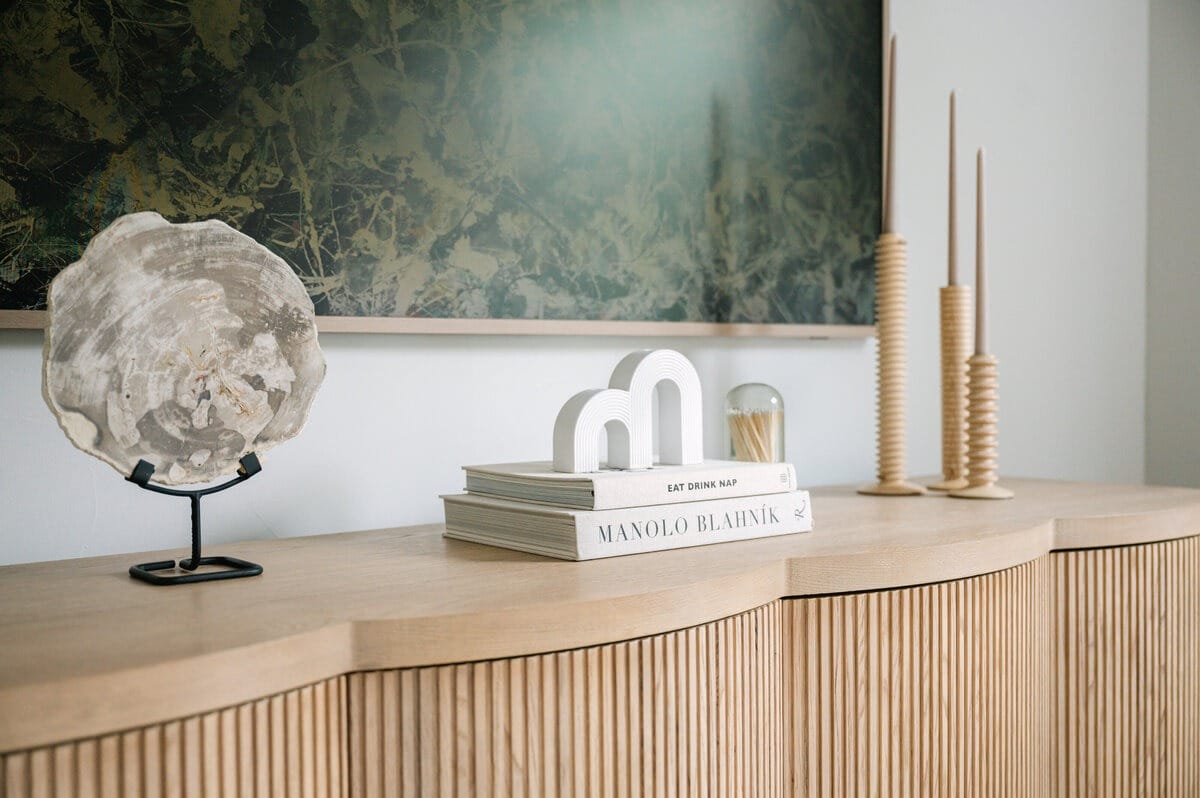
This attention to everyday experience is particularly relevant for buyers seeking a primary residence rather than a seasonal retreat. A home must accommodate working, entertaining, raising a family and the less glamorous routines that occupy most of the week.
Its interiors should make those activities easier and more enjoyable.
A longer view of residential investment
Decorating trends will continue to change, and there will always be a market for the dramatic finishes and statement furnishings associated with a particular moment in luxury design.
For homeowners making substantial investments in their properties, however, there is a compelling argument for taking a longer view.
Beautifully proportioned furniture, quality architectural finishes and thoughtful lighting can remain relevant through several cycles of changing preferences. Rooms with a strong underlying composition are also easier to refresh without undertaking another extensive renovation.
Across Arizona, Colorado and the wider Mountain West, the landscape outside the home will remain one of the region’s greatest attractions. The opportunity for homeowners is to create interiors every bit as compelling as the views beyond their windows.
That may ultimately prove to be one of the more enduring definitions of Western luxury.