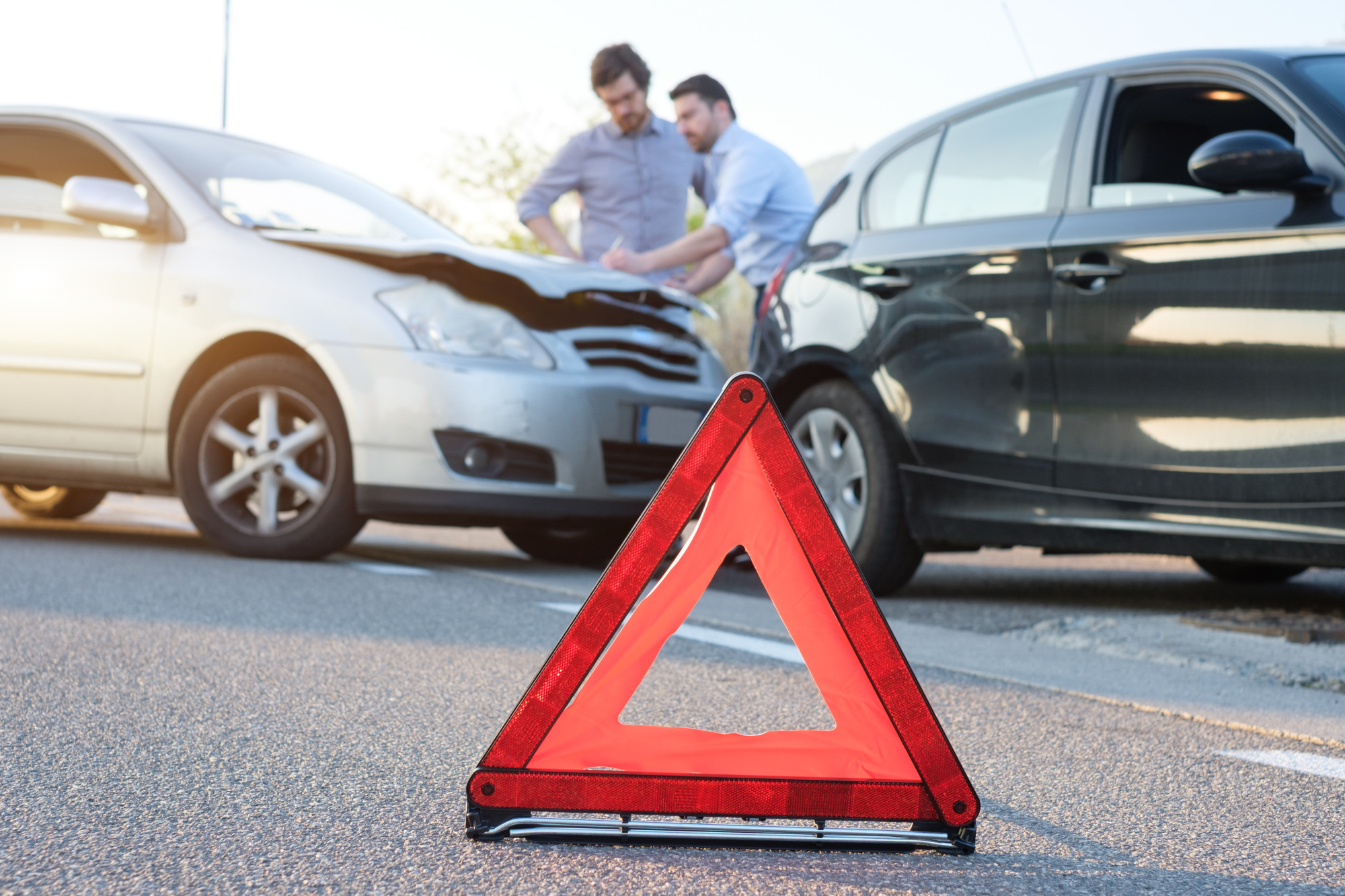
After a car accident, people often regret one thing immediately: not taking photos. Maybe you were injured, shaken up, or focused on getting to safety. Maybe your phone was dead or the crash happened at night. Sometimes, police arrived quickly and moved vehicles before anyone could document the scene. Whatever the reason, it’s common to worry that without photos, you can’t prove what happened. The truth is that photos help, but they are not the only way to build a strong case.
Many successful claims are built without crash photos because other evidence can tell the story just as clearly—sometimes even more effectively. Police reports, witness statements, medical records, vehicle damage patterns, and digital records can all support liability and damages. If you’re missing photos and feeling unsure about your claim, Jacoby & Meyers can help you gather alternative evidence and build a case that stands on facts, not just snapshots.
Why Photos Are Helpful—But Not Always Essential
Crash photos are valuable because they capture vehicle positions, damage, skid marks, traffic signals, debris, and weather conditions. They also preserve details before anything changes. But photos are not required for a claim to succeed, and many victims don’t take them for valid reasons—injury, shock, safety concerns, or medical transport.
Insurance companies sometimes act like photos are the only “real” proof, but that’s simply not true. Claims are often decided based on the total evidence available. If your injuries and the crash circumstances are documented elsewhere, photos become helpful extras—not deal-breakers.
The Police Report Can Fill In Major Missing Details
A police report often becomes the foundation of the case when photos are missing. Officers document driver statements, witness information, vehicle damage, road conditions, and sometimes even diagrams showing where the vehicles were located. They may also note citations, suspected impairment, or unsafe driving behaviors.
Even if you disagree with parts of the report, it still provides a formal record that the crash happened and identifies the parties involved. If the report includes the other driver admitting fault or describing what occurred, it can be powerful evidence even without photos.
Witness Statements Often Carry More Weight Than Photos
Independent witnesses can be extremely valuable. A witness who saw the crash unfold can confirm who had the green light, who changed lanes suddenly, or who was speeding. Witness statements help especially when the other driver denies responsibility or changes their story later.
Many people assume witnesses are impossible to locate later, but sometimes the police report includes names and contact details. In other cases, nearby businesses or residents may have seen the crash. Even one strong witness statement can make a case far more convincing than a blurry photo.
Medical Records Link Your Injuries To The Accident
Medical records are one of the most important forms of evidence in any accident case. They show what symptoms you reported, what diagnoses were made, and what treatment was required. Even without crash photos, medical documentation can support that the collision caused real harm.
Timing matters. If your records show you sought treatment soon after the crash and your symptoms were consistent with the type of impact, it strengthens causation. Follow-up treatment records also show how long your injuries lasted and whether they affected your ability to work and function.
Vehicle Damage Patterns Can Prove How The Crash Happened
Even without photos from the scene, vehicle damage can tell the story. Repair estimates, insurance appraisals, and body shop documentation often describe where the damage occurred and how severe it was. These details can help show whether the crash was a rear-end impact, side swipe, T-bone collision, or head-on crash.
In serious cases, accident reconstruction experts can analyze damage patterns, impact angles, and collision forces. This type of analysis can prove fault even when there are no scene photos, especially if the other driver disputes what happened.
Traffic Cameras, Dashcams, And Nearby Surveillance Can Still Be Found
Many people don’t realize how many cameras are around intersections, businesses, and parking lots. Traffic cameras, security systems, doorbell cameras, and business surveillance may have captured the crash or the moments leading up to it. Dashcams from other vehicles may also exist, especially on rideshare or delivery vehicles.
The key is acting quickly. Video footage is often overwritten or deleted within days or weeks. If you suspect a business or intersection may have camera coverage, requesting the footage early can make the difference between strong evidence and lost proof.
Your Phone Data And Digital Records May Help Too
Even if you don’t have photos, your phone can still provide helpful data. Location history can confirm where you were and when. Call logs or app data can help establish timing. If you called 911, that record may support the crash timeline. If you texted someone right after the collision, that message may help confirm when the incident occurred.
For serious claims, digital evidence can also show that the other driver was distracted. Cell phone records can reveal texting or calling at the crash time. These records often require formal requests, but they can strengthen a case without relying on photos.
Steps You Can Take Now If You Don’t Have Crash Photos
If you didn’t take crash photos at the time, you can still take steps now to protect your claim and preserve important details. Start by gathering what you do have and rebuilding the evidence as soon as possible:
- Gather what you have: Police report number, insurance details, medical records, and repair documents.
- Write down your recollection: Note traffic signals, lane positions, speed, road conditions, and anything the other driver said while it’s still fresh.
- Return to the scene: Take photos of the road layout, signs, intersections, and visibility issues to help explain how the crash occurred.
- Photograph vehicle damage: Capture any remaining damage from multiple angles.
- Look for video evidence: Check nearby businesses, traffic cameras, dashcams, or security cameras before footage is overwritten.
- Follow up with witnesses: Ask anyone who saw the crash to document what they remember.
- Keep records organized: Save all communications and claim-related documents.
You Can Still Build A Strong Case Without Crash Photos
Not having photos of the crash is common—and it does not automatically weaken your claim. A strong case can still be built using police reports, witness statements, medical documentation, vehicle damage evidence, surveillance footage, and digital records. In many cases, these forms of proof are even more persuasive than photos because they provide objective, detailed support.
If you’re worried you missed your chance to document the accident, focus on what you can still gather now. The most important thing is building a complete timeline and preserving evidence before it disappears. With the right strategy, your case can be strong even without a single crash photo.