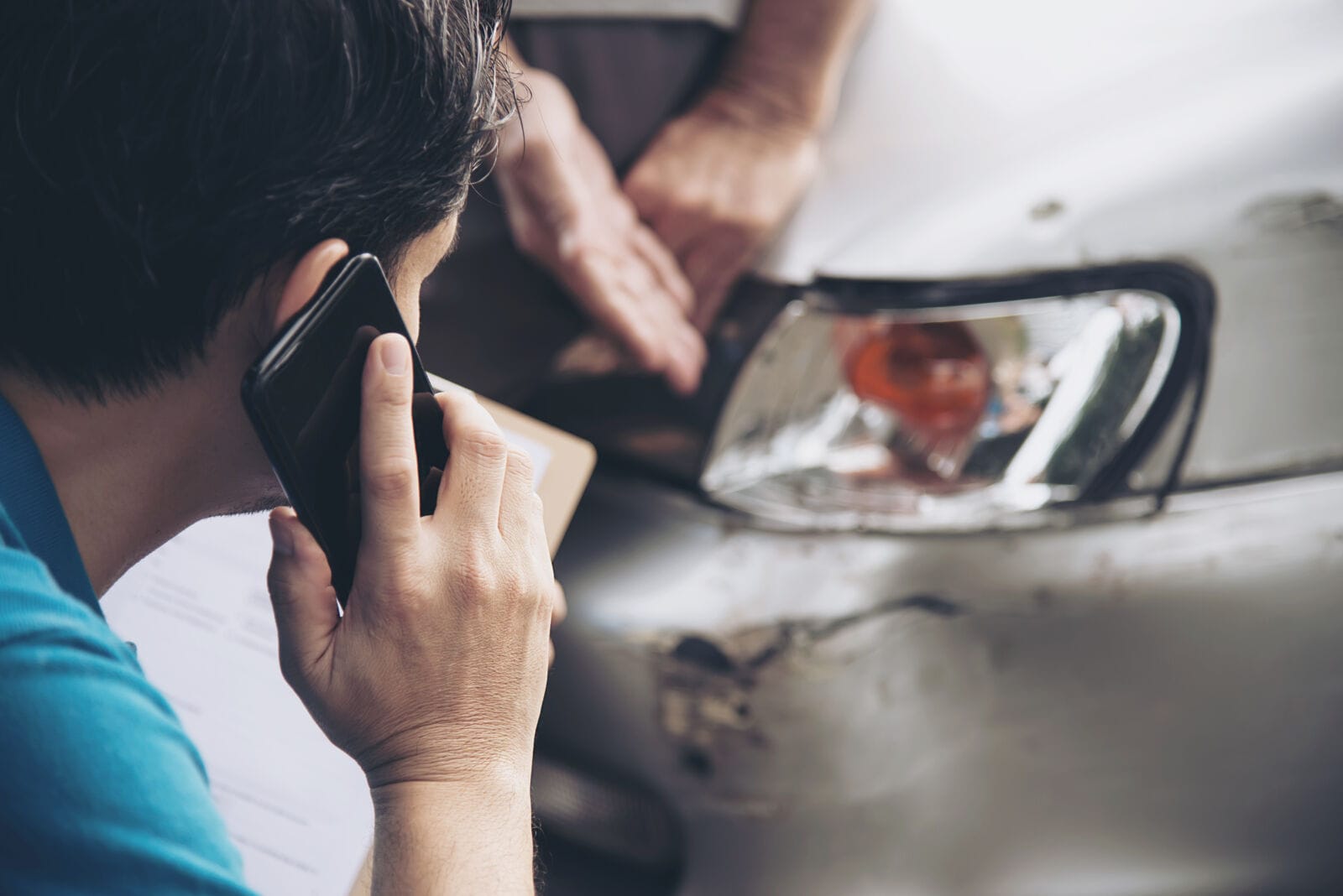
There’s a reason people forget basic details in the moments after a crash.
The body floods with adrenaline and cortisol at the instant of the impact, and that chemical rush is built for one thing: survival, not memory.
It’s also why so many drivers walk away from a fender bender feeling “fine,” only to wake up the next morning barely able to turn their head.
The delayed symptoms can appear anywhere from a few hours to a few weeks after the crash, largely because adrenaline and endorphins mask pain right after the injury. And for motorcyclists, who tend to come off worse in a collision, a top motorcycle accident lawyer earns a spot on that first-hour call list right alongside the ER.
Knowing that going in changes how you should treat the next sixty minutes.
Image source: OpenAI
The One Rule That Overrides Panic
Stop. Breathe. Assess.
Before you touch your phone or step out of the car, take three seconds to check that you’re not hurt worse than you feel. Everything else in this guide depends on that first read.
Step 1: Check for Injuries Before Anything Else
Look at yourself first, then your passengers, then anyone else involved.
- Numbness, dizziness, chest pain, or trouble breathing are signs that override every other item on this list; call 911 immediately if you notice any of them.
- If someone might have a neck or back injury, don’t move them unless there’s an immediate danger like fire or oncoming traffic.
This step matters more than it looks like it should, because injury and pain don’t always show up at the same time.
NHTSA’s 2023 crash data shows an estimated five people were injured every minute in traffic crashes that year, and a large share of them likely felt fine in the first few minutes. Adrenaline is doing the talking right after impact, not your nervous system, so “I feel okay” isn’t the same as “I’m not hurt.”
Treat this check as a first pass, not a final verdict.
Step 2: Get Out of Harm’s Way
If your car still runs and nobody appears seriously hurt, move it off the road.
A second collision is a real risk while you’re stopped in traffic, and it’s often more dangerous than the first one. Hazard lights go on immediately, and flares or a warning triangle help if you have them. If the car can’t be moved, get yourself and your passengers to the shoulder or a safe distance away instead.
Source: Unsplash
Step 3: Call the Police, Even for “Minor” Accidents
Even a low-speed tap deserves a police report.
It creates an independent, timestamped account of what happened, something that matters most later if there’s any dispute about fault or injuries.
- When the officer arrives, stick to facts.
- Don’t guess, don’t fill silence with apologies, and avoid phrases like “I’m sorry” or “I didn’t see them,” since those get repeated back in claims disputes.
- Ask for the report number before you leave the scene.
Step 4: Document Everything While It’s Fresh
Your phone is the most useful tool you have right now.
- Photograph the vehicles from multiple angles, the road and weather conditions, license plates, and any visible injuries.
- Get the other driver’s name, license number, and insurance details, and if there are witnesses, their contact information too.
Skid marks fade, debris gets swept up, and memories shift within hours, so this step has a short shelf life.
Step 5: Watch What You Say and Sign
Fault in a crash is often more complicated than it looks in the moment, involving factors like signal timing or road conditions that aren’t obvious from the driver’s seat.
Save the detailed conversation for your insurer and, if needed, a lawyer. Don’t sign anything the other driver hands you at the scene either.
Step 6: Call Your Own Insurer Before the Day Ends
Most policies require prompt notice, and waiting even a day or two can be used against you later, so make this call before you go to bed.
- Report it on the same day. Date, time, location, who else was involved, and whether police responded.
- State facts, not conclusions. Describe what happened, not who was at fault; that gets determined later from the report and evidence.
- Ask about coverage now. Rental reimbursement, repair shop requirements, your deductible, and easier to ask upfront than mid-repair.
- Save your claim number. Every follow-up call and document gets tied back to it.
This call starts the paper trail for everything that follows. It’s as important as the police report.
Source: Unsplash
When to Call a Lawyer, and Why Timing Matters
You don’t need a lawyer to survive the first hour. But there are a few reasons the timing of that call matters more than people assume; reasons that have nothing to do with how serious the crash looked at the scene.
- The other side’s insurer moves fast. An adjuster is often assigned within a day, working from the company’s side before you’ve even seen a bill. A lawyer means someone is working just as fast from your side too.
- Evidence has a shelf life. Nearby security footage often gets overwritten within days, and some vehicles store crash data like speed and braking that has to be requested before it’s gone. A personal injury attorney knows what to pull and how quickly.
- Claims have a deadline. Most states give you one to a few years to file, which sounds distant right after a crash. But building a real case takes time, so starting early buys you room instead of a scramble later.