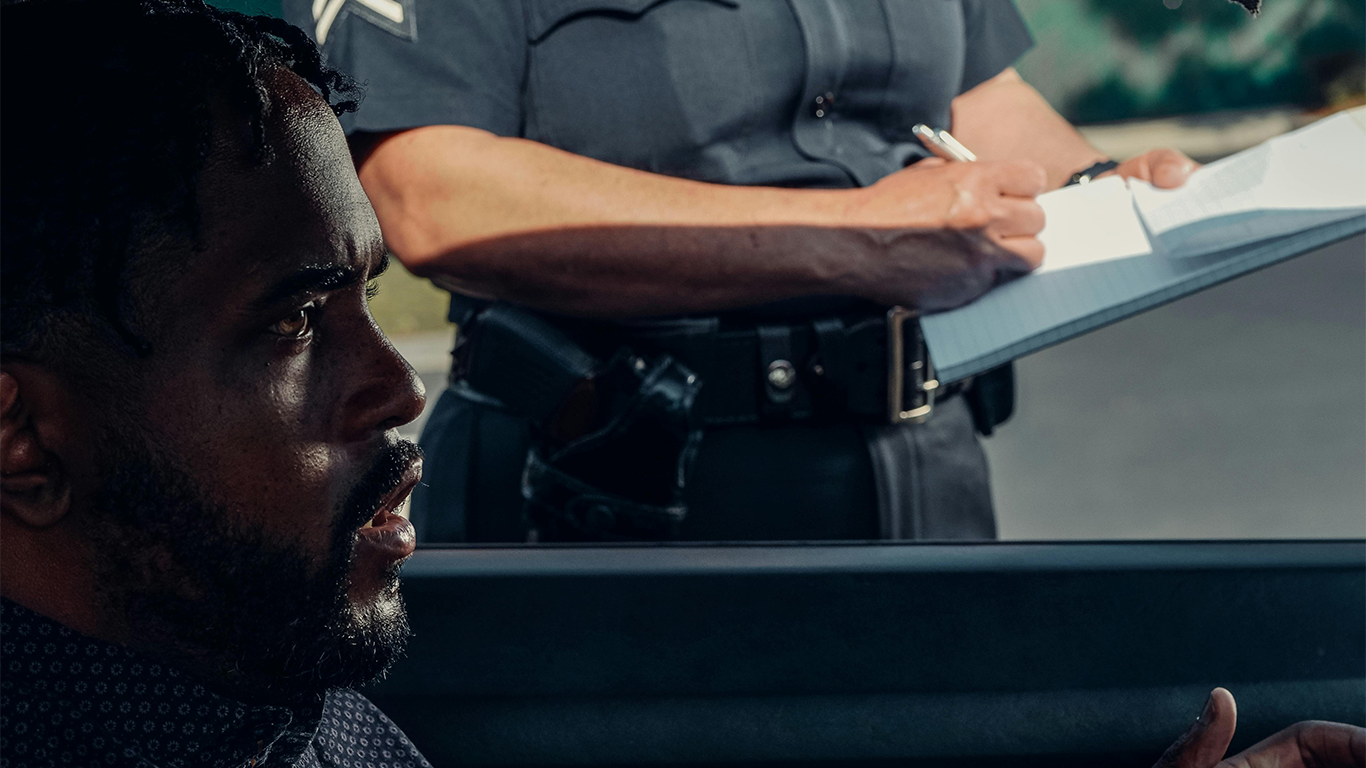
Watching an officer walk toward a crash scene with a clipboard creates a lot of anxiety for everyone involved. Most drivers wait with bated breath to see if someone will be handed a yellow slip of paper. There is a common belief that a ticket is the only thing that decides who is at fault for the wreckage.
The truth of the matter is that a police report is a comprehensive document that captures the environment of the accident long after the cars are towed. It serves as a snapshot of a moment in time that can never be recreated. The details hidden in the margins often tell a much more compelling story than a simple traffic violation.
Legal teams review these documents carefully to identify facts that may help support a claim for recovery. Their focus is often on the observations and findings of the responding officer, regardless of whether the driver received a citation at the scene. Focusing on the underlying facts rather than simply the ticket itself is what allows a strong personal injury claim to move forward.
The Weight of the Narrative
An officer’s narrative section is often the most important part of the entire report. This is where the responder describes the scene in their own words, noting things like the presence of skid marks or the smell of burning rubber. These sensory details provide a level of realism that a simple checked box cannot achieve.
The report also captures statements made by the drivers in the immediate aftermath of the impact. People often say things at the scene that they might later regret or try to change once they speak to an insurance company. Having these words recorded by a neutral third party is a powerful tool for finding the truth.
Weather and lighting conditions are also carefully noted in this section to provide context for the collision. If a driver claims they were blinded by the sun or a sudden downpour, the report will either confirm or deny that story. These environmental facts are essential for proving that a driver failed to adjust their behavior to the conditions.
Assessing Fault Beyond the Ticket
Police officers have a significant amount of discretion when it comes to handing out tickets at the scene of a wreck. Sometimes they choose not to issue a summons because they did not personally witness the event or because they feel a warning is sufficient. This does not mean that one driver isn’t primarily responsible for the crash.
Most reports include a section for contributing factors where the officer can list behaviors like speeding or following too closely. These notes are a clear indication of fault even if no formal criminal charges are filed against the driver. It allows the insurance company to see exactly what the officer believed happened on the road.
Civil liability operates on a much lower standard of proof than the criminal system used by the police. A driver can be held fully responsible for your medical bills in a civil claim even if they never face a day in traffic court. The contributing factors listed in the report are the foundation for these civil arguments.
DEEPER DIVE: Read all the Ranking Arizona Top 10 lists here
INDUSTRY INSIGHTS: Want more news like this? Get our free newsletter here
Visual Data and Collision Reconstruction
The point of impact diagram is a technical drawing that shows the position of the vehicles at the moment they collided. This visual data is invaluable for engineers who recreate accidents to determine the speed and direction of travel. It provides a level of precision that verbal descriptions often lack.
By looking at the angles and the final resting positions of the cars, experts can calculate the force of the impact. This helps prove that a driver was traveling much faster than the posted limit or failed to apply their brakes. The diagram is a silent witness that tells a very specific and scientific story about the event.
Insurance adjusters rely heavily on these drawings to determine how much they should offer for property damage and medical claims. If the diagram shows a clear T-bone or rear end collision, it becomes much harder for the other side to argue about liability. It is a piece of evidence that is very difficult to dispute later.
Admissibility and the Law of Evidence
A common surprise for many people is that a traffic citation is often not allowed to be mentioned in a civil trial. The rules of evidence frequently view a ticket as a matter of police opinion rather than a proven fact. This is why the other details in the report are so critical for your success.
The direct observations of the officer are almost always allowed because they represent what the responder actually saw and heard. Things like the location of the debris or the position of the traffic lights are hard facts that a judge will consider. These observations carry a massive amount of weight in front of a jury.
Working with an attorney who knows how to use the report effectively is the best way to handle these evidence rules. They can ensure that the officer’s testimony is focused on the facts that prove your side of the story. The report acts as a roadmap for the entire legal strategy during the litigation phase.
Conclusion
A successful personal injury case is built on a foundation of facts that goes far beyond a single traffic ticket. While a citation is helpful, it is the narrative and the physical evidence in the report that truly matter. Every detail captured at the scene is a building block for your future recovery.
Do not be discouraged if the police decide not to ticket the other driver at the scene of the crash. Many winning cases start with a neutral report that simply records the facts of a clear and obvious negligence. The goal is to show a preponderance of evidence that favors your version of events.
Taking the time to review the report with a professional is a necessary step for every accident victim. It allows you to see the strengths and weaknesses of your position before you engage with the insurance companies. Knowledge of the report is the first step toward a fair and just settlement today.