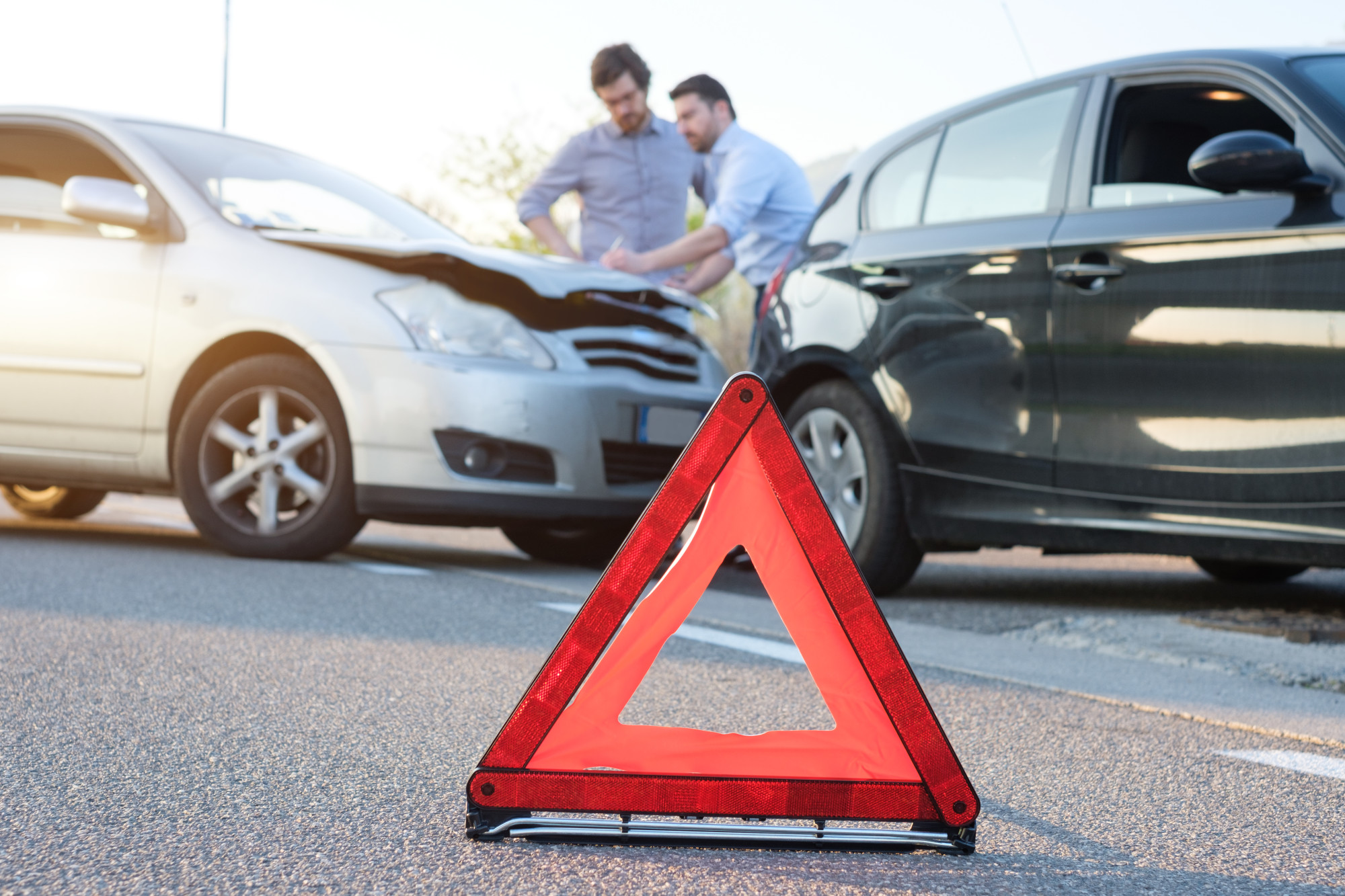
A damaged car can show that a collision happened, but it cannot always explain who caused it. Two drivers may describe the same crash in completely different ways. One may claim the other driver was speeding, while the other may blame a sudden stop. Without clear facts, deciding who should take responsibility can become difficult.
Proving fault in a car accident claim helps establish how a collision happened and who may be legally responsible for the resulting harm. This can affect insurance decisions, settlement offers, and the compensation an injured person may receive. Knowing what evidence matters and how responsibility is assessed can help drivers make informed choices after a crash.
What Does Fault Mean After a Car Accident?
Fault refers to the responsibility a person has for causing an accident. In many cases, it involves negligence, which means failing to act with reasonable care. A driver who ignores traffic rules or fails to pay attention may put others at risk.
Common examples of driver negligence include:
- Speeding or driving too fast for road conditions.
- Texting or using a phone while driving.
- Running a red light or stop sign.
- Failing to yield to another vehicle.
- Following another vehicle too closely.
However, being involved in a collision does not automatically make someone responsible. The circumstances must be reviewed to determine what each driver did and whether those actions contributed to the crash.
How Does Fault Affect Compensation?
Fault plays an important role in deciding whether an injured person can recover compensation and how much they may receive. Insurance companies review the available information to determine who was responsible and whether the claim should be paid.
Compensation may cover several types of losses, including:
- Medical bills and future treatment costs.
- Lost wages and reduced earning ability.
- Vehicle repair or replacement expenses.
- Pain and suffering, where permitted by law.
Disagreements over responsibility can delay the claims process or reduce a settlement offer. Some accidents also involve shared fault, meaning more than one person contributed to the collision.
In states that follow comparative negligence rules, an injured person’s compensation may be reduced based on their share of responsibility. Some states also restrict recovery if the injured person is mostly at fault. The exact rules depend on the state where the accident occurred.
What Evidence Helps Establish Responsibility?
Clear evidence can help explain how an accident happened. Rather than relying only on what each driver remembers, insurance companies may examine records and other details to build a fuller picture of the collision.
Important forms of evidence include:
Police reports: These may contain driver statements, witness details, road conditions, and observations made by responding officers. Although useful, a report does not always settle every question about fault.
Photos and videos: Pictures of vehicle damage, skid marks, traffic signs, and the surrounding road can help show what happened. Dashcam footage or nearby security cameras may also capture important details.
Witness statements: People who saw the crash may provide information that supports or challenges either driver’s account.
Medical records: Treatment records can document injuries and help connect them to the collision.
Vehicle data: Available electronic information may show details such as speed or braking before impact.
For someone proving fault in a car accident claim, keeping these records organized can make it easier to explain the events and respond to questions from an insurer.
Why Do Drivers and Insurers Disagree About Fault?
Not every collision has an obvious cause. A crash at an intersection may involve conflicting accounts about a traffic signal. In a chain reaction collision, several drivers may have contributed to the damage. Poor visibility or missing video footage can also make events harder to confirm.
Insurance companies may review statements, photographs, police reports, and other available records before deciding how responsibility should be divided. They may also question details that appear inconsistent.
These disagreements matter because an insurer’s decision can influence the amount offered in a settlement. Providing accurate information and supporting it with reliable evidence can help address disputed facts. Drivers should avoid guessing about events they cannot clearly remember or accepting blame without understanding what happened.
Practical Steps to Take After a Crash
Taking a few sensible steps can help preserve useful information and prevent important details from being lost. These actions can also support proving fault in a car accident claim if questions about responsibility arise later.
- Get medical attention. Seek care for injuries, even if symptoms seem minor at first.
- Report the accident. Follow applicable reporting requirements and provide accurate information.
- Document the scene. If it is safe, photograph vehicle damage, road markings, traffic signals, and other relevant details.
- Collect witness information. Ask witnesses for their names and contact details.
- Keep important records. Save medical bills, repair estimates, receipts, and communications with the insurance company.
- Be careful with statements. Stick to facts rather than guessing about speed, distance, or responsibility.
If fault is disputed or the injuries are serious, consider speaking with a car accident attorney. An attorney can review the available evidence, explain applicable state laws, and help address disagreements with the insurer.
Build a Stronger Claim by Establishing Fault
A damaged vehicle may show the force of a collision, but it does not explain who caused it. Establishing responsibility requires a closer look at the actions that led to the crash and the evidence available to support each account.
For anyone dealing with a disputed car accident claim, having the right information can make a difference. A car accident attorney can review the available evidence, explain the options under state law, and help address disagreements with the insurance company. If you are facing questions about fault or compensation, consider contacting a law firm experienced in car accident cases to discuss your situation and learn what steps you can take next.