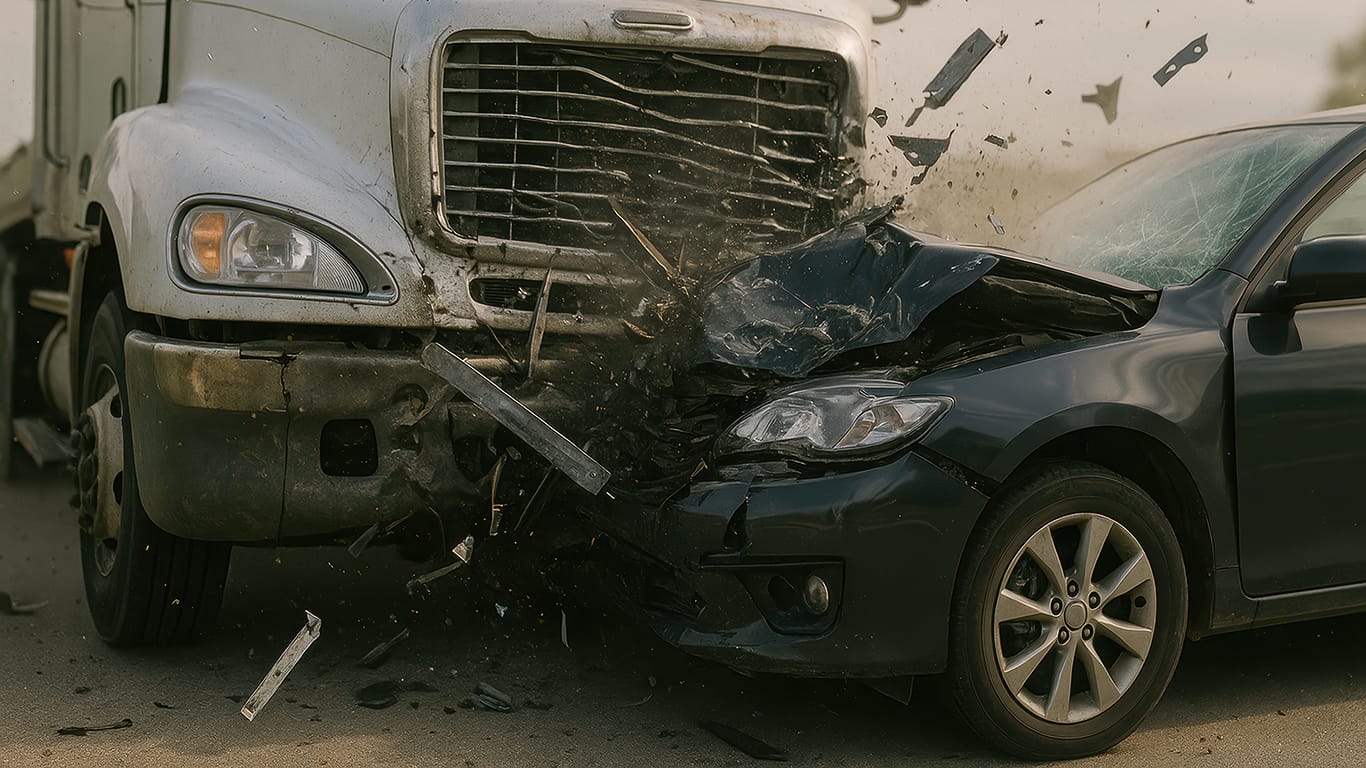
Truck crashes place extreme force on the spine, skull, chest, abdomen, and major joints. A loaded commercial rig may weigh up to 80,000 pounds, which changes both injury patterns and recovery needs. Care can extend from emergency imaging to surgery, therapy, and work restrictions. For that reason, a claim often must measure future treatment, reduced earning ability, and daily pain with careful medical support.
Early Legal Focus
In the first days after a severe collision, records can vanish, including driver logs, repair files, camera footage, and electronic control data. A truck accident attorney in colorado springs can review those materials, trace possible fault, and help injured people avoid settlement pressure before physicians define the long-term outlook.
Bigger Vehicles, Greater Force
A tractor-trailer carries mass that a passenger car cannot absorb evenly. That weight drives force through seats, belts, bones, and soft tissue. Airbags help, yet they cannot prevent every brain, neck, or torso injury. Even a lower-speed impact may leave permanent symptoms if a smaller vehicle rolls, spins, or becomes trapped.
Injuries Often Last
Truck collision injuries may include spinal cord trauma, brain injury, fractures, burns, internal bleeding, ligament tears, and nerve compression. Recovery may require surgery, rehabilitation, injections, medication, and repeat imaging. Some people return with lifting limits or reduced stamina. Others cannot resume prior job duties, which raises wage loss and future earning concerns.
Medical Costs Build
Ambulance transport is often only the opening charge. Hospital care, specialists, physical therapy, assistive devices, and home support may follow. Future treatment also belongs in the valuation. A larger demand may include later surgery, pain management, counseling, prescriptions, and mobility changes. Without those figures, a settlement may leave serious needs unpaid.
Work Loss Adds Pressure
A truck crash can stop income without warning. Hourly employees may lose shifts, while business owners may miss contracts, clients, or seasonal revenue. Severe injuries can also reduce future earning capacity. That loss usually needs more than pay stubs. Tax records, employer letters, medical restrictions, and vocational opinions can show the full impact.
Liability Has More Layers
Truck cases often involve several responsible parties. The driver may have followed too closely or ignored traffic conditions. The carrier may have failed to train, inspect, or maintain equipment. A shipper, broker, repair shop, or parts manufacturer may also share fault. More parties can increase available insurance, while also creating blame disputes.
Driver Conduct
Speeding, distraction, fatigue, unsafe lane changes, and poor following distance remain common concerns. Commercial drivers must account for wide blind spots and longer braking time. One rushed decision can turn routine traffic into a catastrophic event.
Company Choices
Carriers control schedules, inspections, maintenance records, hiring standards, and safety practices. A driver may be one part of a broader failure. Documents can reveal pressure, skipped repairs, weak supervision, or ignored warning signs.
Evidence Is Time Sensitive
Commercial trucking creates records that can clarify fault. Useful proof may include inspection reports, dispatch notes, route data, dash camera video, phone records, and event recorder downloads. Some files may be overwritten or misplaced. Prompt preservation requests can secure facts before an insurer shapes the story around missing details.
Insurance Defense Starts Early
Truck insurers may begin investigating within hours. Adjusters can gather statements, inspect vehicles, review photos, and search for arguments that reduce payment. Injured people may still be medicated, frightened, or waiting for diagnosis. Early offers often miss future care, permanent limits, and delayed symptoms, so careful review matters before any release.
Colorado Fault Rules Matter
Colorado follows modified comparative negligence. If an injured person shares blame, compensation can be reduced by that percentage. If fault reaches the legal cutoff, recovery may be barred. Trucking defendants may argue speed, lane position, distraction, braking, or seat belt use to lower the claim.
Damages Need Full Proof
A larger demand should tie each loss to evidence. Medical records document diagnosis, treatment, pain levels, and restrictions. Expert opinions can explain future care and physical limits. Wage records show missed income. Photos, journals, and family statements may describe sleep problems, mobility issues, and household changes.
Settlement Value Is Personal
No fixed formula captures every truck injury. Two people may have similar scans yet different jobs, recoveries, and family duties. Age, medical history, work demands, symptom duration, and permanent restrictions all affect value. Strong claims explain financial loss and human impact in clear, grounded terms.
Conclusion
Truck collision claims are often larger because the injuries are deeper, proof is broader, and insurers move quickly. A fair demand should account for medical care, lost income, future limits, and every party that contributed to the crash. When records are preserved early and damages are documented with clinical detail, injured people have a stronger chance to seek compensation that reflects the real cost.