Retail success does not start on opening day. It starts weeks, sometimes months, before the doors unlock for the first customer. You have the perfect location and the right products, but do you have the right tools? You wouldn’t want to deal with long checkout lines or disorganized shelves, right?
So, have you thought about what systems will keep sales moving smoothly? What tools will protect your inventory and your profits?
New store owners often focus heavily on inventory and décor. They matter, sure. But it’s the equipment that keeps everything running.
So before you flip that “Open” sign, let’s walk through what you truly need to be retail-ready.
The Right Price Gun: Why it Matters
Let’s understand the importance of a pricing gun first. Have you ever picked up an item and struggled to find the price? Or seen a label that looked smudged or half-printed? Does it inspire you to make the purchase, or do you usually skip that product? We know your answer, and that’s precisely what makes a pricing gun so crucial.
Now, you’ll find plenty of price guns on the market. Some look similar. Some cost less. But not all of them handle daily use well. A Monarch price gun stands out because it delivers consistent, clean labels and holds up under pressure.
Think about how often your team will use it. New shipments arrive. Promotions change. Clearance items need marking. That trigger gets squeezed again and again. If the gun jams or prints unevenly, it slows everything down. Staff get frustrated. Labels get wasted. Time slips away.
To put it simply, clear pricing builds trust. It keeps shelves organized and prevents awkward conversations at checkout.
Why compromise on something you’ll use every single day, right?
MORE NEWS: The 100 Best Doctors in Arizona for 2026
INDUSTRY INSIGHTS: Want more news like this? Get our free newsletter here
A Reliable Point-of-Sale (POS) System
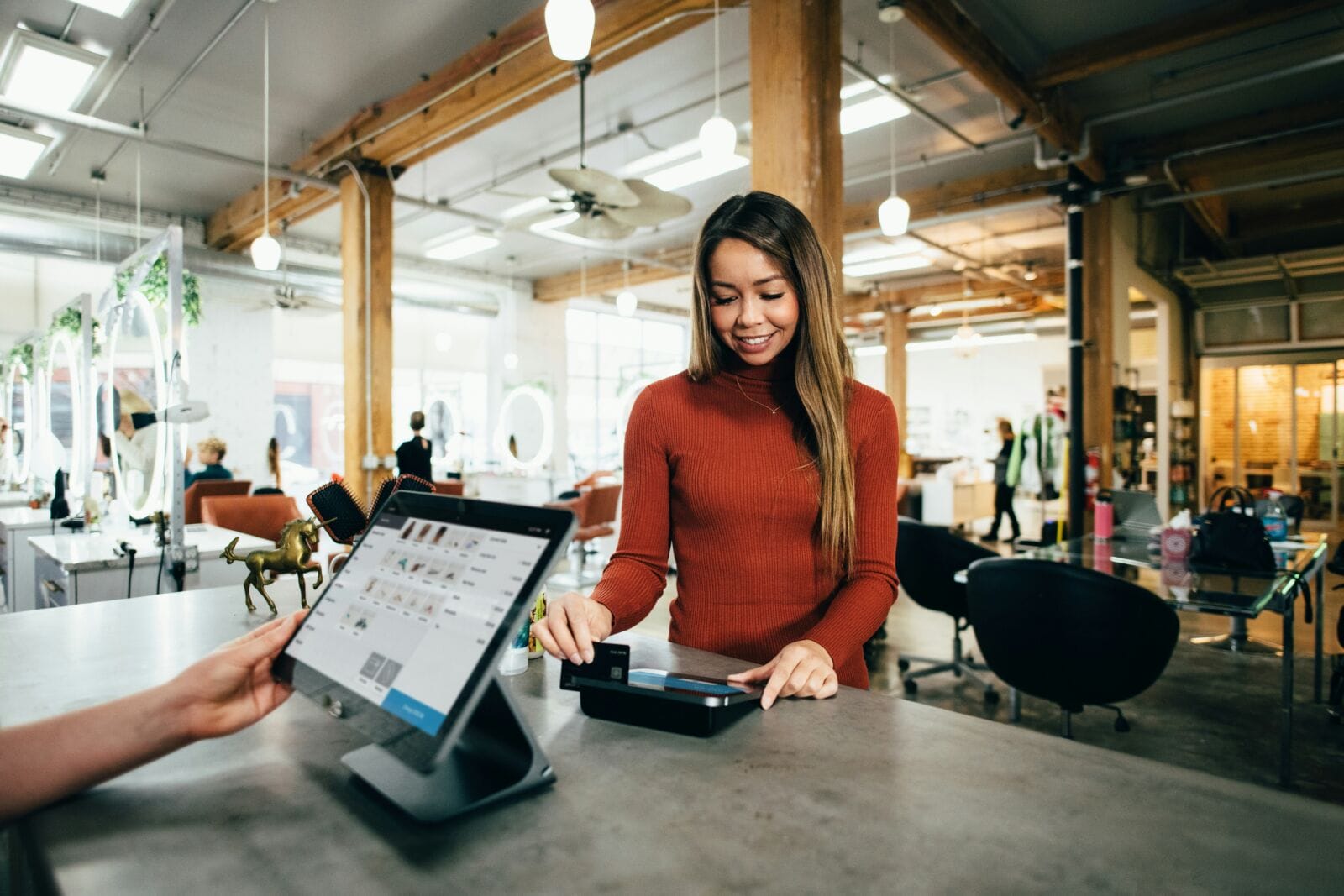
The POS system can either make your day smooth or completely derail it. It sits there quietly on the counter. But it controls everything, from sales to inventory, receipts, and reports. When it works well, you barely notice it. When it doesn’t? Everyone notices.
Long lines form fast. Staff start tapping screens twice. Customers shift their weight and glance at their watches.
You don’t need the most complicated system out there. You need one that’s clear. Easy to learn. Quick to respond. If it takes five steps to complete a simple sale, that’s a problem.
Look for real-time inventory tracking. When something sells, it should update instantly. No guessing. No manual corrections later.
Sturdy and Adjustable Shelving
Shelving does more than hold products. It shapes how your store feels. When you walk into a space with sagging shelves and cramped aisles, it feels cluttered, doesn’t it? But a store with clean lines and balanced displays? Now that feels inviting.
Strong shelving protects your inventory. Adjustable shelving gives you freedom. Seasons change. Products rotate. Displays shift. You don’t want to replace fixtures every time you refresh your layout.
Measure carefully. Leave space for customers to move comfortably. No one enjoys squeezing past tight corners. And think about weight. Heavy products need solid support. Lightweight items don’t excuse flimsy materials.
Good shelving stays in the background. It lets your products stand out. And when everything feels stable and organized, customers relax. They browse longer. They buy more. That’s the goal!
Secure and Functional Checkout Counters
The checkout counter is your final impression. This is where the sale becomes real. Where customers pause. Where they decide how they feel about the entire experience.
Counters should offer enough space. They must not be crowded or chaotic. Staff need room to scan, bag, and move comfortably. Customers need space to place their items without stacking them awkwardly. Storage underneath helps more than you think. Keep all those extra receipt rolls, bags, and cleaning supplies within reach. When everything has a place, movement feels natural.
Take a moment and picture your busiest hour. Can two transactions happen back-to-back without confusion? Can your staff stay calm and efficient?
If yes, you’ve done it right.
Barcode Scanners and Receipt Printers
Barcode scanners remove guesswork. They reduce pricing errors. They keep the line moving. Choose scanners that respond instantly. Delays of even a few seconds add up during rush hours.
Wireless options offer flexibility. But test them. Make sure the connection stays strong across your space. Receipt printers should work quietly and consistently. Make sure you keep backup rolls nearby. Running out mid-transaction creates unnecessary tension.
Listen during setup. Does the scanner beep quickly? Does the printer feed paper smoothly? When checkout tools work without hesitation, your team feels confident. And customers feel taken care of.
Inventory Storage Solutions
Let’s step away from the sales floor for a moment. What does your backroom look like? Because here’s the truth. If your storage area feels messy, that chaos eventually spills onto the floor. Staff waste time searching for items. Restocking takes longer than it should. Products go missing without actually being gone. You don’t need a massive warehouse. All you need is structure.
Install sturdy racks. Use clearly labeled bins. Keep new inventory separate from returns or damaged goods. Create a simple system that anyone on your team can understand without asking ten questions.
Ask yourself: can someone walk in and find a product in under a minute? That’s a good benchmark.
When your backroom runs smoothly, shelves stay stocked. And stocked shelves mean fewer missed sales. Customers should never hear, “I think we have it somewhere in the back.” You should know.
Security Systems and Surveillance Cameras
No store owner likes thinking about theft. But will ignoring it prevent it? Unfortunately, no. Visible security cameras discourage bad decisions. Place them at entrances and exits. Cover high-value sections. Eliminate blind spots. You can also use mirrors in corners where visibility drops.
The goal isn’t to make customers uncomfortable. It’s to create awareness. A well-monitored store protects your inventory and your staff. Ask yourself this: if something goes wrong, would you have a clear record of what happened?
Installing security systems doesn’t signify that you’re being paranoid – it simply means you’re being vigilant.
Opening a store feels exciting. A little overwhelming, too. You think about marketing, product launches, and first impressions. But the real rhythm of retail shows up in these daily details. These are the quiet systems working behind the scenes. And when everything runs the way it should, you’ll notice something interesting. You’re not constantly fixing problems. You’re not scrambling to adjust. You’re free to focus on customers, on growth, and on making a mark.