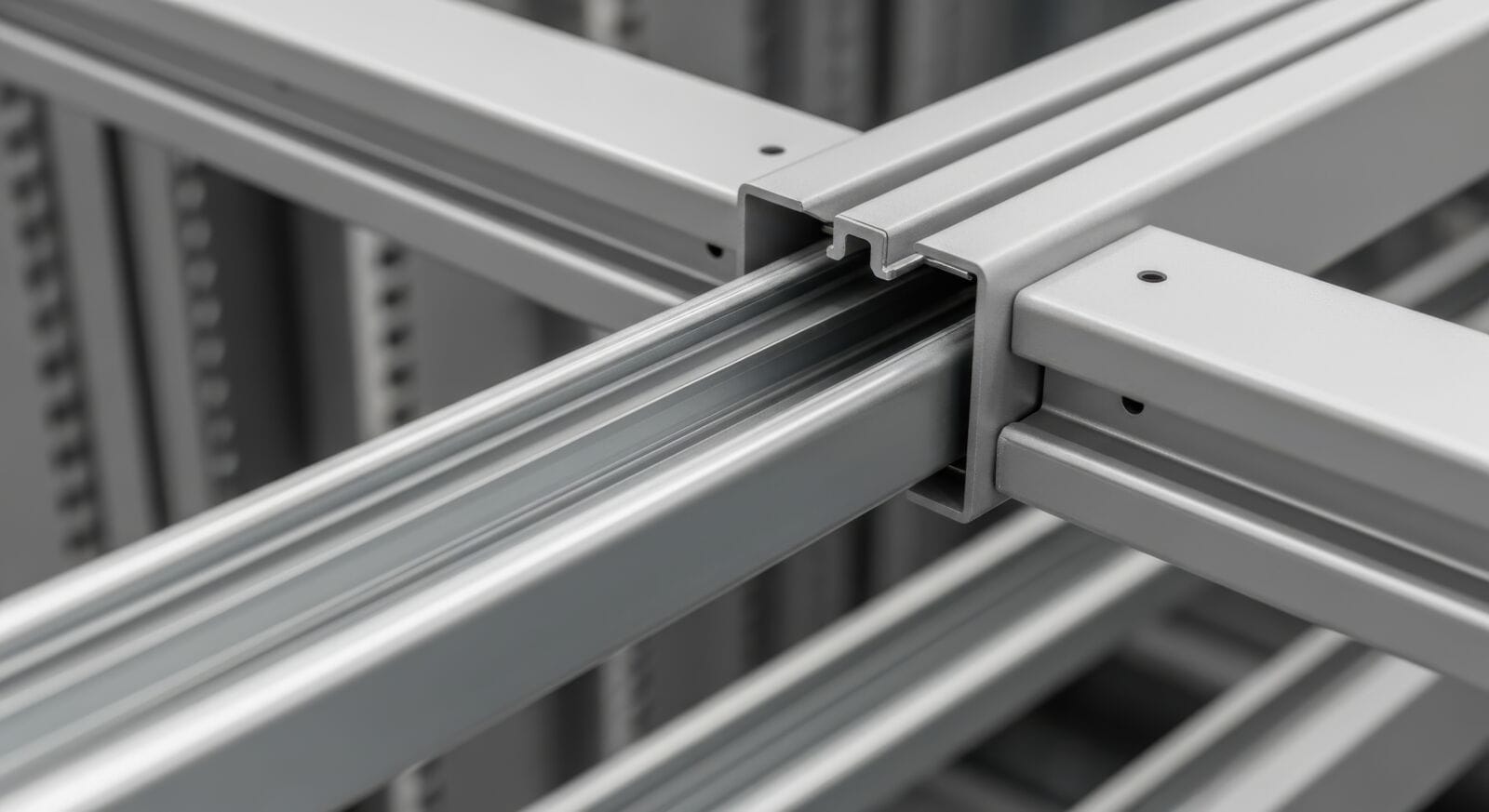
A server rack sliding shelf is a movable platform that mounts inside a standard 19-inch server rack. Unlike fixed shelves, a sliding equipment rack extends forward on rails, giving you full access to equipment without unracking it.
Fixed vs Sliding
A fixed shelf stays in place. It is cheaper but makes rear panel access difficult. A sliding shelf pulls out from the rack. It is ideal for equipment you service regularly, such as test servers, frequently reconfigured devices, or any gear needing rear cable access.
Key Benefits
A quality rack mount sliding shelf transforms how you work inside your cabinet. Here are the main advantages:
- Easy access to rear ports without unracking devices
- Faster maintenance and troubleshooting
- Better cable management when paired with cable management arms
- Denser packing of equipment since large service gaps are not needed
- Reduced dust accumulation and easier cleaning
Weight Capacity Guide
Light-duty models hold up to 75 pounds, good for laptops or monitors. Standard models hold 80 to 100 pounds, suitable for desktop PCs or small UPS units. Heavy-duty models hold 200 to 250 pounds, designed for tower servers. Extreme heavy-duty models hold 400 to 500 pounds, built for large servers and storage arrays. Never exceed the rated capacity — overloading bends rails and can damage equipment.

Two-Post vs Four-Post
A two-post sliding shelf mounts only to the front rails and works for lightweight gear under 80 pounds. A four-post sliding shelf mounts to both front and rear rails, distributing weight evenly. For any equipment over 80 pounds, especially servers, choose a four-post shelf.
Cooling and Airflow
Solid shelves block vertical airflow in the rack and can create hot spots. Whenever possible, choose perforated or vented sliding shelves that allow cold air to pass through. This small decision helps prevent overheating and extends equipment life.
Sliding Shelf vs Rails
Use a sliding shelf when:
- Equipment is not rack-mountable (tower servers, desktop computers, monitors)
- You need a flat work surface inside the rack
Use purpose-built rails when:
- You need precise alignment for multiple servers
Rails typically offer better vibration dampening and tool-less installation.
Common Mistakes to Avoid
- Ignoring rack depth — a shelf that is too long will hit the rear door
- Overloading — always leave a 20% safety margin below the rated capacity
- Skipping cable management — without a cable arm, sliding can rip connectors off
- Mounting heavy gear on two-post shelves — front rails alone cannot safely cantilever heavy loads
A server rack sliding shelf saves time, protects equipment, and improves organization. Choose based on weight capacity, mounting type, and cooling needs. Pick the right shelf for your needs — your servers will thank you.