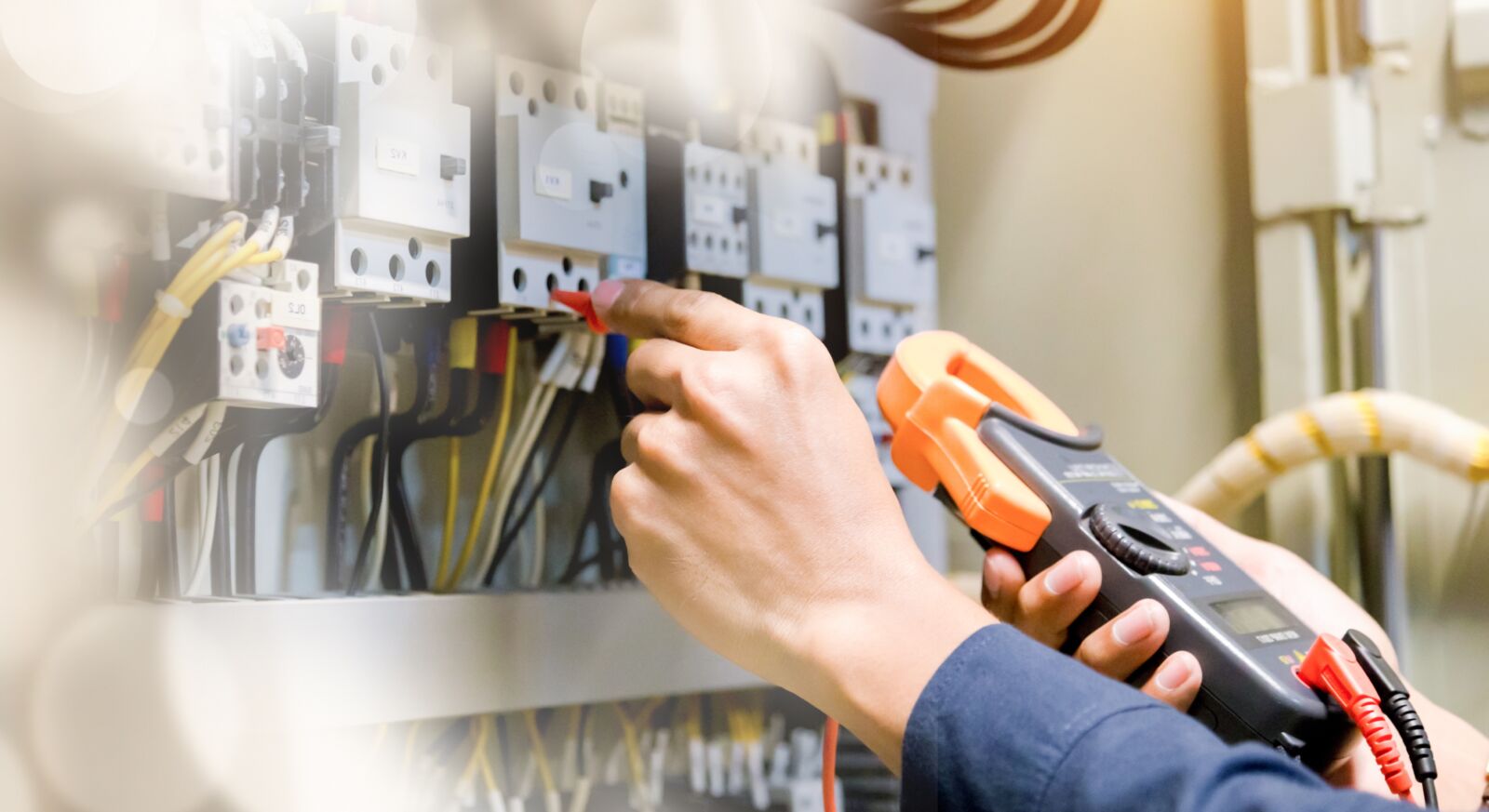
The modern home is basically a small data center with a kitchen attached. Between EV charging, smart appliances, laptops, and the stuff you forget is even “smart” (thermostat, doorbell, fridge that judges you), your electrical system is doing a lot more than it did 20 years ago. Which is why surge protection isn’t a nerdy add-on anymore—it’s home ownership’s version of wearing a seatbelt.
If you’re in the Bay Area, especially in older housing stock, it’s worth asking a San Francisco electrician to look at your panel and grounding before you start relying on expensive electronics day-to-day. Because “surge protection” only works as well as the electrical foundation it’s connected to. Think of it like buying a top-tier bike helmet and then riding into a wall. We’re trying to avoid the wall.
Let’s break down what surges are, what they can wreck, and how to protect the stuff you care about—without turning your garage into a science fair.
What counts as a “surge” (and why it’s not just lightning)
When people hear “power surge,” they picture lightning striking a transformer like a movie scene. That does happen—but it’s not the main problem.
Most surges are smaller, more frequent, and more annoying. Common causes include:
- Utility grid switching (normal operations that create brief spikes)
- Downed lines or nearby faults
- Large appliances cycling (HVAC, refrigerators, compressors)
- Motors turning on/off (even in neighboring units)
- Wiring or connection issues inside a home (loose neutrals, deteriorating components)
The key detail: electronics are sensitive. They don’t need a dramatic event to get damaged. Repeated small surges can slowly degrade components over time—like tiny electrical paper cuts—until something fails at the worst possible moment.
Why EV chargers deserve special attention
EV chargers are tough, but they’re not indestructible. A Level 2 charger is a high-power device with control electronics inside, and it often lives in harsh conditions: garages, carports, exterior walls, fog, moisture, temperature swings.
If you’re planning EV charger installation in San Francisco, surge protection should be part of the conversation—not an afterthought once the charger is already mounted and you’ve celebrated with a victory photo.
Surge-related problems with EV charging can show up as:
- Charger stops working or “won’t connect”
- Fault/error lights that weren’t there before
- Intermittent charging (works sometimes, fails other times)
- Damaged internal boards (expensive, sometimes not covered)
- Issues that look like a charger problem but are actually a home electrical problem
Also: EV chargers aren’t the only concern. A surge that hits your panel doesn’t politely target one device. It can take a tour through your whole house.
Two main types of surge protection (and what each is for)
1) Point-of-use protection (power strips, plug-in devices)
These are the surge protectors most people know: power strips and plug-in protectors.
They can be useful for:
- TVs, computers, gaming systems
- Routers/modems
- Home office gear
- Sensitive electronics on dedicated outlets
But there are limits:
- Many are cheap and underpowered
- They don’t protect hardwired devices (HVAC, EV chargers, built-in appliances)
- They’re often placed far from the most important entry point: your electrical panel
Think of point-of-use protectors like umbrellas. Helpful, but not if the storm is happening inside your house.
2) Whole-home surge protection (installed at the panel)
This is the “real” baseline for modern homes: a surge protective device (SPD) installed at the main panel (or service equipment).
It helps protect:
- Everything in the home (to a much greater extent)
- Hardwired equipment: furnace, AC, appliances, EV charger circuits
- Multiple circuits at once
Whole-home surge protection is especially valuable because it intercepts a surge where it enters—before it spreads.
Best practice is usually:
- Whole-home SPD at the panel
- Plus point-of-use protectors for especially sensitive or expensive electronics
Layered protection is boring… and that’s the goal. Boring equals working.
The three things that make or break surge protection
Here’s the part that gets skipped in a lot of “quick tips” articles. A surge protector is not magic. It’s a device that needs a good electrical ecosystem to do its job.
1) Proper grounding and bonding
Surge protection works by diverting excess voltage to ground. If grounding is poor, the surge doesn’t have a clean path—and your electronics may become the path. Not ideal.
2) Correct installation (especially lead length)
With whole-home SPDs, how it’s installed matters. Shorter, cleaner connections generally perform better. This is one reason panel work is not a “watch a video and vibe it out” project.
3) Panel condition and connection quality
Loose connections, corrosion, heat damage, or outdated equipment can create conditions where surges (and normal loads) behave badly. Sometimes the most important “surge fix” is addressing an underlying panel or service issue.
“Do I really need this?” The practical cost-benefit
Let’s do the math without pretending anyone enjoys doing math.
Surge protection cost: typically modest compared to the cost of replacing:
- A modern refrigerator control board
- A smart oven/range board
- A TV
- A router + network gear (and the work interruption)
- EV charger repair/replacement
- And the time spent diagnosing weird intermittent failures
Also: surge damage isn’t always instant. It can shorten the life of devices, causing failures that look random. That’s the worst kind because you don’t get a satisfying “aha” moment—just a slow drip of expensive repairs.
Surge protection is basically insurance you can install once and forget, which is the best kind of adulting.
Common misconceptions (a.k.a. the myths that fry equipment)
Myth #1: “I have power strips, so I’m covered.”
Power strips help, but they’re not whole-home protection. They also vary wildly in quality. Some are essentially fancy extension cords with a marketing label.
Myth #2: “My EV charger is hardwired, so it’s safer.”
Hardwiring is great for reliability and safety, but it doesn’t automatically protect against surges. In fact, hardwired equipment benefits a lot from whole-home SPDs because it can’t be “shielded” by a plug-in protector.
Myth #3: “Surges only happen during storms.”
Nope. Many surges come from the grid or internal switching. Lightning is just the celebrity cameo.
Myth #4: “If something is damaged, I’ll know immediately.”
Sometimes. Other times, components degrade and fail later. That’s why surge protection can feel invisible—right up until it prevents a very visible bill.
When it’s an emergency (and you should stop troubleshooting)
If you notice any of these, don’t keep experimenting:
- Burning smell near a panel/outlet
- Buzzing, crackling, or sizzling sounds
- Visible scorch marks
- Repeated breaker trips right after a surge event
- Flickering lights across multiple rooms
- Charger suddenly behaving erratically after a power event
That’s when calling an emergency electrician in San Francisco is the smart move. Electrical faults can escalate quickly, and “wait and see” is a terrible plan when heat and arcing are involved.
Conclusion: the calmest homes are the protected ones
Surge protection isn’t flashy. It won’t make your EV charge faster or your coffee taste better. What it will do is reduce the odds that a random power event turns into a weekend of replacing expensive electronics and googling error codes at midnight.
If you’re upgrading your home for modern living—especially adding a Level 2 charger—start thinking like a systems engineer (just without the hoodie stereotype). A layered approach—whole-home protection plus point-of-use protection—paired with solid grounding and a healthy panel is the recipe for fewer surprises.
And in a world where appliances now have firmware updates, “fewer surprises” is basically luxury.