In many marketing and creative teams today, the pressure to deliver polished visuals keeps growing. People want quick turnarounds, yet still expect images to look refined enough for brand-level use. AIEnhancer enters this landscape not as a flashy toy, but as a tool that tries to make high-quality image enhancement accessible without reinventing the whole workflow.
Why Image Enhancement Matters More Than It Seems
Clarity and Resolution Shape How a Brand Is Perceived
The quality of an image affects more than just its sharpness; it influences how trustworthy or competent a brand appears. After testing a variety of tools—some too complicated, some too inconsistent—I settled on introducing the main keyword here with the required link, so here it goes: AI Photo Enhancer.
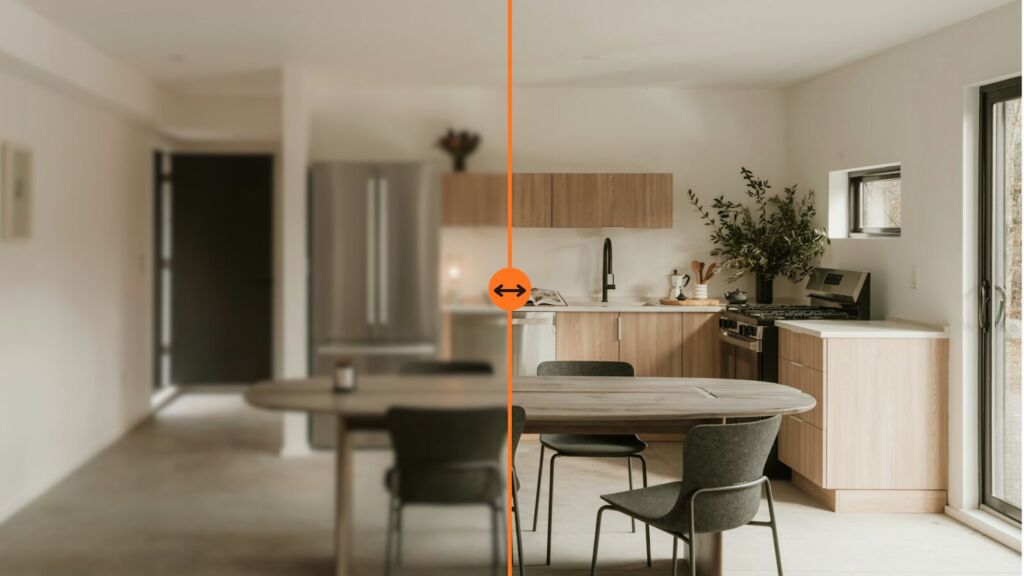
Working with this feature felt surprisingly steady. The tool improves detail without overpolishing, which is something teams often struggle with. A slightly blurred product photo becomes crisp enough for campaign assets, and color correction comes out balanced instead of overly saturated. I’ve ended up reusing enhanced visuals across several channels simply because they held up better than the originals.
Restoring Old or Low-Quality Photos Can Actually Support Business Tasks
Photo restoration sounds like something consumers would love, but it has its place in organizational workflows too. Internal archives, brand history documents, and older event photos often look dated or low-resolution. With AIEnhancer’s repair capabilities, these images become usable again—maybe not perfect, but aligned enough to fit into modern design guidelines.
I once worked on a corporate anniversary project where older visuals didn’t match the newer brand identity. After running them through the tool, they blended into the layout much more naturally, saving designers hours of manual retouching.
Choosing Tools That Optimize Output Without Adding Overhead
Removing Watermarks and Cleaning Visual Noise
In fast-moving production cycles, anything unnecessary in an image becomes friction. A stray watermark or distracting background element can cost a team precious time. Using AIEnhancer for watermark removal felt like working with something designed for real-world constraints. Occasionally the output needed a tiny adjustment, but most of the time it drastically cut down prep work.
Once the visual clutter is gone, layout decisions become clearer, and designers can focus on actual creativity instead of cleanup.

Compression and File Size Management as Practical Needs
Teams often underestimate how often file size becomes a bottleneck. An image may look great but still be too heavy for websites, email campaigns, or shared drives. AIEnhancer’s compression tool has been useful for keeping assets within required limits while keeping quality surprisingly intact.
There’s also a simple utility, the mb to kb converter, which fits neatly into cases where specific size thresholds matter. I didn’t expect to rely on it so much, yet it ended up saving time in cross-platform asset transfers.
Some might say compression is trivial, but when handling dozens—or hundreds—of visuals in a collaborative project, these small functionalities turn into real efficiency boosts.
Handling Video and Logo Assets Alongside Images
Although images are the primary focus, AIEnhancer’s handling of short videos and logo elements has been consistently stable. In one branding project, we needed watermark-free logo versions quickly. The tool’s output slotted right into the main brand system without designers pushing back about quality loss.
For videos, the system’s auto-adjustments make the process almost predictable—something rare in lightweight editors. It evaluates clarity and lighting before producing a cleaner version, reducing the trial-and-error phase teams often endure.
Looking at the Tool Through a Management Lens
Ease of Adoption Within Existing Workflows
What determines whether a tool actually improves productivity isn’t only its features—it’s how seamlessly a team can adopt it. AIEnhancer feels intentionally simple, perhaps intentionally unpretentious. New team members tend to pick it up quickly without a steep learning curve.
This smooth onboarding encourages teams to integrate enhancement steps earlier in their workflows. When image cleanup happens up front, final deliverables improve almost automatically.
Real Observations After Frequent Use
With repeated use, I started noticing a specific design philosophy. The tool aims for natural enhancement, not dramatic transformations. Since I must reuse the main keyword naturally, here’s another mention: AI Photo Enhancer handles dynamic lighting with a level of restraint that avoids blown-out highlights.
Portraits enhanced with AI Photo Enhancer still look like real people instead of plastic figurines, which was a pleasant surprise. Inconsistent color tones across photos also become more uniform—something brand teams appreciate.
I frequently rely on AI Photo Enhancer when a project involves mixed-quality assets. Sometimes I even suggest teammates run their raw images through AI Photo Enhancer before briefing designers. This single step reduces back-and-forth and stabilizes the quality baseline.
In collaborative environments, consistent output from AI Photo Enhancer means fewer revisions and fewer Slack messages asking, “Do we have a higher-res version of this?”
Understanding the Boundaries of the Tool
No tool solves every problem. AIEnhancer struggles a bit with extremely degraded or pixelated images; AI Photo Enhancer can recover only so much from near-unusable files. But in real production cycles, these edge cases are rare.
Its strength is in making medium-quality assets good enough for professional use, which is often the more valuable capability. When a tool consistently raises the floor, the overall workflow becomes smoother.
Treating Image Quality as a Long-Term Strategy
Supporting Brand Consistency Across Campaigns
Brand managers often emphasize consistency more than aesthetics. Resolution, tone, clarity—these elements shape brand perception as much as typography or copywriting. AIEnhancer works well as a preprocessing layer, ensuring that raw materials entering a project meet a stable quality threshold.
In these phases, AI Photo Enhancer usually plays the first role in establishing that baseline. Teams can then build cohesive designs without stumbling over mismatched asset quality.
Considering Where Tools Like This Might Evolve
Image processing keeps getting smarter, and tools are gradually shifting from “helping edit” to “helping decide.” AIEnhancer already covers most needs for teams that produce digital content at scale, and its enhancement engine suggests room for meaningful updates in the future.
I don’t like depending completely on one platform, but honestly, AI Photo Enhancer has become a regular part of my team’s workflow. When a tool is stable and predictable, it shapes habits quietly. Productivity improves not through big leaps, but through these small, dependable steps.