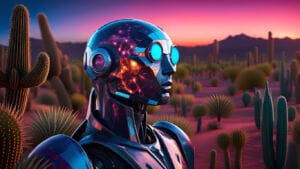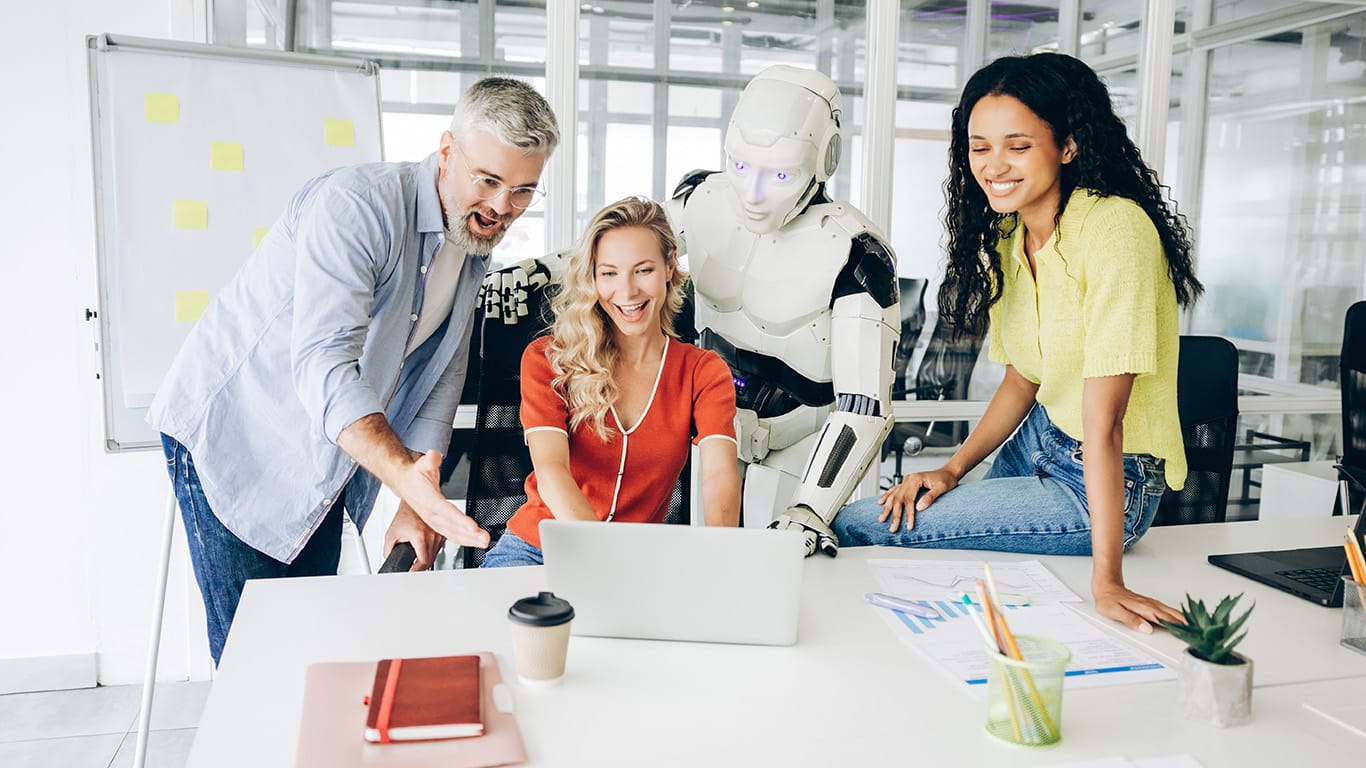
The entertainment industry is experiencing a major technological transformation as artificial intelligence introduces new ways to develop stories, produce visual effects, and create digital experiences. Filmmakers, animators, game developers, and independent creators are increasingly exploring AI-powered technologies to improve production workflows and experiment with innovative ideas.
Producing professional visual content has traditionally required specialized equipment, large production teams, and extensive post-production work. Artificial intelligence is helping simplify certain stages of this process by introducing intelligent systems capable of generating visual assets, analyzing scenes, and supporting creative decisions.
As these technologies continue to advance, AI is becoming an important part of the conversation about the future of filmmaking and digital entertainment.
How AI Is Changing Traditional Film Production
Traditional filmmaking involves several stages, including script development, storyboarding, casting, filming, editing, and visual effects. Each stage requires coordination between different professionals and can involve significant production costs.
Artificial intelligence is creating opportunities to make certain activities more efficient.
For example, filmmakers can use AI-assisted tools to brainstorm story concepts, organize production materials, develop visual references, and experiment with different creative directions.
These technologies are particularly useful during pre-production, when creative teams need to evaluate different approaches before committing to expensive production decisions.
AI does not eliminate the need for directors, cinematographers, or editors. Instead, it provides additional tools that can support their creative work.
The Evolution of AI Video Generation
Video generation is one of the most exciting developments in generative artificial intelligence. Modern AI systems can transform written descriptions and visual references into moving scenes, giving creators new ways to explore storytelling.
Seedance 2.5 Flash represents the emerging generation of AI-powered video models. Technologies in this category are expanding the possibilities of prompt-based video creation and creative experimentation.
AI video generation can be useful in several filmmaking and entertainment workflows:
- Concept development: Create visual references for scenes before filming begins.
- Storyboarding: Explore different interpretations of a particular scene or sequence.
- Animation: Experiment with creative visual sequences and character concepts.
- Advertising: Develop promotional videos and creative campaign materials.
- Independent filmmaking: Explore video production without relying entirely on traditional filming resources.
These capabilities can help creators experiment with different visual ideas while reducing certain production barriers.
The final quality still depends on creative direction, model capabilities, and post-production refinement.
Understanding the Role of Depth Mapping in Animation
Realistic animation requires an understanding of how objects and characters interact within a three-dimensional environment.
Depth information helps computer systems estimate the relative distance between elements in a visual scene. This information can support image processing, 3D reconstruction, and certain animation workflows.
A depth map generator can create depth representations from images or other visual inputs. These maps help distinguish foreground elements from background areas based on estimated spatial distance.
Depth mapping has several applications in entertainment:
Visual effects: Depth information can support background separation and depth-aware editing.
Character animation: Spatial information can contribute to workflows involving digital characters and environments.
3D scene development: Estimated depth can help create representations of objects and environments.
Post-production: Editors can use depth-based information for certain selective effects and visual adjustments.
Virtual environments: Depth estimation can support computer vision systems used in immersive digital experiences.
These applications make depth mapping an important technology for professionals working with digital visuals.
How AI Is Supporting the Animation Industry
Animation has traditionally been a time-intensive process involving character design, modeling, rigging, movement, lighting, and rendering.
AI-powered technologies are creating new opportunities to support selected parts of these workflows.
Animators can use intelligent tools to explore character concepts, generate visual references, and experiment with different environments. Some systems can also assist with repetitive production tasks, allowing artists to focus more attention on movement, storytelling, and artistic direction.
Independent animation studios may particularly benefit from these developments because AI tools can help smaller teams explore projects that would otherwise require more production resources.
However, artistic judgment remains essential for ensuring that characters, movements, and visual styles remain consistent.
The Connection Between AI and Virtual Production
Virtual production combines digital environments with filmmaking techniques to create more flexible production experiences.
Instead of relying entirely on physical locations, production teams can use digital backgrounds and computer-generated environments.
Artificial intelligence can support this process by helping creators develop visual assets, experiment with environments, and improve certain image-processing workflows.
Depth information is also valuable in applications where digital and physical elements need to interact convincingly.
As computer vision and generative technologies improve, virtual production could become more accessible to independent filmmakers, advertising agencies, and smaller creative studios.
Benefits of AI for Independent Creators
Artificial intelligence is creating new opportunities for creators who do not have access to large production budgets.
Some important benefits include:
- Lower production barriers: Explore creative concepts without investing immediately in traditional production resources.
- Faster experimentation: Test different scenes, styles, and storytelling approaches.
- Creative flexibility: Develop visual references and digital assets for different projects.
- Workflow efficiency: Simplify selected repetitive production activities.
- Expanded opportunities: Explore animation, advertising, filmmaking, and digital entertainment.
These advantages make AI particularly interesting for independent filmmakers, content creators, and emerging animation studios.
Challenges of Using AI in Entertainment
Despite its potential, artificial intelligence still presents several challenges for the entertainment industry.
Generated videos may contain inconsistent characters, unnatural movements, or visual artifacts. Depth estimation systems can also struggle with complex backgrounds, transparent objects, and unusual lighting conditions.
Copyright, intellectual property, voice permissions, and the ethical use of training data are additional considerations.
Creative professionals should review AI-generated materials carefully and maintain appropriate human oversight throughout production.
The most effective approach is to use AI as a supporting technology while preserving the artistic direction and originality of the project.
What the Future Holds for AI Filmmaking
The relationship between artificial intelligence and entertainment will continue to evolve.
Future developments may improve character consistency, scene generation, spatial understanding, and the integration of AI-generated assets into professional editing environments.
These improvements could create new opportunities for independent filmmakers, animation studios, game developers, and digital production companies.
Rather than replacing traditional filmmaking, AI may introduce additional creative methods that allow professionals to explore ideas more efficiently and produce increasingly sophisticated digital experiences.
Conclusion
Artificial intelligence is changing the entertainment industry by introducing new approaches to video production, animation, and visual effects. Seedance 2.5 Flash represents the growing possibilities of generative video technology, while a depth map generator can support spatial understanding and advanced image-processing workflows.
As these innovations continue to develop, filmmakers and digital creators will have more opportunities to experiment with storytelling and visual production. Combining AI technology with human imagination and professional expertise will be essential to shaping the future of entertainment.